
Sky: appearance, causes of color, visible features, and planetary differences
The sky is the atmosphere seen from the ground; its colors and contents vary with scattering, particles, and light. This article explains why the sky looks as it does and what we can observe in it.
Overview
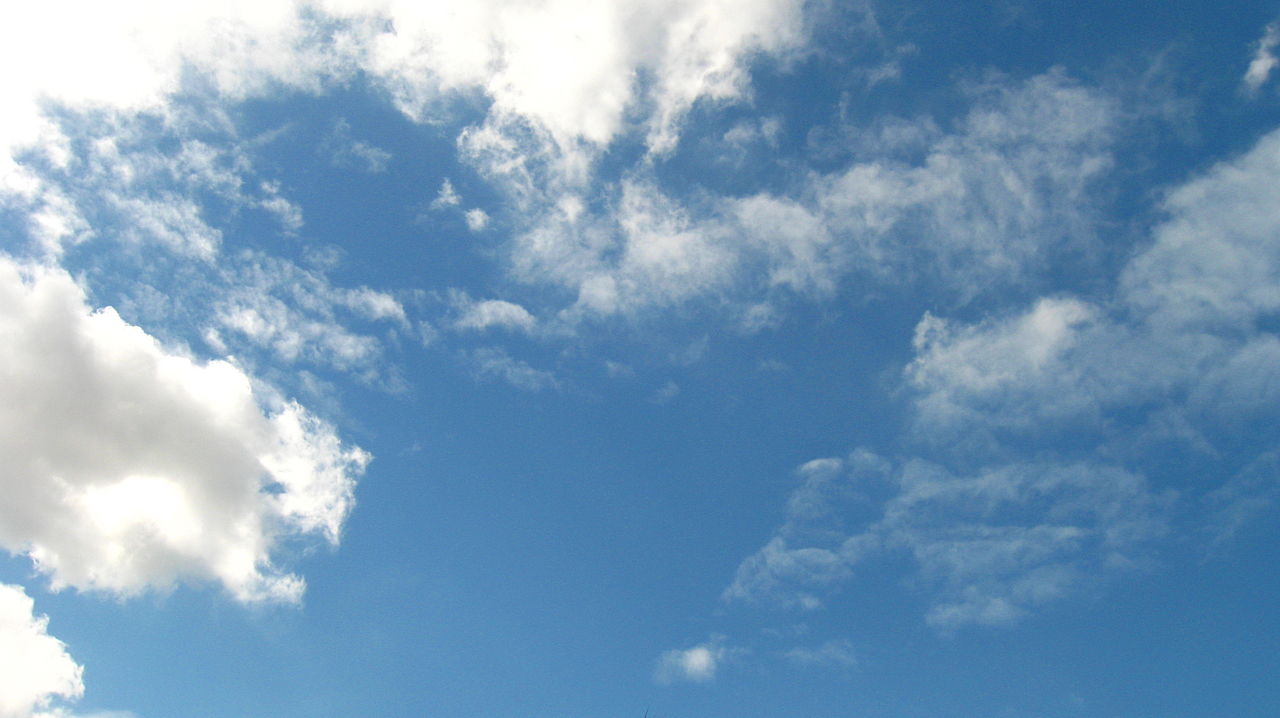
The word "sky" refers to the appearance of the atmosphere when viewed from the surface of a planet. From Earth this visual envelope contains the Sun and Moon, stars and planets, clouds, and moving objects such as birds and aircraft. Its appearance changes with the time of day, weather, and viewpoint: on a clear midday the sky most often looks blue, while toward the horizon the color can appear paler. The sky is shaped by the gases and particles that make up the air; collectively these are often described as air molecules and aerosols.
Image gallery
10 Images




Why the sky has color
The dominant reason for the sky’s color is the scattering of sunlight by small particles and molecules. Shorter wavelengths of light are scattered more effectively than longer ones. This process, known in its idealized form as Rayleigh scattering, favors the shorter blue and violet wavelengths. Because human vision is less sensitive to violet and because some violet is absorbed higher in the atmosphere, the result is a sky that appears primarily blue to most observers.
Variation with time, weather and angle
When the Sun is low on the horizon, sunlight traverses a longer path through the atmosphere and much of the blue light is removed by scattering. At dawn and dusk the remaining direct sunlight is richer in reds and oranges. Particles larger than gas molecules (dust, water droplets, smoke) cause different scattering behavior (often called Mie scattering) and can produce pale white, gray, or even greenish tints under particular conditions. Volcanic ash, pollution, and large dust events change sky tones over wide regions.
Common features seen in the sky
Many distinct objects and phenomena are routinely observed above us; weather and celestial items are both part of the skylines people watch and study. Typical elements include:
- Sun and Moon — the principal daylight and nocturnal light sources.
- Stars and planets — visible at night or during twilight.
- Clouds — collections of water droplets or ice crystals that affect light and weather.
- Rain, lightning, and other precipitation phenomena.
- Fog and mist, which are low-lying clouds that reduce visibility.
- Birds and other flying animals, and human-made vehicles such as aircraft.
Skies of other worlds and notable facts
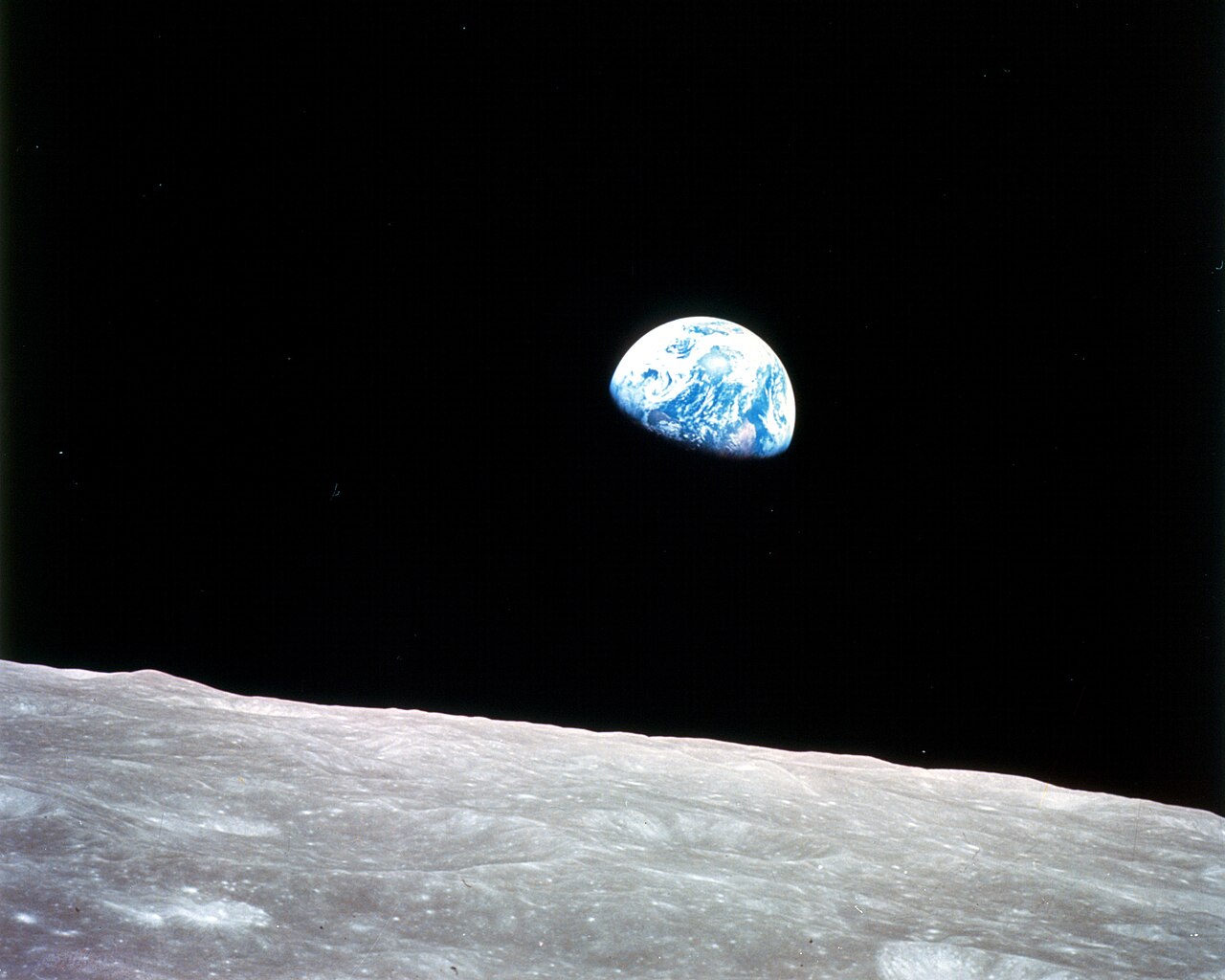
Planetary atmospheres produce different sky colors because of their distinct compositions and suspended particles. For example, the dusty, carbon dioxide-dominated atmosphere of Mars gives its daytime sky a reddish or butterscotch tint, and seasonal dust storms change how much sunlight is scattered. Titan, Venus and other bodies show their own characteristic hues. Close to the poles, charged-particle interactions create auroras that paint the sky with shifting greens, pinks, and purples. At night, the sky becomes very dark except where artificial lighting or natural phenomena such as the Milky Way and airglow are visible.
The study of the sky spans meteorology, atmospheric physics, and astronomy. Observing its colors and motions helps with short-term weather forecasting, long-term climate study, and navigation. The sky also has deep cultural significance: it inspires art, language, and science across civilizations.
Related articles
Author
AlegsaOnline.com Sky: appearance, causes of color, visible features, and planetary differences Leandro Alegsa
URL: https://en.alegsaonline.com/art/90991