
Horizon (boundary between earth and sky)
The horizon is the apparent line separating the ground or sea from the sky. This article explains its types, geometry, history, uses in navigation and surveying, and related optical phenomena.
The horizon is the apparent boundary where the earth or sea meets the sky. The word derives from the Greek orizein, meaning "to limit." In everyday language it usually refers to the visible line seen from an observer's vantage point, but several technical meanings exist in navigation, surveying and astronomy.
Image gallery
10 Images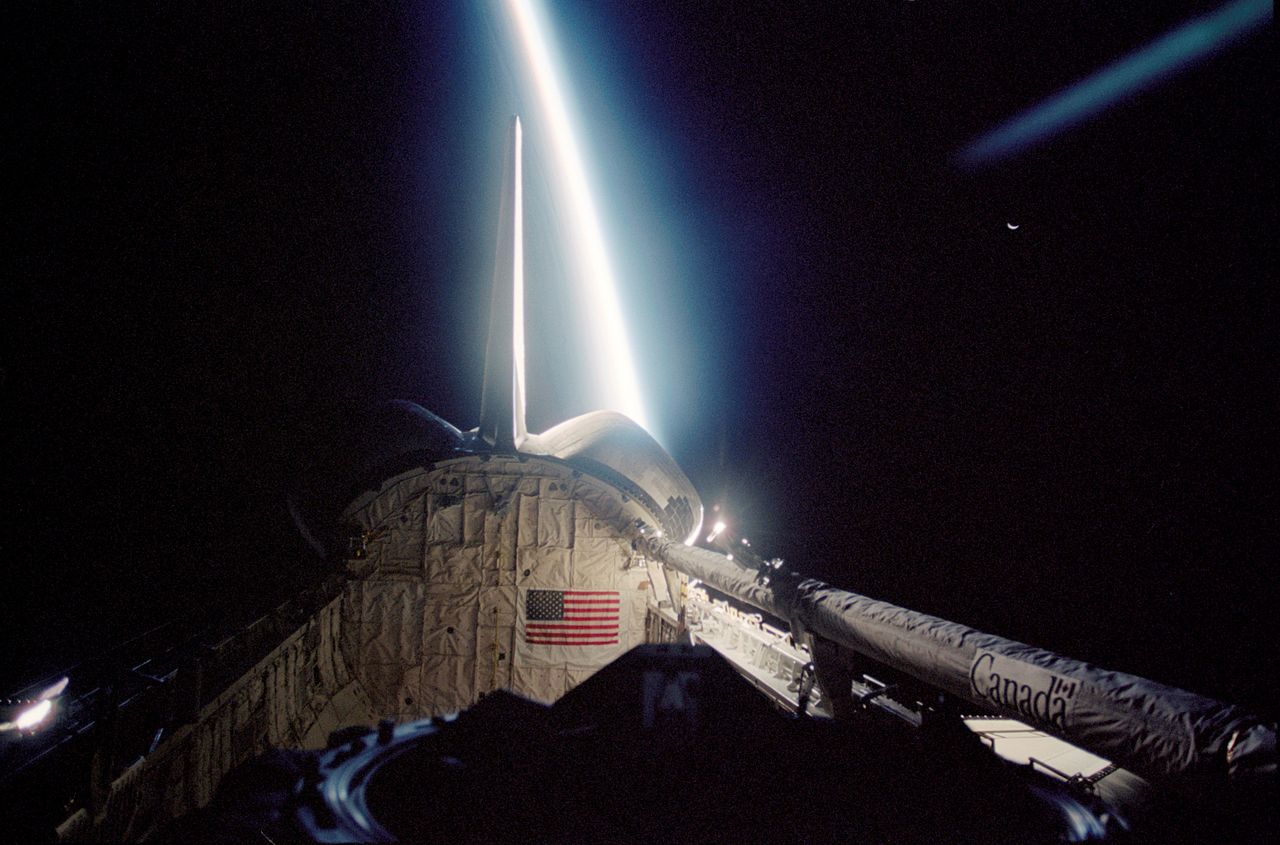






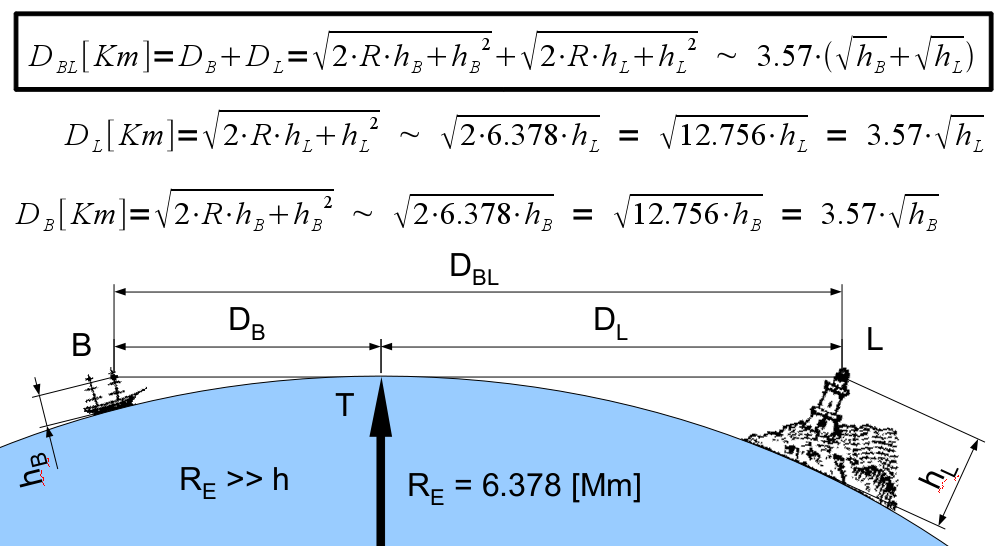


Geometry and appearance
How the horizon looks depends on the observer's height and local topography. From a low shoreline the line is close; from a mountaintop it stretches farther. The geometric horizon is the theoretical boundary determined by Earth's curvature and the observer's elevation, while the visible horizon can be nearer or hidden entirely by obstacles such as buildings, trees or terrain.
Types and related terms
- Visible horizon: the actual line you see, which may be interrupted by objects.
- Geometric or true horizon: the ideal line between earth and sky on a smooth Earth, used in calculations.
- Astronomical horizon: a reference plane used in celestial observations, often defined by a plane perpendicular to local gravity.
Surveyors, mariners and aviators distinguish these definitions when making measurements, plotting courses or aligning instruments. Instruments and charts commonly correct for the observer's height and for atmospheric refraction, which bends light and alters the apparent horizon.
History and cultural notes
Ancient sailors and land surveyors relied on the horizon for orientation long before precise instruments existed. The idea of a limiting line influenced navigation, mapmaking and artistic composition. In literature and art the horizon often symbolizes limits, distance or the meeting of realms.
Uses and phenomena
Practical uses include determining distance to objects, setting sightlines in construction, and establishing reference planes in astronomy. Optical effects related to the horizon include mirages, looming and the so-called "green flash" at sunset, all arising from atmospheric refraction and scattering. Because the horizon shifts with viewpoint and conditions, distinguishing the true geometric horizon from the observed line is important in precise work.
Understanding the horizon combines simple visual experience with geometry, atmospheric science and human culture. For more technical treatments see sources on navigation and celestial observation, which explain how the horizon is defined and corrected for in professional practice.
Related articles
Author
AlegsaOnline.com Horizon (boundary between earth and sky) Leandro Alegsa
URL: https://en.alegsaonline.com/art/45109