
Artillery shell: design, types, history and uses
An artillery shell is a hollow projectile fired by guns, tanks, or ships that carries explosives or other payloads; design, fuzes and launch platforms determine its effects and employment.
Overview
A shell is a type of projectile designed to carry a payload — most commonly an explosive charge — from a barrel to a target. Unlike solid shot, shells are hollow and contain filler such as high-explosive, incendiary material, smoke, illumination elements or submunitions. Their bodies are engineered to survive firing, achieve the required ballistic performance and produce the intended effect when the filler is released or detonated.
Image gallery
10 Images
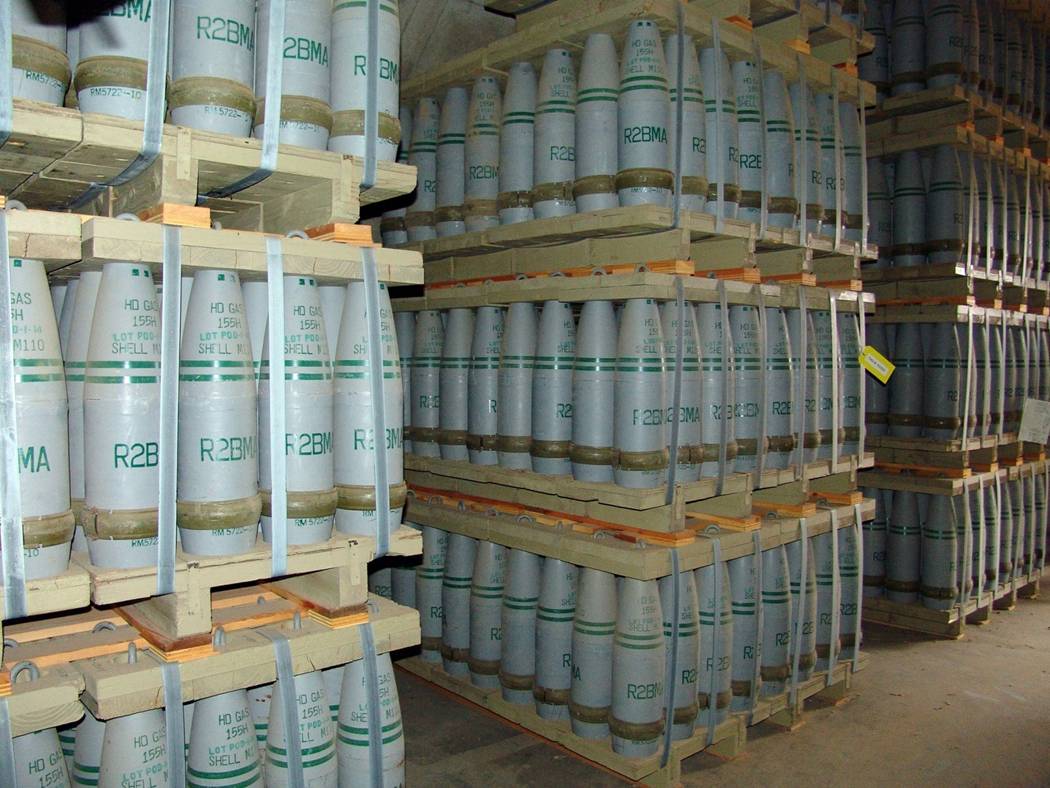


Design and main parts
Typical shells consist of a metal casing, a driving band or obturator to engage barrel rifling, a filler or warhead and a fuze or burster mechanism. Casings may be rolled, forged or cast and are shaped for aerodynamics; many are broadly cylindrical with a tapered ogive to reduce drag. Some designs include ballistic caps, studs or boat tails to improve range and accuracy. The driving band helps seal propellant gases and transmits spin from rifled barrels.
Common types and roles
Shells are classified by purpose and construction. Common categories include high-explosive (HE) for blast and fragmentation, armor-piercing (AP) for defeating armored targets, shaped-charge types such as HEAT, kinetic energy long-rod penetrators (used by some tank rounds), smoke, illumination and canister or anti-personnel rounds. Anti-tank weapons and anti-tank guns historically used thick-walled projectiles with reduced filler to maximize penetration rather than blast.
Fuzes, timing and effects
Fuzes control when and how the shell's filling is initiated or dispersed. Common fuze functions include impact (contact), delay (allowing penetration before detonation), timed airburst and proximity sensing for airburst effects. Modern fuze technology can be programmable to set burst height or detonation mode before firing, increasing effectiveness against exposed personnel, light fortifications or aircraft.
Launch platforms and ballistics
Shells are fired from a wide range of guns and barrels: towed and self-propelled artillery, tank guns and other armored-vehicle guns (including tanks), naval gun mounts on warships, and some large-caliber mortars. The propellant charge accelerates the shell through the barrel of a gun, and internal and external ballistics determine range, trajectory and terminal effects.
History and development
Early artillery used solid shot; hollow shells filled with powder or explosives developed over the 17th to 19th centuries as metallurgy and fuzing improved. The introduction of rifling, driving bands, better propellants and more reliable fuzes in the 19th and 20th centuries greatly increased accuracy and lethality. During major conflicts, innovations such as proximity fuzes and specialized warheads changed tactical employment of shells.
Handling, safety and legal context
Shells with live fuzes and explosive filler are hazardous: storage, transport and disposal are regulated and require trained personnel and specialized procedures. Unexploded shells recovered from conflict areas present significant risks and are handled by explosive ordnance disposal teams. Legal and ethical frameworks govern the use of certain types of munitions; classifications and restrictions vary by jurisdiction and international agreements.
Modern trends
Recent developments include rocket-assisted projectiles to extend range, improved propellants and metallurgy for greater performance, and precision-guided munitions that add guidance kits or integrated seekers to conventional shells. Research continues on improved terminal effects, insensitive munitions that reduce accidental detonation, and materials that balance strength with manufacturability.
Distinctions and further reading
Shells differ from bombs mainly by their method of delivery: bombs are dropped or placed, while shells are fired. For historical, technical and safety information consult ordnance references, museum collections and authoritative technical manuals; topics of interest include bomb design comparisons, incendiary compositions, the broader category of projectiles, detailed studies of casing shapes, gun design resources (gun manuals), and specialized material on armored vehicles, naval guns, and anti-armor ammunition.
For technical diagrams and manufacturer specifications consult dedicated military-technical archives and safety publications; basic educational treatments are available from public-history exhibits and ordnance safety guides. Further reading and multimedia resources can be found through curated collections and specialist technical libraries (artillery, fuze technologies and munitions safety references).
Related articles
Author
AlegsaOnline.com Artillery shell: design, types, history and uses Leandro Alegsa
URL: https://en.alegsaonline.com/art/89633