
Anti-tank gun: direct-fire artillery for engaging armored vehicles
A direct-fire artillery piece designed to defeat tanks and armored vehicles. Commonly medium- to small-caliber, widely used in World War II and later superseded by portable anti-tank weapons and guided missiles.
An anti-tank gun is a direct-fire weapon designed to penetrate the armor of tanks and other armored fighting vehicles. These guns are a form of light field artillery intended to engage enemy armor at range, using high muzzle velocity and specialized ammunition to defeat protective plating. They were a central component of anti-armor tactics in the mid-20th century.
Image gallery
5 Images

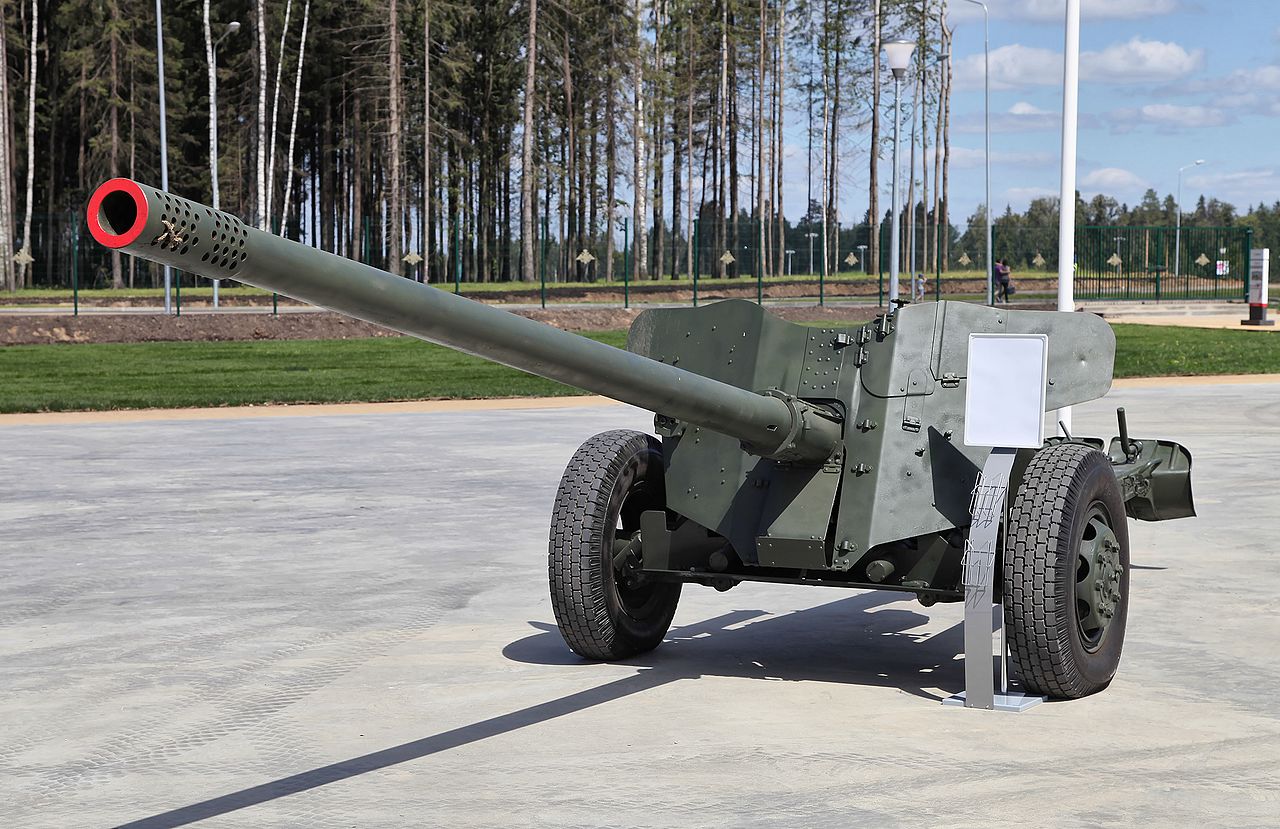

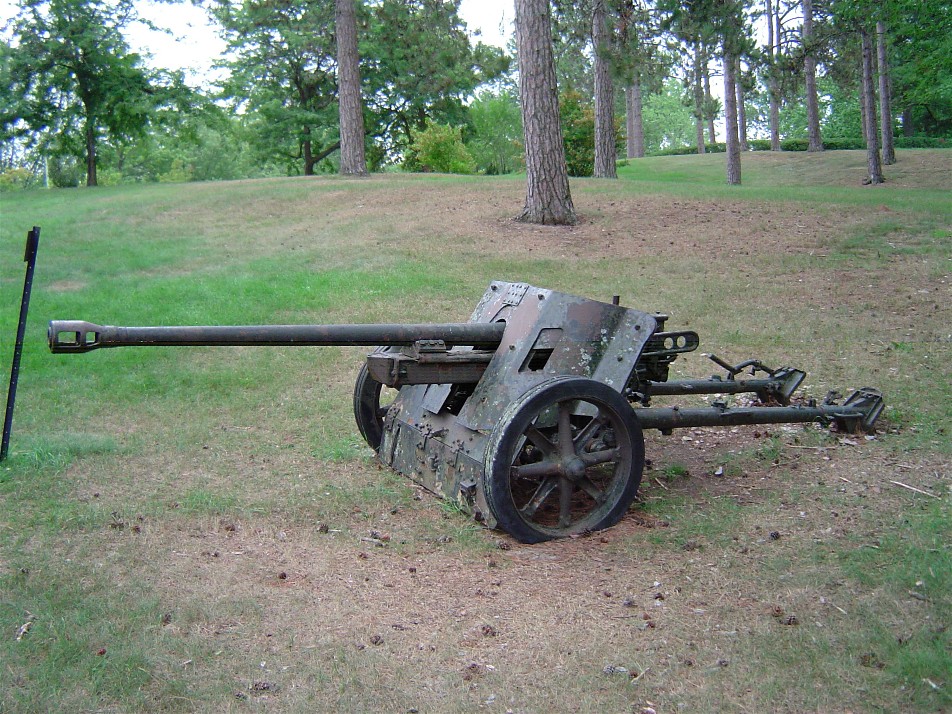
Characteristics and design
Typical anti-tank guns are built for accuracy, velocity and mobility rather than sustained indirect fire. Calibers historically varied, with many examples falling in the range of about 25 to 90 mm. Key features include a relatively long, rifled barrel to increase projectile speed, a low-profile carriage or mount for concealment, and sights optimized for direct aiming. Some were towed by trucks, while others were mounted on light carriages or on self-propelled mounts.
Ammunition types and effects
The effectiveness of an anti-tank gun depends as much on its ammunition as on bore size. Armor-piercing (AP) rounds, including full metal jacket and armor-piercing capped types, concentrate kinetic energy to punch through plates. Later developments introduced sub-caliber penetrators and shaped-charge warheads to defeat thicker or sloped armor. High-explosive shells could be used against soft-skinned targets or fortifications.
History and development
Anti-tank guns emerged in the interwar period as a response to the appearance of armored vehicles and were rapidly developed before and during World War II. During that conflict they were manufactured in large numbers, fielded by infantry units and integrated into armored formations, and became a primary means for ground forces to counter enemy tanks. Their role shifted as technology evolved and battlefield needs changed.
Employment, tactics and interaction with tanks
Crews employed concealment, prepared ambush positions, and coordinated fields of fire to maximize the chance of penetrating enemy armor at optimal ranges. Anti-tank guns often protected key approaches and were deployed in depth to channel and halt armored thrusts. They were one element among minefields, obstacles and anti-tank infantry weapons used to slow or stop tank advances. See more on armored warfare and targets like tanks.
Decline, legacy and modern alternatives
After World War II the traditional towed anti-tank gun became less common. Portability and lethality were improved by recoilless rifles, rocket-propelled grenades and, later, man-portable guided anti-tank missiles, which offered greater penetration and flexibility from infantry teams. Many historic anti-tank guns remain in museums and are studied for their influence on armor-versus-anti-armor design. For technical classification and related artillery concepts, consult light artillery resources; for ammunition detail see ammunition types, and for the period of greatest use consult accounts of World War II.
- Typical calibers: 25–90 mm
- Main roles: anti-armor direct fire, defensive emplacements
- Modern replacements: guided missiles, recoilless rifles, portable rockets
Questions and answers
Q: What is an anti-tank gun?
A: An anti-tank gun is a light artillery gun used to destroy tanks.
Q: What caliber shells do anti-tank guns fire?
A: The shells they fire are usually between 25 and 90 mm caliber (1 to 3.6 inches).
Q: When were anti-tank guns mostly used?
A: They were used a lot in World War II.
Q: Why were anti-tank guns used less in later wars?
A: Later wars used them less, because smaller anti-tank weapons had been invented.
Q: What is the purpose of an anti-tank gun?
A: The purpose of an anti-tank gun is to destroy tanks.
Q: What size shells does an anti-tank gun typically fire?
A: Typically, an anti-tank gun would fire shells that range from 25 to 90 mm caliber.
Q: Why were smaller anti-tank weapons invented?
A: Smaller anti-tank weapons were invented to replace anti-tank guns in later wars.
Related articles
Author
AlegsaOnline.com Anti-tank gun: direct-fire artillery for engaging armored vehicles Leandro Alegsa
URL: https://en.alegsaonline.com/art/4620