
Shock Tactics in Warfare: History, Methods, and Strategic Impact
Explores shock tactics in warfare—history, methods, and strategic effects—examining speed, surprise, psychological impact, notable examples, benefits, risks, and their evolution in modern combat
Shock tactics are military methods intended to break an opponent’s will to fight by creating sudden fear, confusion, or disorder among their forces. They rely on speed, surprise, concentration of force, or displays of overwhelming power to cause an enemy to rout or surrender rather than defeating them only by attrition. As a class of military tactics, they have appeared in many forms across history.
Image gallery
5 Images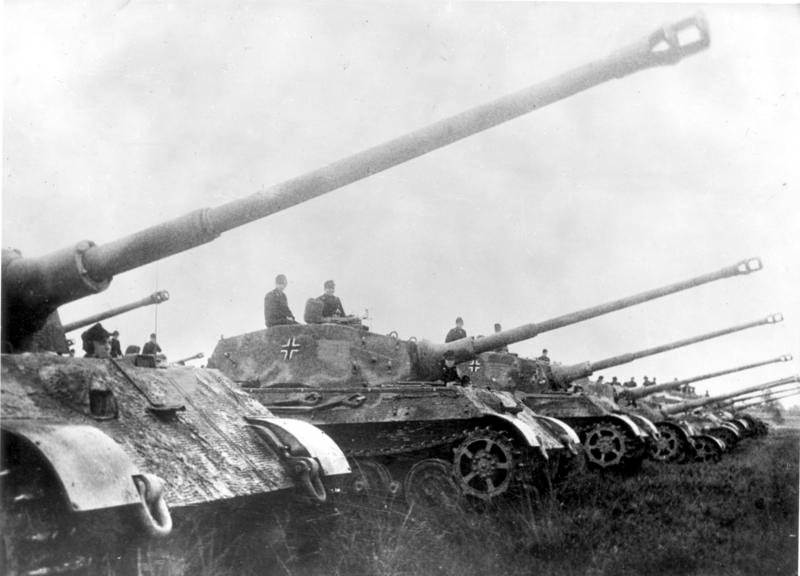


How shock tactics work
Common elements include rapid movement, coordinated massed attacks, unexpected maneuvers, and psychological intimidation. Practitioners aim to shatter command and control, induce panic, and exploit the resulting gaps. Tactics that accomplish this can be as simple as a direct heavy charge or as elaborate as feigned retreats and ambushes designed to induce a collapse in morale.
Historical examples
- Nomadic cavalry forces, notably the Mongols, combined exceptional mobility with aggressive strikes and terror tactics to build a formidable reputation for overwhelming opponents.
- In the medieval period, heavily armored knights on powerful warhorses employed the shock of a mounted charge to crash into formations of foot soldiers and break lines through impact and momentum.
- American Civil War commanders such as Robert E. Lee emphasized the value of attacks that produced panic and disorganization in enemy ranks, sometimes valuing the rout as much as the casualties inflicted.
Benefits and costs
When successful, shock operations can produce rapid, decisive results while avoiding prolonged combat. They can force an enemy to abandon strong positions, collapse field cohesion, or surrender with relatively low expenditure of time and resources. However, mounting a frontal shock attack often exposes attackers to concentrated defensive fire and other risks; the assailant can incur heavy casualties if the opponent holds or counters effectively.
Modern context and cautionary examples
The industrialized battlefields of the 20th century showed the limits of traditional shock assaults. In World War I, attempts to break entrenched lines by massed frontal attacks frequently failed, producing enormous losses. For example, Germany suffered costly setbacks when commanders employed shock-style offensives without sufficient support from artillery, technology, or maneuver options.
Over time, military thinkers adapted the concept: instead of relying solely on single dramatic charges, they integrated speed, firepower, and combined arms to achieve shock effects while attempting to reduce unnecessary losses. Nonetheless, the central idea—using force and surprise to overwhelm an opponent’s will to fight—remains a defining aspect of shock tactics in both historical and contemporary analyses.
Questions and answers
Q: What are shock tactics?
A: Shock tactics are military tactics designed to overwhelm an enemy with fear, causing panic and confusion.
Q: How long have shock tactics been used in warfare?
A: Shock tactics have been used in warfare for as long as it has existed.
Q: Who were the Mongols and how did they use shock tactics?
A: The Mongols were a nomadic people from Central Asia who got their reputation for being invincible by using shock tactics. They would make coordinated attacks on enemy soldiers mounted on warhorses.
Q: What was Robert E. Lee's opinion of the advantage of a shock attack?
A: Robert E. Lee saw the advantage of a shock attack as not so much killing enemy soldiers, but to "create a panic and virtually destroy the [enemy] army."
Q: What is one disadvantage of using a shock attack?
A: One disadvantage of using a shock attack is that the attacker may suffer heavy casualties.
Q: Can you provide an example where this happened during World War I?
A: During World War I, Germany suffered great losses when they used the shock attack tactic.
Related articles
Author
AlegsaOnline.com Shock Tactics in Warfare: History, Methods, and Strategic Impact Leandro Alegsa
URL: https://en.alegsaonline.com/art/89932
Sources
- deremilitari.org : "The Myths of Medieval Warfare"
- armchairgeneral.com : "Shock Tactics on the Ancient Battlefield"
- penelope.uchicago.edu : "The Scythed Chariot"
- militaryfactory.com : "Companion Cavalry Elite Cavalry Force"
- ushmm.org : "Blitzkrieg (Lightning War)"
- theguardian.com : "Germany's last second world war offensive"
- shsu.edu : "The Siege and Relief of Bastogne During the Battle of the Bulge"