
Shotgun shell: design, types, measurements, and uses
A shotgun shell is a firearm cartridge designed for shotguns. This article explains components, gauges and lengths, common load types (shot, buckshot, slugs), materials, uses, and safety considerations.
Overview
A shotgun shell is the standard cartridge used in a shotgun. It is a self-contained unit that holds the primer, propellant and projectile(s) so it can be loaded into the shotgun chamber or magazine and fired. Shells are typically cylindrical and come in a range of lengths and capacities to suit different guns and purposes. They are a subset of ammunition designed specifically for smoothbore barrels and for delivering multiple small projectiles (shot) or a single large projectile (slug).
Image gallery
10 Images




Main components
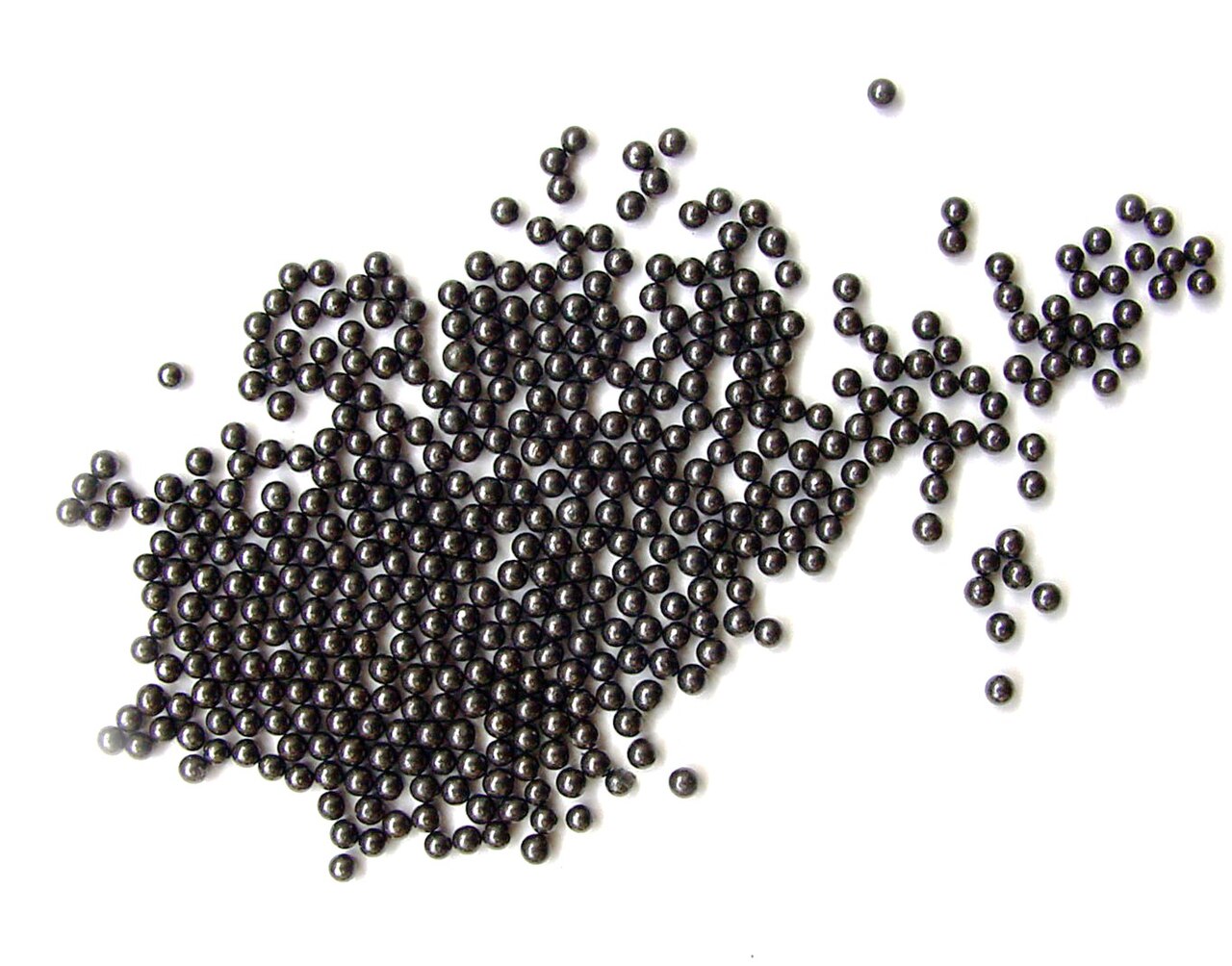
A modern shotgun shell usually consists of several distinct parts. Typical construction includes a base that contains the primer, a hull or casing, the propellant charge (gunpowder), a wad or internal pressure/seal device, and the shot charge or slug. The base is often made of metal and supports the primer; older shells and some specialty rounds may use alternative materials.
- Base and primer: Provides ignition when struck by the firing pin.
- Hull/casing: The body that holds everything together; commonly plastic with a metal head but also available in brass or paper in older styles.
- Propellant: The powder charge that drives the shot or slug.
- Wad: Separates powder from shot and helps seal gas behind the load.
- Payload: Can be pellets (shot), a single slug, or specialty projectiles.
Gauges, lengths and measurements
Shotgun size is expressed in gauge rather than caliber for most common types. The best-known size is 12-gauge, with 20-gauge also widely used, and the .410 which is usually referred to by caliber rather than gauge. Gauge is a historical measure based on how many lead spheres of that bore add up to one pound: a smaller gauge number indicates a larger bore. Shell length is another important dimension and is measured before firing; common factory lengths include 2.75 inches and 3.5 inches, with some intermediate sizes used for specific applications.
Types of loads and uses
Shotgun shells are loaded for different roles. The most common categories are:
- Birdshot: Many small pellets designed for flying game and clays.
- Buckshot: Larger pellets for deer-sized game and personal defense.
- Slugs: Single large projectiles intended for longer-range accuracy and heavier targets.
- Less-lethal: Rounds loaded with rubber or plastic pellets, beanbags or other projectiles used by law enforcement; specialty rounds may even use non-traditional fills such as salt.
Hunting, sport shooting (like skeet or trap), law enforcement, and some military contexts use different shell types tailored to required performance. Shot size, pellet count, propellant load and wad design all affect range, pattern and terminal effects.
Materials, manufacture and variations
Modern shells are most often made with a plastic hull and a thin metal head for strength and sealing, though solid brass or paper hulls exist. Manufacturers vary powder types, primers and wads to tune pressure curves and patterns. Environmental and regulatory concerns have led to non-lead alternatives such as steel, bismuth or tungsten-based shot in many hunting areas.
Safety and legal notes
Like all ammunition, shotgun shells must be used only in firearms rated for their gauge and chamber length. Firing incorrect or damaged shells can be dangerous. Many jurisdictions regulate certain types of loads—particularly expanding slugs, high-capacity magazines, or less-lethal rounds—so users should ensure compliance with local laws. For more technical specifications and legal guidance, consult manufacturer documentation and local authorities.
For further reading on related topics, see chamber, gunpowder, plastic hull construction, brass heads, and examples of specialty fills such as salt.
Related articles
Author
AlegsaOnline.com Shotgun shell: design, types, measurements, and uses Leandro Alegsa
URL: https://en.alegsaonline.com/art/90022
Sources
- chuckhawks.com : "What Chamber Length for Your Shotgun?"
- nssfblog.com : "Shotgun Shells Explained—The New Shooter's Dictionary"