
Fuze (munitions ignition device)
A fuze is the built-in ignition or initiation mechanism for explosive munitions. It controls when and how a device detonates, ranging from simple time igniters to advanced electronic proximity systems.
A fuze is the component of a munition or explosive device that initiates detonation under designed conditions. Unlike a simple burning "fuse" used in fireworks or lamps, a military fuze often contains mechanical, pyrotechnic, or electronic subsystems to determine timing, arming and the precise mode of initiation. In some naval weapons, especially torpedoes, the fuze function is also called the "exploder" because it governs the moment of detonation relative to the target: see torpedoes.
Image gallery
10 Images


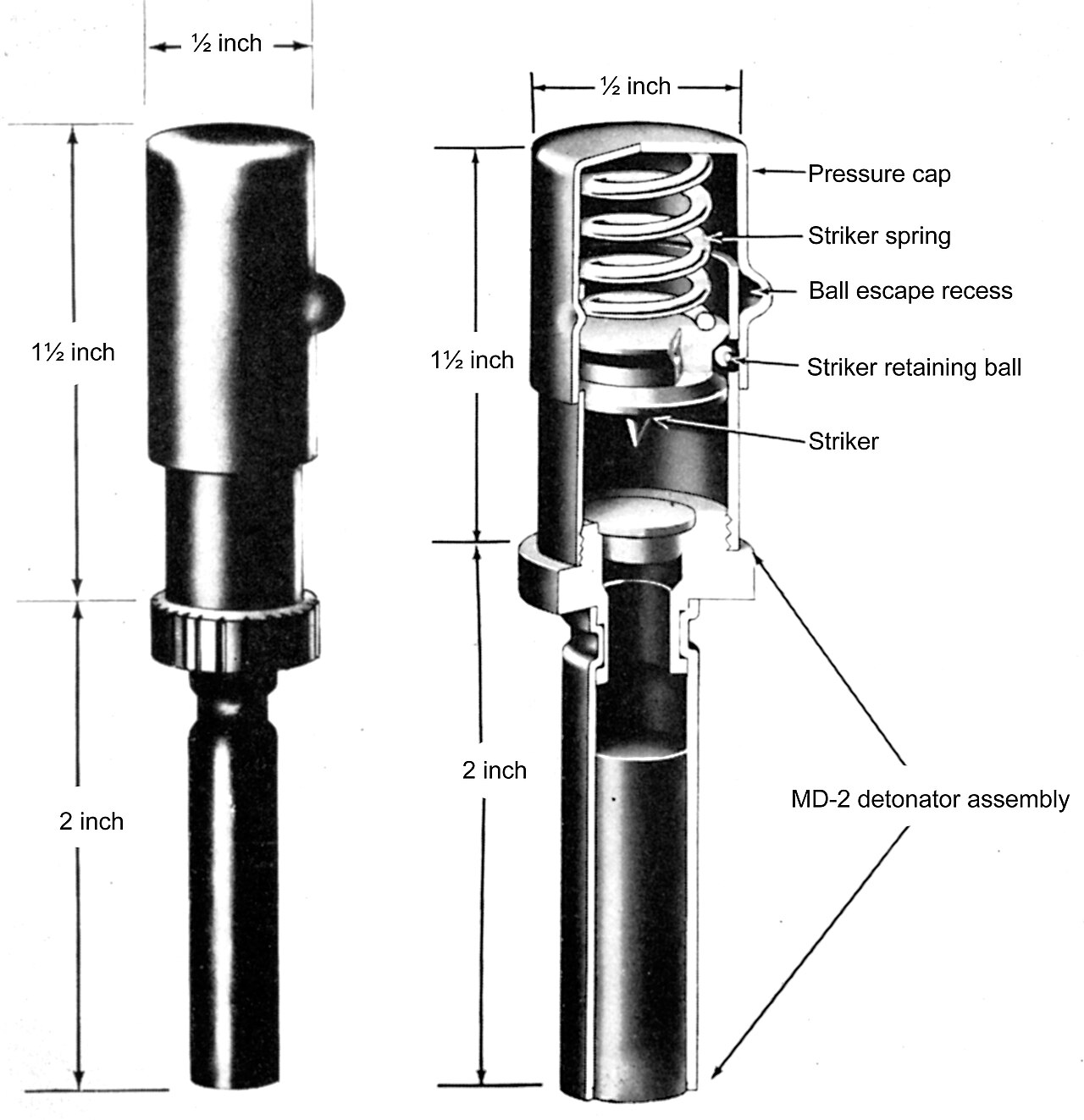

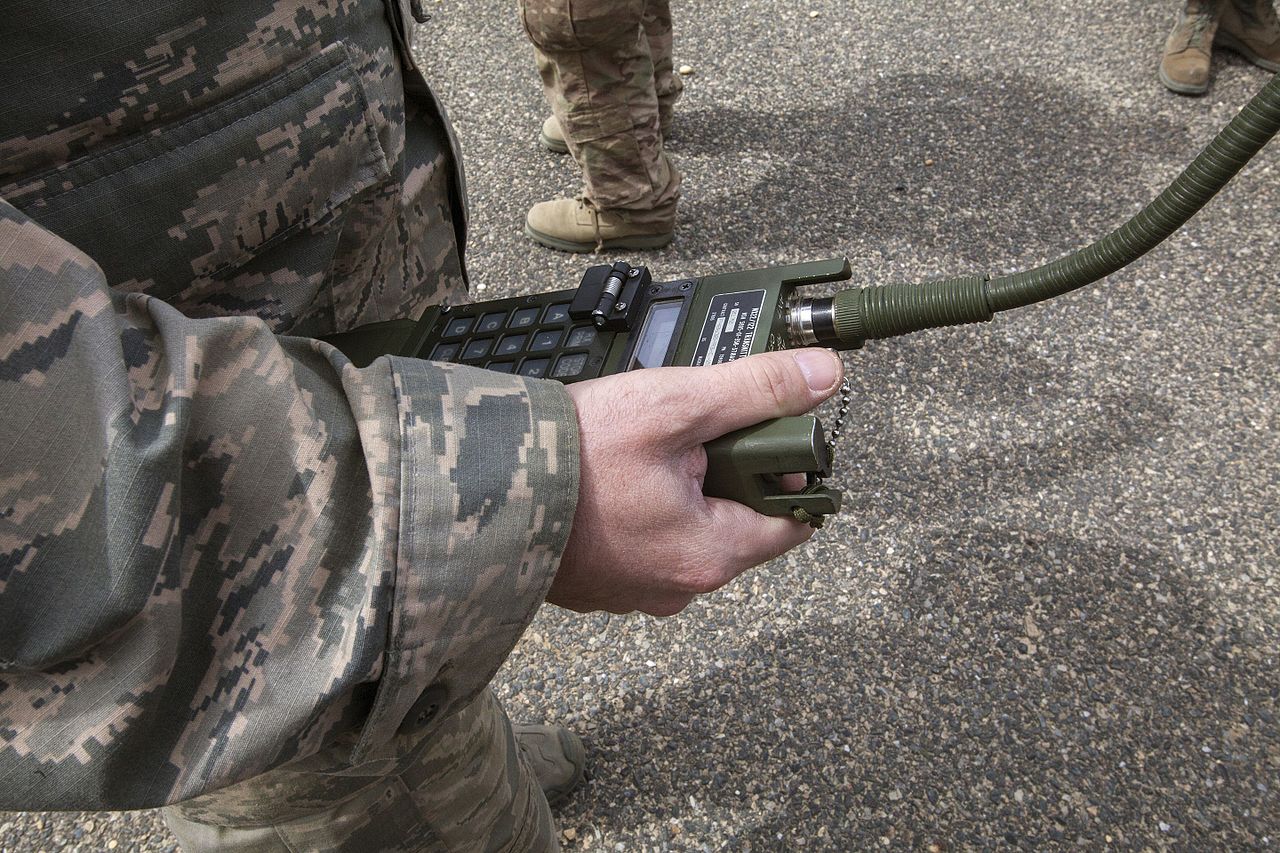


Types and key characteristics
Fuzes are classified by how they trigger and by what they sense. Common categories include time fuzes, which operate after a preset delay; impact or percussion fuzes, which function on contact; and proximity fuzes that detonate when the weapon is near a target. Modern designs mix mechanical elements with electronics to improve reliability and safety: for example, an electronic component can implement an arming delay or a selectable detonation mode — see general electronic guidance and control concepts.
- Time fuzes — set to burn or count down before initiating.
- Impact/percussion fuzes — triggered by sudden deceleration or direct contact.
- Proximity fuzes — use sensors to detect closeness to the target and fire at an optimal distance.
Proximity devices may rely on a range of sensing methods. Common sensor types include radar-based units, active or passive acoustic systems, magnetic detectors, infrared sensors and optical systems. These sensing approaches are frequently combined to reduce false triggers: for overview see proximity fuze and sensor technologies at sensors. Typical sensor examples include radar, active sonar and infrared detection; some specialized devices have used television imaging or camera feeds to inform firing logic.
History and development
The simplest form of initiation — a burning cord or match-like fuse — predates modern explosives. Over time, mechanical and then electrical methods replaced purely pyrotechnic ignition to increase precision and safety. The development of proximity fuze technology in the 20th century, notably refined during World War II, represented a major advance for anti-aircraft and naval weapons, markedly improving effectiveness against fast-moving or high-altitude targets. Subsequent decades saw miniaturization and integration with digital electronics, yielding programmable and multifunctional fuzes.
Uses, examples and importance
Fuzes are integral to artillery shells, aerial bombs, naval depth charges, land mines and many guided and unguided munitions. Choice of fuze affects intended effect: an airburst time or proximity fuze maximizes blast and fragment dispersion against exposed personnel, while an impact fuze may be used to penetrate before detonation. Designers balance lethality against safety: safe handling requires mechanical safeties, environmental interlocks and arming delays so the munition is not live until after launch.
Design considerations and notable distinctions
Key design concerns include sensitivity to accidental initiation, resistance to environmental stress, reliability after storage, and the ability to be rendered safe or disarmed. Many modern fuzes incorporate multiple safety features such as setback arming (only arming after acceleration), spin locks, and timed or sensor-based enabling windows. Linguistically, many English-language military manuals and technical texts use the spelling "fuze" with a "z" to distinguish these engineered devices from ordinary burning fuses or simple pyrotechnic fuses; see pyrotechnical distinctions.
While the basic purpose of a fuze is straightforward — to decide when and how an explosive is initiated — contemporary fuze technology occupies an important intersection of mechanical engineering, electronics, and sensor science. Its continued evolution affects accuracy, safety and the tactical options available to armed forces and ordnance engineers.
Related articles
Author
AlegsaOnline.com Fuze (munitions ignition device) Leandro Alegsa
URL: https://en.alegsaonline.com/art/37106