
Ship of the Line: warships of the age of sail and their evolution
A ship of the line was a large naval warship designed to fight in fleet formations from the 17th to the mid-19th century. This article explains design, tactics, development, and legacy.
Overview
A ship of the line was the dominant type of large naval combatant from the 1600s through the mid-1800s. Built to take a place in fleet formations that fought in a single line, these vessels emphasized broadside firepower, structural strength and the sailing qualities needed to hold position in battle. The term reflects their tactical role: ships formed a line and delivered volleys of cannon fire along the enemy’s flank.
Image gallery
10 Images



Design and principal parts
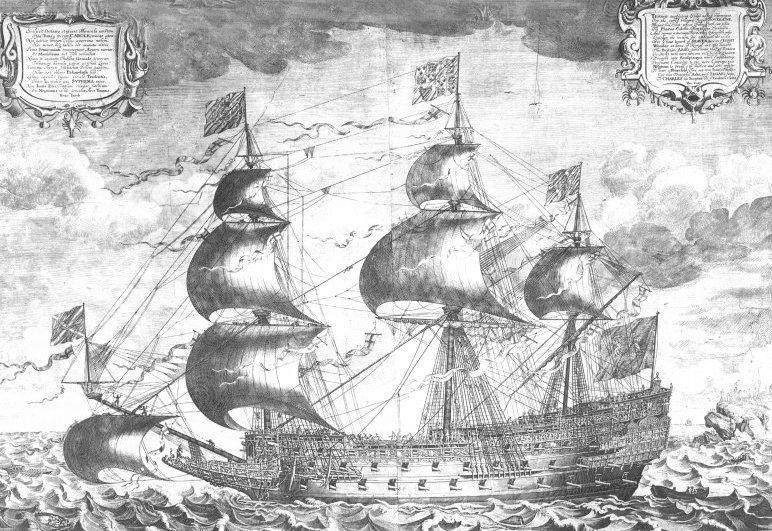
Ships of the line were substantial wooden warships with one or more continuous gun decks. Their characteristics included a pronounced hull, multiple decks for crew and guns, heavy masts and rigging to carry large sails, and a reinforced frame to absorb recoil and enemy shot. Armament was arranged to deliver a powerful broadside—simultaneous firing of all guns on one side. Crews were large to handle sails, guns and damage control.
- Hull and structure: thick wooden planking, timber framing, and ballast for stability.
- Gun decks and battery: rows of cannon ports along the hull for broadside fire.
- Masts and rigging: complex sail plans to power maneuvering and maintain line position.
- Command spaces: quarterdeck and captain’s cabin for navigation and orders.
Tactics and operational role
The defining tactic was the line of battle: warships sailed in formation so each could fire broadsides without obstructing allies. This method favored larger ships because greater size accommodated more or heavier guns and heavier construction, increasing survivability and hitting power. Ships of the line were used as fleet flagships, in blockades, convoy protection and decisive fleet engagements. For discussion of the general category, see warship.
Historical development and decline
From early examples in the 17th century, designs evolved to standardized classes and rating systems that grouped ships by size and armament. The Age of Sail peaked in the 18th and early 19th centuries when line-of-battle tactics dominated naval doctrine. Technological change in the mid-19th century—most notably the introduction of steam propulsion—produced hybrid steam-driven ships of the line that still retained wooden hulls. Advances in metallurgy and artillery soon led to armored ironclad warships, which rendered traditional ships of the line obsolete.
Weapons, examples and legacy
The primary armament consisted of muzzle-loading guns arrayed to deliver broadsides; see general notes on cannons. Famous surviving examples and museum references preserve the era’s appearance and tactics. Ships of the line influenced naval architecture, crew organization and the development of later capital ships. Though their design has been superseded by steam, armor and modern weapons, their tactical concepts and place in maritime history remain widely studied.
Related articles
Author
AlegsaOnline.com Ship of the Line: warships of the age of sail and their evolution Leandro Alegsa
URL: https://en.alegsaonline.com/art/89853