
Shogun: Japan’s military rulers and the bakufu system
An encyclopedic overview of the shogun: the military title, its institutional bakufu, the three major shogunates, their powers, decline in the 19th century and cultural legacy.
Overview
The term shogun (将軍) designated a high-ranking military commander in pre-modern Japan whose office gradually became the dominant political authority while the emperor remained a symbolic sovereign. The full formal title, Seii Taishogun, is conventionally rendered in English as a ‘‘great general’’ appointed to lead military campaigns. From the late Heian period through the Tokugawa era, the shogun and the government centered on his office shaped landholding, military obligation, legal administration, and many aspects of daily life in Japan. The final abolition of shogunal rule came with the restoration of imperial authority in the period often called Meiji.
Image gallery
10 Images



Origins and early development
Originally the court appointed temporary commanders to lead expeditions against insurgents or frontier groups. As provincial warriors consolidated local power and the court’s direct reach weakened, these military leaders built durable networks of vassalage and local administration. A conventional milestone is the bestowal of the title in 1192 on Minamoto no Yoritomo by Emperor Go-Shirakawa, an event that helped establish a military government with its own headquarters and administrative practices. The rise of the samurai class and of military households underpinned this change.
Office, powers and institutions
The shogun ruled through a military government called the bakufu (literally "tent government"), a term that reflects its martial origins. Although the shogun was formally a vassal of the emperor, in practice the bakufu exercised executive authority over military command, land distribution, taxation, court of law functions for military matters, and regulation of daimyo (regional lords). Over time the bakufu developed bureaucratic offices, registries, and legal procedures to manage personnel, adjudicate disputes, collect revenues, and mobilize forces, creating a parallel administrative system that coexisted with the imperial court and provincial institutions.
The three major shogunates
Japanese history conventionally recognizes three principal shogunal regimes, each with distinctive patterns of rule:
- Kamakura shogunate (1192–1333): Founded by Minamoto no Yoritomo, this was the first military government organized around warrior federations and a headquarters separate from the traditional court in Kyoto.
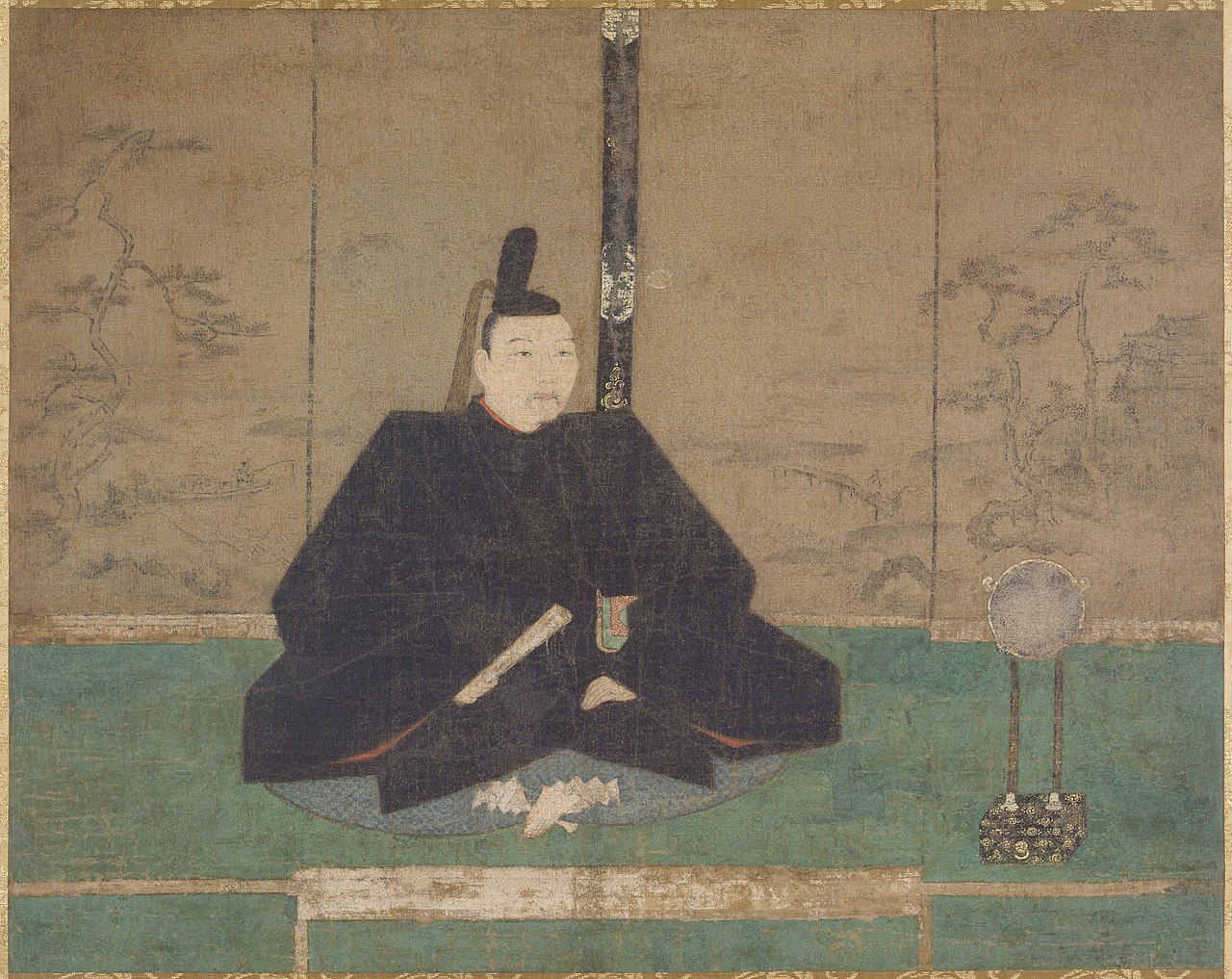
- Muromachi (Ashikaga) shogunate (1338–1573): Established by Ashikaga Takauji, this regime was based in Kyoto and blended military rule with aristocratic patronage of culture; it also experienced prolonged decentralization and internal conflict in later decades.
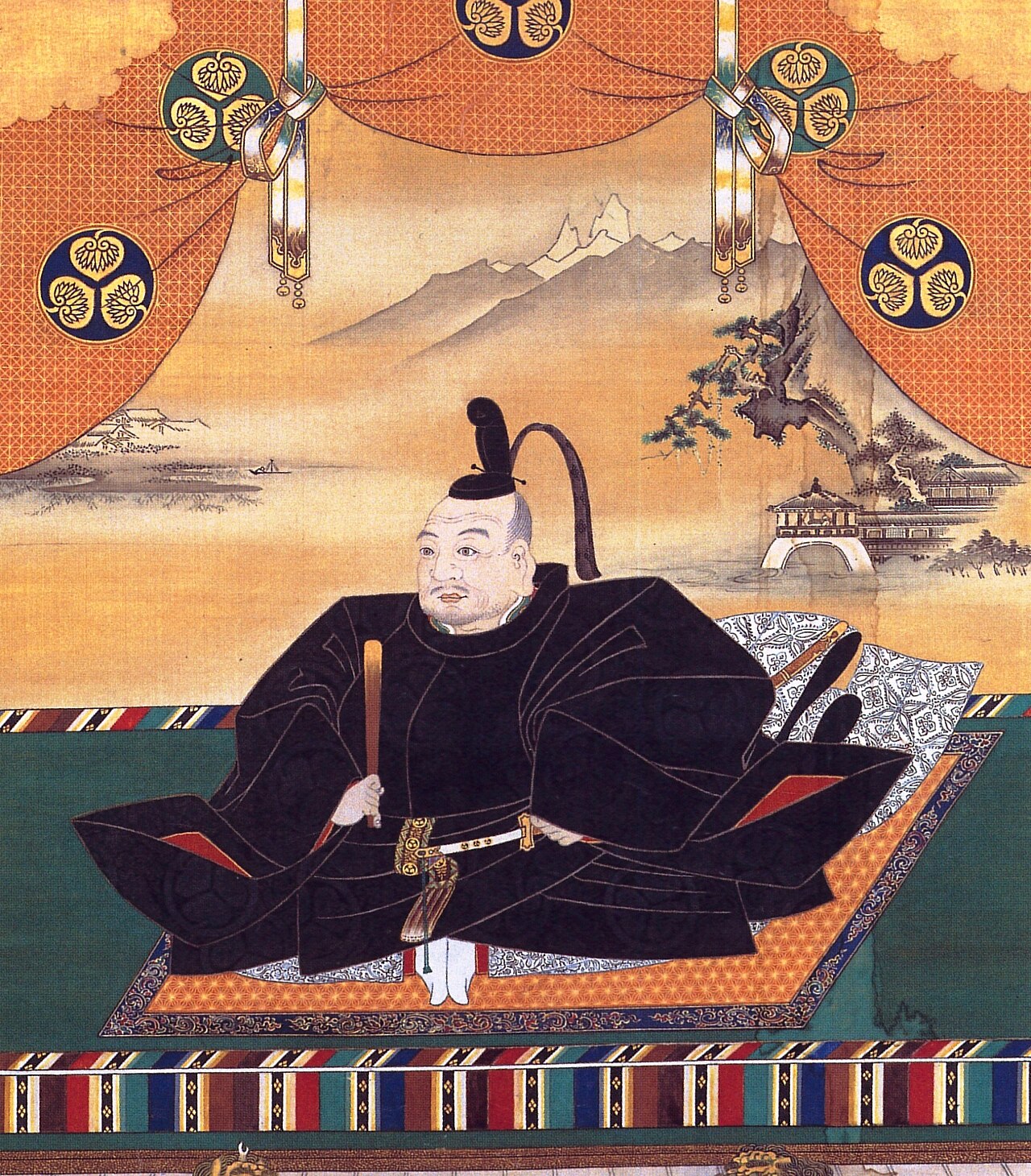
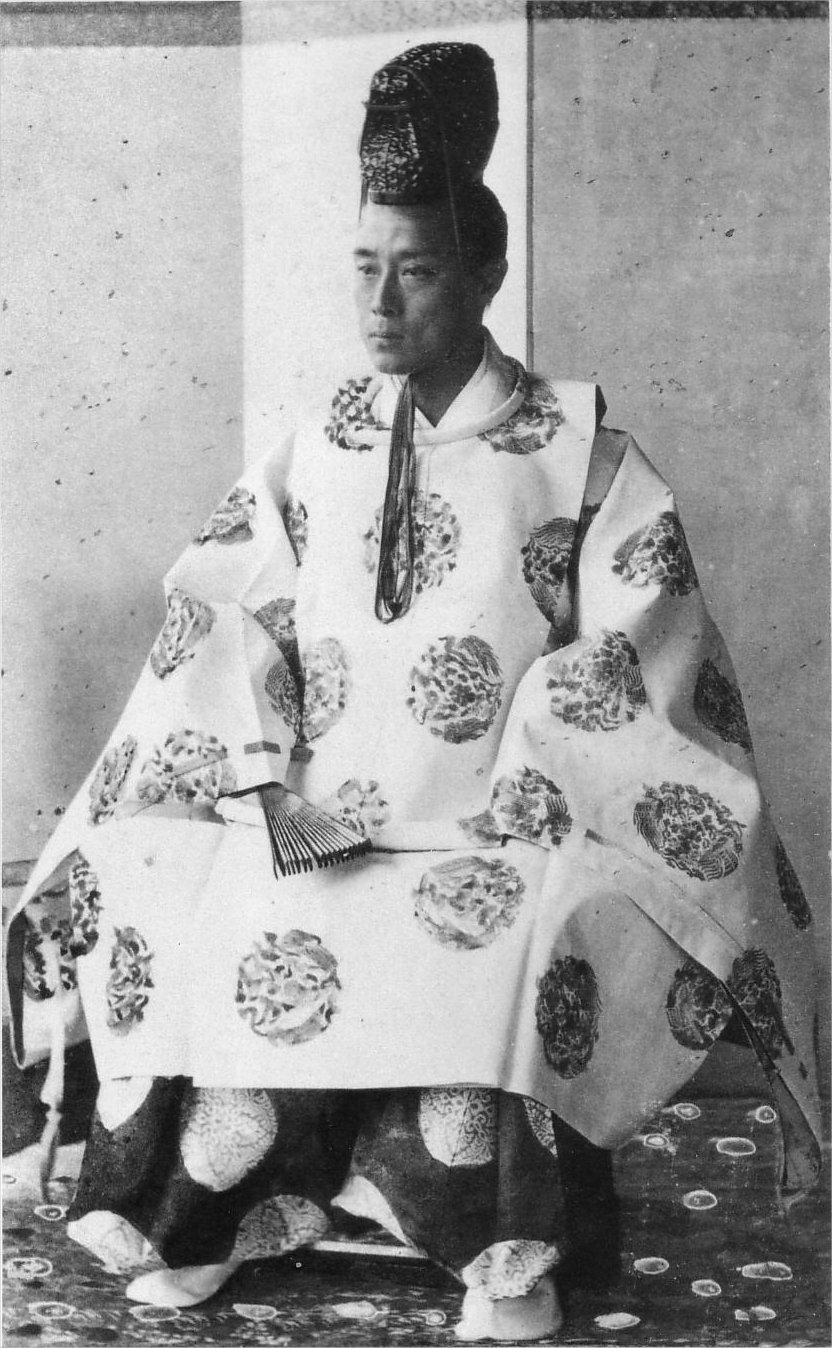
- Edo (Tokugawa) shogunate (1603–1868): Founded by Tokugawa Ieyasu, the Tokugawa bakufu imposed a rigidly ordered feudal framework that regulated daimyo, codified social status, and maintained internal peace (the Pax Tokugawa) until the pressures of the 19th century.
Social, military and legal roles
Shogunal governments shaped samurai identity and the obligations that bound lords and vassals. The bakufu controlled military appointments, adjudicated disputes among warriors, and oversaw policing and public order in many regions. While the imperial court continued to manage ceremonial and cultural matters, the shogun’s system regulated land rights, domain transfers, and the fiscal relationship between center and periphery. These arrangements created durable patterns of governance that influenced taxation, local administration, and the career paths of warriors and administrators.
Decline and the end of shogunal rule
From the late 16th century onward, changing military technology, economic growth, social mobility, and increased contact with foreign powers altered the foundations of shogunal authority. Internal factionalism and the rise of powerful domains also eroded central control. In the 19th century, diplomatic pressure and unequal treaties with Western powers, combined with domestic political movements, culminated in the restoration of imperial rule and the dismantling of the Tokugawa bakufu during the political transformations of the Japan of 1868–1871.
Legacy and cultural impact
The shogun and the bakufu left a complex legacy: long periods of centralized military governance and stability under the Tokugawa; the institutionalization of samurai ethics and legal norms; patronage of arts, religion, and literature under different regimes; and persistent questions about sovereignty and legitimacy. In modern scholarship and popular culture the term "shogun" evokes both political authority and the social world of warriors that dominated large parts of Japanese history.
Research, sources and further reading
Studies of shogunal Japan draw on administrative records, legal codes, family archives, temple documents, and contemporary chronicles. For translation issues and terminological discussions see works that address the Japanese language and medieval institutions. Specialized studies treat regional variations, economic underpinnings, and the cultural patronage of individual shoguns. For concise introductions and period overviews readers may consult general surveys and academic collections that focus on the Kamakura, Muromachi and Tokugawa regimes and their transformations in the early modern and modern eras.
For entrances to period-specific material and digital collections, consult curated guides and library portals: an overview of medieval and early modern institutions, case studies of samurai households, and biographies of key figures all provide pathways to primary sources and scholarship.
Related articles
Author
AlegsaOnline.com Shogun: Japan’s military rulers and the bakufu system Leandro Alegsa
URL: https://en.alegsaonline.com/art/89944
Sources
- books.google.com : "Shogun"
- books.google.com : "Kamakura-jidai"
- books.google.com : "Muromachi-jidai"
- books.google.com : "Ashikaga"
- books.google.com : "Edo-jidai"
- books.google.com : "Tokugawa-jidai"