
Scientific racism: history, methods, and why modern science rejects it
Scientific racism is the misuse of scientific claims to justify racial hierarchies. This article explains its origins, common methods, historical consequences, and why contemporary genetics and scholarship reject it.
Overview
Scientific racism refers to efforts to use the language, methods, or authority of science to justify prejudice or unequal treatment based on perceived human groups. Such arguments present social and political inequalities as natural differences between groups rather than products of history, environment, or power. They have been advanced in many periods and places to defend systems of domination and exclusion.
Image gallery
10 Images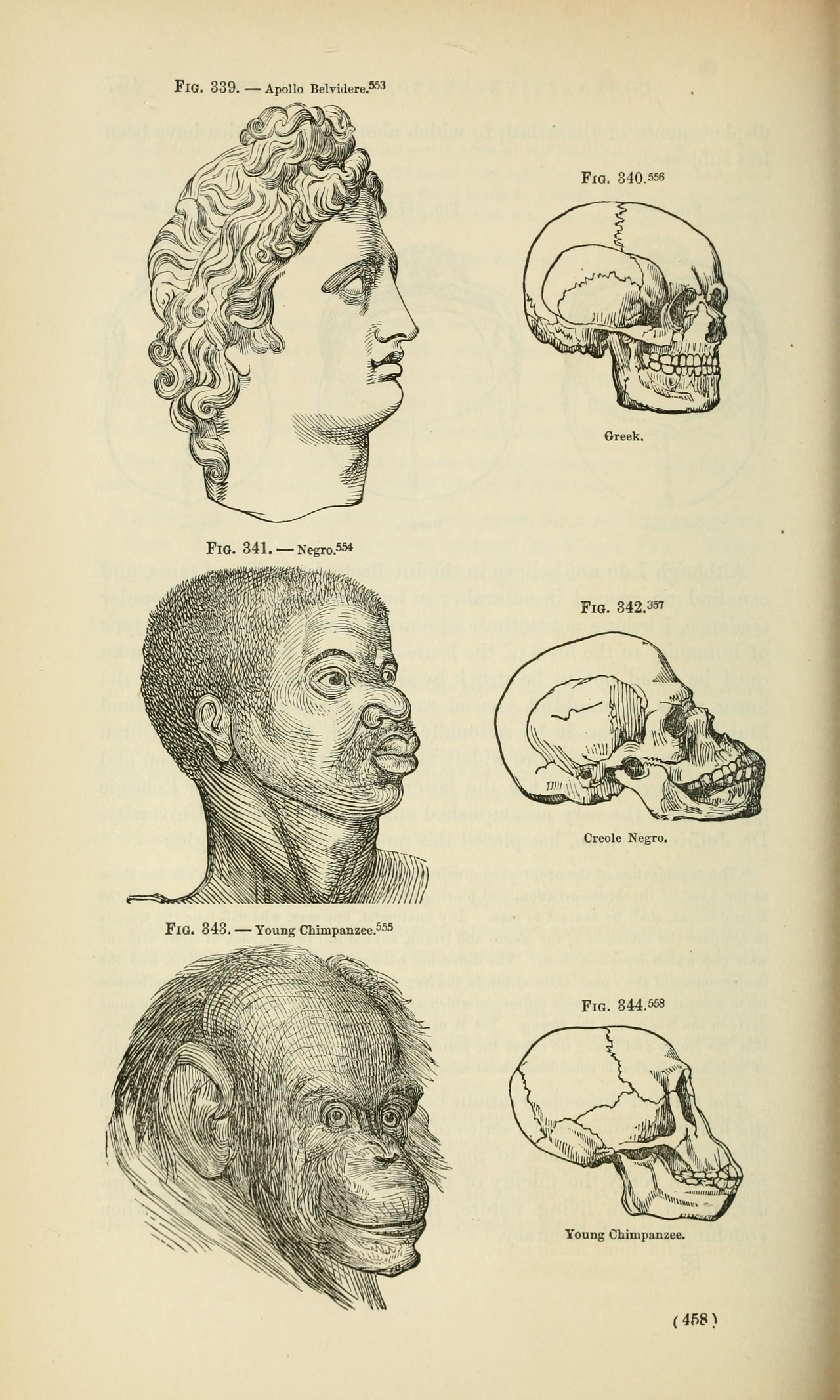




Typical claims and techniques
Practitioners often relied on measurement and classification: skull measurements, misinterpreted statistics, staged comparisons and typologies aimed at defining what they called race. In the 19th century some authors grouped people into broad categories and applied labels that are now discredited: for example, terms used historically for people of African ancestry included the label Negroid and references to black people. Advocates typically claimed that white people were superior in intellect, character or culture. Those claims were presented as scientific findings despite being shaped by social assumptions and biased sampling.
Historical development and uses
From the late 18th century into the 20th century, scientific racism influenced social policies, colonial administration, and popular ideas. It was used to rationalize slavery, segregation such as Jim Crow laws, and discriminatory immigration restrictions. In Europe, writings by racial theorists—including polemical authors like Houston Stewart Chamberlain—fed ideologies that portrayed some groups as threats. Extremist movements drew on and distorted such material: political leaders including Adolf Hitler and the Nazi regime used racial mythologies to justify persecution and, ultimately, genocide (approximately six million Jews and millions of other victims).
Consequences and examples
- Legitimized unequal laws and social practices, from forced labor to restrictions on marriage and education.
- Supported supposedly neutral public policies that produced disproportionate harm to targeted groups.
- Underpinned eugenics movements that promoted sterilization, institutionalization, and other coercive interventions.
Scientific refutation and modern understanding
Contemporary biological and social science reject the central claims of scientific racism. Advances in genetic research and population biology show that human genetic variation is continuous and that most variation exists within—not between—populations. Anthropologists and biologists emphasize that ‘‘race’’ is a social construct: categories used in one society or era often differ from those used elsewhere, and they rarely map cleanly onto patterns of ancestry or biology.
Legacy and contemporary issues
Although discredited scientifically, the legacy of scientific racism persists in institutions, social attitudes, and some popular and political arguments. Modern scholars study how biased research methods and misuse of statistics produced enduring myths, and they stress careful, ethical science that distinguishes social categories from biological facts. Public education, critical scholarship, and transparency in methodology continue to be important in preventing the reutilization of scientific language to justify discrimination.
For additional background and further reading, see resources on the history of science and race studies linked in specialist collections and archives: science overview, racism studies, and curated articles about race and genetics at institutions and research centers: race concepts, black histories, historical terminology, racial ideology, slavery history, Jim Crow era, Chamberlain, Nazi ideology, genetics research.
Related articles
Author
AlegsaOnline.com Scientific racism: history, methods, and why modern science rejects it Leandro Alegsa
URL: https://en.alegsaonline.com/art/88041
Sources
- unesdoc.unesco.org : The Race Question