
Extraterrestrial life
Life that originates beyond Earth. Covers definitions, possible habitats, historical ideas, methods of search (astrobiology, SETI), and current status: no confirmed detection to date.
Overview
Extraterrestrial life denotes any form of life whose origin is not the planet Earth. The phrase is used broadly to include microbial organisms, complex multicellular organisms, and hypothetical intelligent beings that evolved elsewhere in the cosmos. For a concise working definition see this definition. The notion contrasts with life native to the planet we inhabit and with historical labels such as Terra used in older literature; the Latin root Terra simply refers to Earth. Discussions of extraterrestrial life typically separate questions of its existence from questions about its nature, abundance, or technological capability.
Image gallery
10 Images


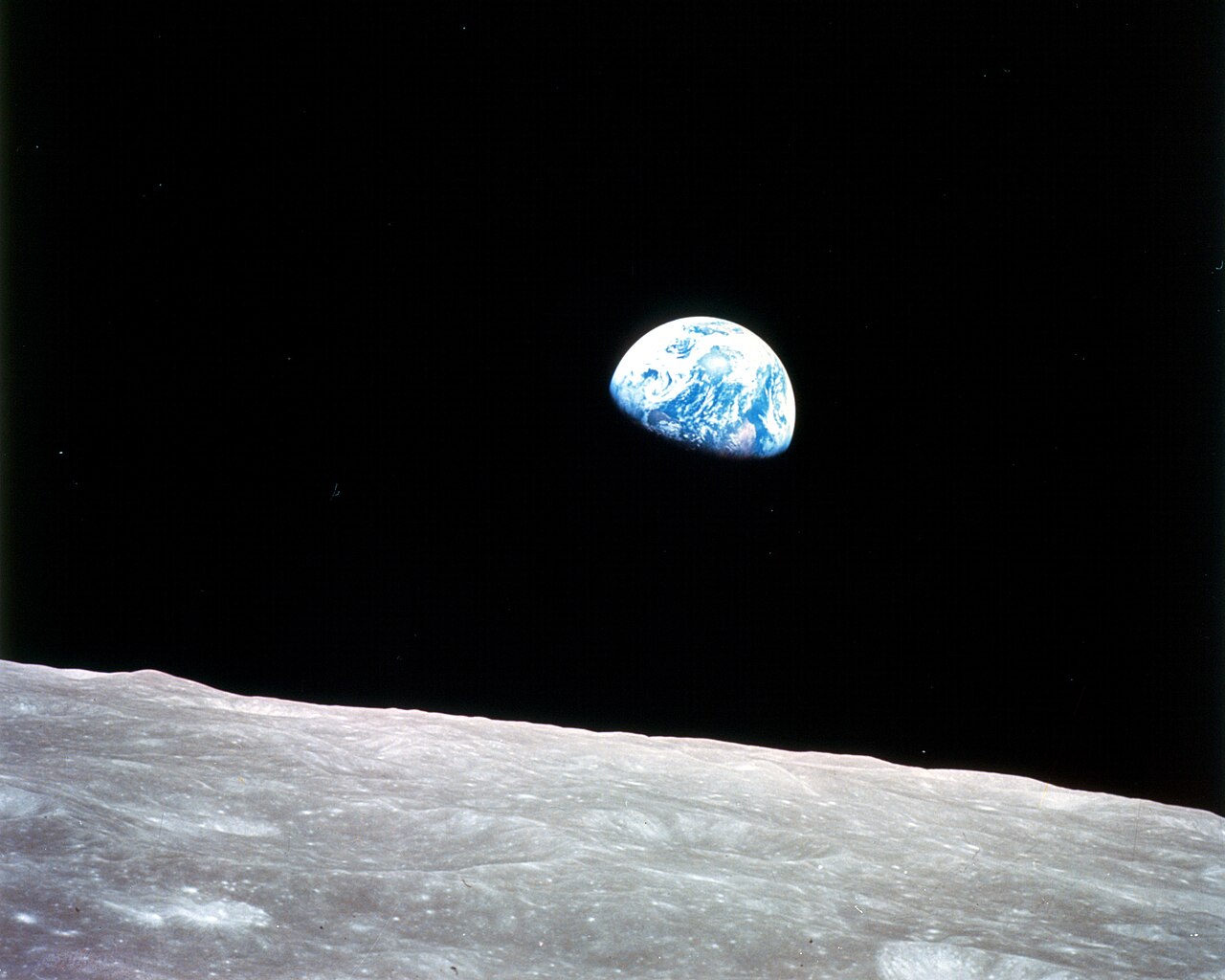


Potential habitats and characteristics
Scientists look for places where basic requirements for life—liquid solvent, energy sources, and a supply of chemical building blocks—might be met. Within the solar system, candidate environments include subsurface niches on Mars, subsurface oceans beneath icy moons such as Europa and Enceladus, and transient atmospheres or hydrothermal systems. Beyond the solar system, planets orbiting other stars (exoplanets) can present a wide range of conditions; many star systems have confirmed planets, and some of these planets lie in their star’s habitable zone where temperatures could permit liquid water (exoplanetary systems). Life elsewhere could share biochemical similarities with Earth life or take forms adapted to very different solvents, temperatures, or chemistries. Until evidence is found, descriptions remain cautious and broad.
How scientists search
Search strategies span spacecraft missions, laboratory analysis of returned samples, remote astronomical observations, and radio/optical signal searches. Robotic landers and orbiters examine planetary surfaces and atmospheres for biosignatures; telescopes analyze exoplanet atmospheres for gases out of chemical equilibrium; and programs such as SETI look for deliberate or accidental transmissions from technologically capable societies. Common approaches include:
- In situ exploration and sampling of planetary surfaces and moons.
- Spectroscopic detection of atmospheric molecules that could indicate biology.
- Searches for narrowband or structured electromagnetic signals.
- Laboratory studies of extremophiles on Earth to expand models of habitable conditions.
History of the idea
Speculation about life beyond Earth stretches back to ancient and classical philosophy. In the modern era, discussions were shaped by early cosmologists and natural philosophers who argued that other worlds might host life like our own. The topic grew more empirical as astronomy discovered exoplanets and planetary science mapped environments within the solar system. The interdisciplinary field of astrobiology now brings together astronomy, planetary science, biology, chemistry, and geology to assess the probability and detectability of life beyond Earth.
Importance, distinctions and open questions
The search for extraterrestrial life addresses profound scientific and cultural questions: How common is life in the universe? Does life elsewhere follow similar biochemical rules? Are there intelligent or technological civilizations? A key distinction is between microbial life, which might be relatively common and difficult to broadcast, and intelligent life capable of producing detectable technosignatures. Despite extensive efforts, no unambiguous evidence or confirmed signals have been found to date; ongoing missions and new observatories continue to refine the search and test hypotheses. For further context on life forms and related concepts see life forms and further background on stellar systems at exoplanet resources.
Notable concepts and public interest
Topics often associated with extraterrestrial life include the Fermi paradox (the question of why we have not yet observed evidence of other civilizations), biosignatures vs technosignatures, planetary protection protocols to avoid contamination, and the societal implications of discovery. Public fascination and scientific inquiry continue to drive exploration and debate, while careful, evidence-based methods guide the search. For accessible introductions and ongoing projects consult outreach materials and curated resources via planetary science portals or general overviews linked from Earth and space educational pages.
Questions and answers
Q: What is extraterrestrial life?
A: Extraterrestrial life is life that is not from the planet Earth. It is alien life and refers to the life forms not originating on or from the planet Earth.
Q: Is it possible that there are planets like ours with life?
A: Yes, it is reasonable to say that planets rather like ours exist, and that life might evolve there also. So far none has been found, though it is possible that life once existed on Mars.
Q: Have any searches been made for signals from extraterrestrial life-forms?
A: Yes, searches have been made for signals from extraterrestrial life-forms but so far no signals have been received.
Q: Is this a new idea?
A: No, it is not a new idea as quite a few philosophers have speculated on the existence of other planets like ours with the idea that what happened here could also happen there.
Q: Do we know if many other star systems have exoplanets?
A: Yes, one thing we do know is that many other star systems do have exoplanets.
Q: What does 'Terra' refer to in Latin?
A: The word 'Terra' in Latin refers to our planet - Earth.
Related articles
Author
AlegsaOnline.com Extraterrestrial life Leandro Alegsa
URL: https://en.alegsaonline.com/art/33029