
Future: concepts, study, and cultural representation
An overview of the future as a concept, its relation to time, methods for studying possible futures, cultural portrayals, and practical uses of futures thinking.
Overview
The future denotes events and states that have not yet occurred. In common usage it is contrasted with the past, which contains events that have already happened, and the present, which is the interval in which events are occurring now. Thinking about the future ranges from simple everyday planning to formal study of long-term social, technological, and environmental change.
Image gallery
4 Images

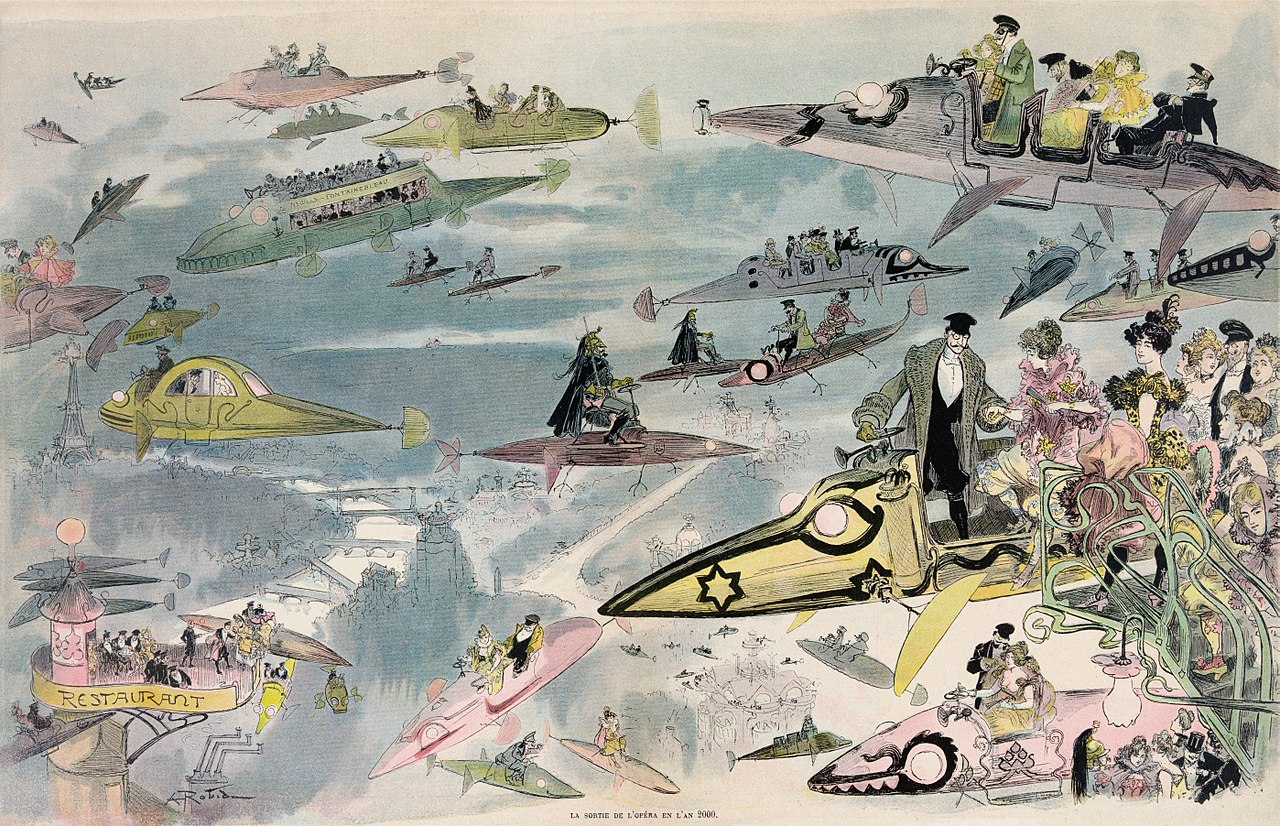

Concepts of time and the future
Philosophers, scientists and ordinary people treat the future in different ways. Some approaches emphasize linear progression, others cyclical or branching possibilities where many different outcomes are possible. Discussions of the future often involve probability, uncertainty and causation: what factors might make a particular outcome more or less likely, and how actions in the present can shape what comes next. The relationship between past, present and future is central to how societies remember events and set goals: see discussions of the past and future.
Futures studies and methods
The organized examination of possible futures is often called futures studies or futurology. This field uses methods such as forecasting, scenario planning, horizon scanning, trend analysis and backcasting to explore alternative paths. Rather than predicting a single inevitable outcome, practitioners commonly develop multiple scenarios that describe different plausible worlds based on varying assumptions about technology, demographics, politics and the environment.
Cultural representations
The future is a frequent theme in religion, philosophy, literature and popular media. Many stories imagine utopias, dystopias, or technological change and its consequences. Works in film, television and other media speculate about future societies, technologies and moral challenges; examples across movies and television often shape public imagination as much as academic forecasts. Fiction that explores scientific or technological futures is often called science fiction, though narratives about the future may belong to other genres as well.
Uses and examples
Thinking systematically about the future helps governments, businesses and communities prepare for risks and opportunities. Scenario exercises can improve resilience to economic shocks or climate impacts; technology roadmaps guide research investments; demographic projections inform infrastructure planning. On a personal level, future-oriented thinking supports goal setting, career planning and long-term financial decisions.
Distinctions and notable facts
- Prediction differs from planning: prediction tries to identify a most likely outcome, while planning explores how to influence outcomes.
- Uncertainty increases with time horizon: short-term forecasts are generally more reliable than long-term ones.
- Imagined futures can influence real-world choices—stories and expectations help shape policy and innovation priorities.
Understanding the future therefore combines conceptual clarity about time, practical methods for exploring possibilities, and awareness of how cultural narratives and institutional choices interact to produce real outcomes.
Related articles
Author
AlegsaOnline.com Future: concepts, study, and cultural representation Leandro Alegsa
URL: https://en.alegsaonline.com/art/37101