
Novel: the long prose narrative and its forms
A novel is a long work of prose fiction that tells a sustained story. This article explains its features, common genres, historical origins, uses, and how it differs from shorter forms.
A novel is a long, fictional narrative written in prose that presents characters, a plot, and a coherent sequence of events. Unlike short stories or novellas, novels typically allow for extended development of character, theme and setting. They may be realistic or fantastical, serious or comic, and appear in many different styles and formats — from straightforward chronological tales to experimental, fragmented structures.
Image gallery
10 Images


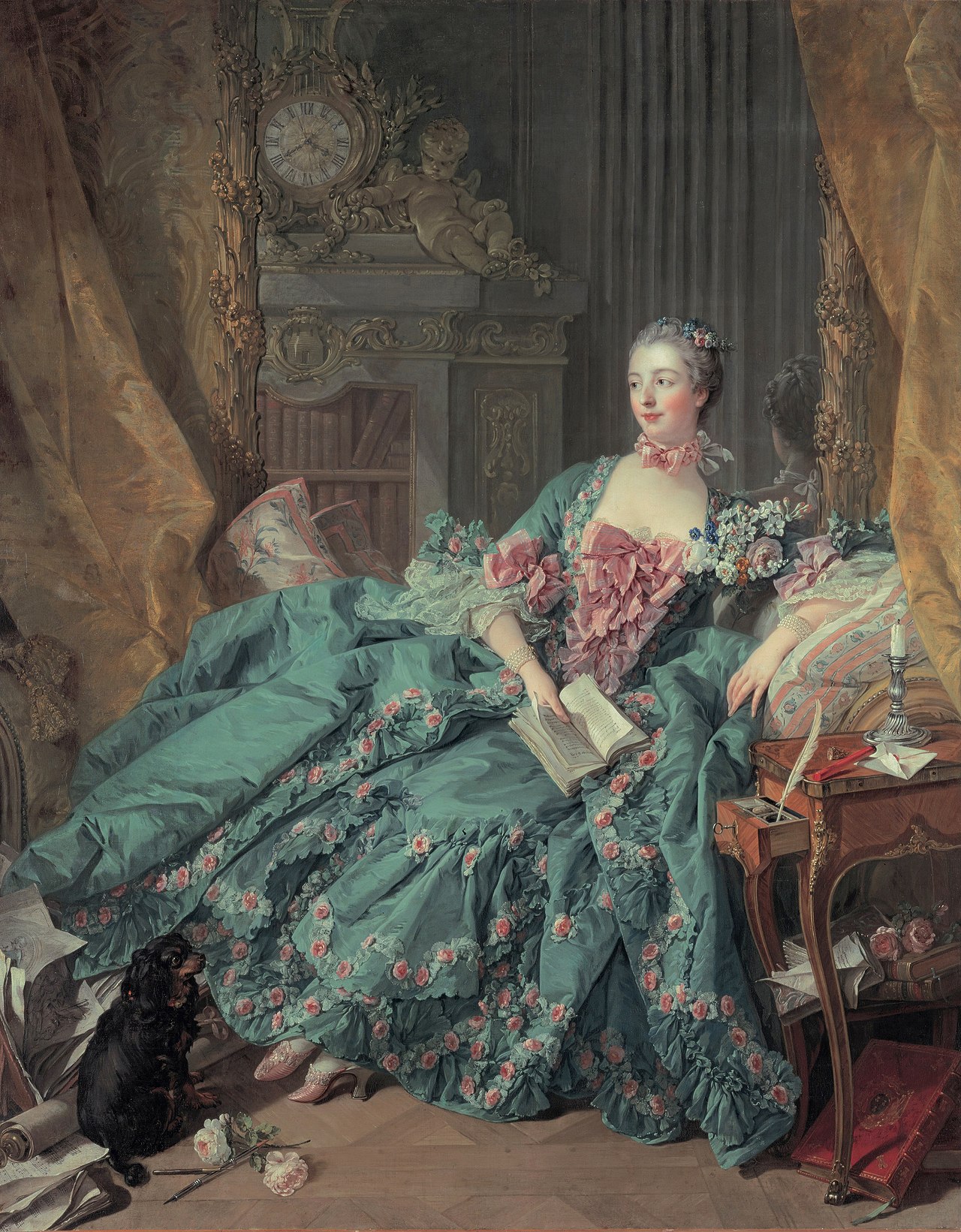


Core characteristics
Novels are defined more by scale and narrative depth than by a single, fixed length, but many modern novels exceed roughly 60,000 words and commonly run to a hundred pages or more. Key elements include sustained plotlines, detailed characterization, descriptive passages that establish setting and mood, and often a point of view that guides the reader’s experience. Novels can combine subplots, multiple narrators, and complex temporal arrangements (flashbacks, parallel timelines) to explore ideas or relationships at length.
Genres and examples
- Form and medium: written in prose and usually classified as fiction.
- Adventure: tales of exploration and action, for example Treasure Island.
- Gothic and horror: narratives that emphasize the frightening or uncanny, such as Frankenstein.
- Science fiction and speculative: stories that imagine technological or social futures, for instance Dune.
- Humor and social satire: novels that critique manners or institutions through comedy, with examples like Tom Sawyer.
History and origins
The novel emerged gradually from earlier long narratives, romances, and chronicles. Scholars often point to Miguel de Cervantes’s Don Quixote (first part published in 1605) as a foundational work that helped shape the modern novel by combining realism, parody and sustained characterization. Over the 18th and 19th centuries the form expanded rapidly: the rise of the novel coincided with increased literacy, printing technologies, and the development of reading publics, and many novels were published first in serialized form.
Functions, importance and distinctions
Novels serve many purposes: they entertain, question social values, preserve cultural memory, and experiment with language and perspective. They are a primary vehicle for literary realism, psychological exploration and social critique. Compared with short stories, novels afford greater room for complexity; compared with novellas, they tend to sustain wider narrative scope and more subsidiary material. Length is a helpful guideline, but form and intention also matter.
Notable developments and reading
Across centuries the novel has continually reinvented itself: realist novels of the 19th century, modernist experiments in the early 20th century, and the diverse postwar and contemporary practices that mix genres and media. Readers encounter novels in print, audio, and digital forms; critics study them for craft, historical context, and cultural impact. Whether kept as a page-turner or examined in a classroom, the novel remains one of the most adaptable and influential forms in world literature.
Further reading and resources are available for those who wish to explore specific works, movements, or techniques in greater depth.
Questions and answers
Q: What are novels?
A: Novels are books that contain one long story and are works of prose fiction.
Q: How do novels differ from short stories and novellas?
A: Novels are longer than short stories and novellas.
Q: What are some examples of different kinds of novels?
A: Some examples of different kinds of novels include adventure stories like Treasure Island, horror stories like Frankenstein, science fiction novels like Dune, and humorous novels like Tom Sawyer.
Q: How long are novels typically in terms of words?
A: Novels in English are usually at least 60,000 words long. Some are much bigger, 150,000 words or more.
Q: How long are novels typically in terms of the number of pages?
A: Novels usually have 100 pages or more.
Q: When were the first novels written?
A: The first novels were written more than three hundred years ago.
Q: What is considered to be the first novel?
A: Some people say that Don Quixote by Miguel de Cervantes is the first novel. It was first published in 1605.
Related articles
Author
AlegsaOnline.com Novel: the long prose narrative and its forms Leandro Alegsa
URL: https://en.alegsaonline.com/art/71232