
Isaac Asimov
Isaac Asimov (1920–1992) was a Russian-born American writer and biochemist, renowned for his science fiction (Foundation, Robot stories), popular science books, and influential ideas about robotics and rationalism.
Overview
Isaac Asimov was a highly prolific author and scientist whose work shaped modern science fiction and public understanding of science. Born in the early 20th century in what is now Russia and passing in 1992, he combined a formal scientific education with a gift for clear, accessible writing. For a concise biographical entry see biographical sources.
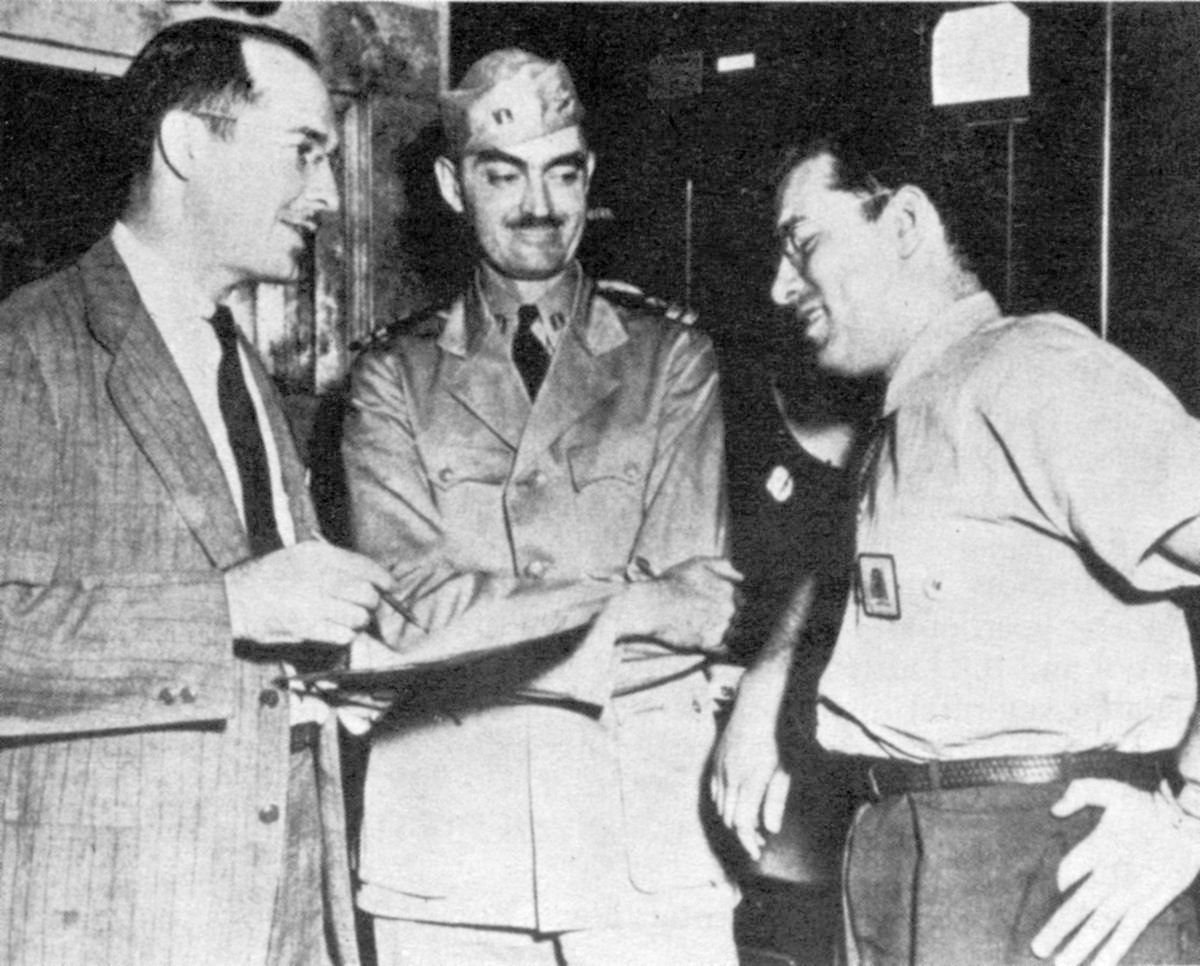
Image gallery
6 Images



Major themes and works
Asimov wrote novels, short stories and many nonfiction books. He is best known for two intertwined cycles: the Foundation series, portraying the rise and fall of galactic civilization, and the robot stories that introduce the Three Laws of Robotics. Notable titles include:
- Foundation and its sequels
- I, Robot and other robot tales
- The Caves of Steel and related mysteries
Background and career
Trained as a scientist, Asimov earned a doctorate and worked in biochemistry; he is often described simply as a biochemist by training. His scientific credentials include graduate study at an Ivy League university: see records at Columbia University. He later combined teaching, research, and full-time writing.
Influence and legacy
Beyond storytelling, Asimov popularized scientific ideas for general readers and helped shape cultural attitudes to technology. His formulation of the Three Laws and his frequent use of the term robotics influenced both fiction and discussion of machine ethics. He wrote hundreds of works of fiction and nonfiction and is a central figure in discussions of 20th-century science fiction.
Further reading
For collections, critical studies and introductions, consult annotated bibliographies and major anthologies. Many libraries and online archives offer curated lists and essays; a good starting point is the main reference page at biographical sources and specialist portals linked from genre resources.
Related articles
Author
AlegsaOnline.com Isaac Asimov Leandro Alegsa
URL: https://en.alegsaonline.com/art/48304
Sources
- imdb.com : Isaac Asimov
- www3.sympatico.ca : 15-Book reading order as suggested by Asimov
- en.wikiquote.org : Free Inquiry (Spring 1982). Wikiquote
- locusmag.com : "Letter from Janet Asimov"