
Video game: overview, history, platforms, genres, and culture
A concise encyclopedia entry on video games: definition, major genres, platforms (consoles, PC, mobile), distribution methods, emulation, history, and competitive play (esports).
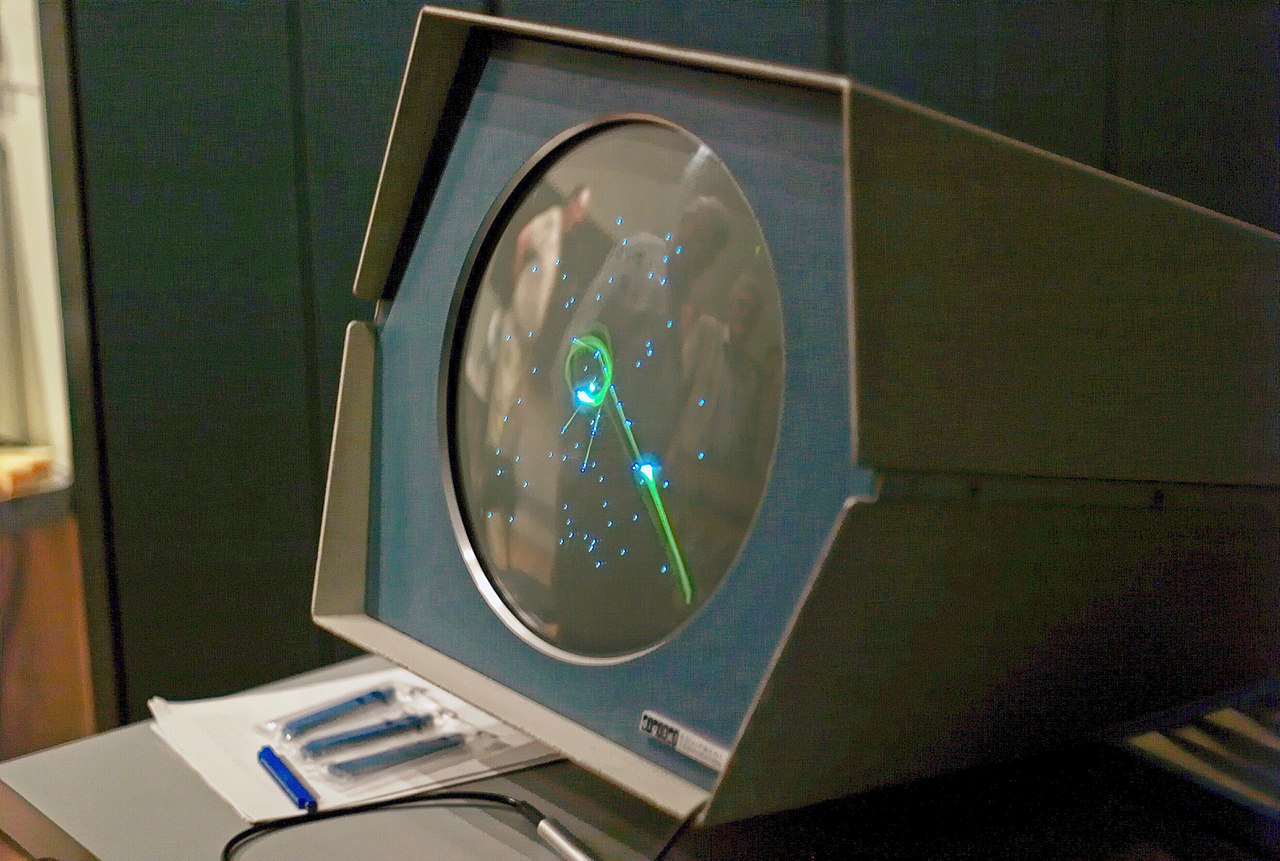
Video games are interactive electronic entertainment played on a screen. A typical definition emphasizes software-driven rules, player input and visual feedback produced on devices such as a television or dedicated display. Early descriptions called them electronic or video games because they present moving images; modern play happens on household televisions (TV), computer monitors (monitors), or built-in screens in portable devices.
Image gallery
10 Images




Genres and gameplay types
Video games are commonly sorted into genres that describe structure and player goals. A single title can mix several genres. Typical categories include:
- Genre classifications as an organizing idea—action, adventure, simulation, and strategy.
- Role-playing games (RPGs), where players develop characters and follow narrative quests.
- Shooters, emphasizing projectile combat and reflexes.
- First-person shooters (FPS), presenting the world from the protagonist’s viewpoint.
- Side-scrollers and platformers, focusing on jumping, timing and navigation.
Beyond genre labels, games are distinguished by mechanics (how players act), perspective (first- or third-person), and modes (single-player, cooperative, competitive or massive multiplayer). Many contemporary titles blend mechanics—for example, role-playing systems inside action games.
History, hardware and distribution
Commercial video games have evolved from simple arcade and home systems to a diverse ecosystem of platforms. Historically, games were delivered on cartridges (cartridges) and later on optical discs such as CDs and DVDs. Today digital distribution and downloads (digital download) dominate many markets. A dedicated household device for playing games is called a console, while a wide variety of home computers and personal computers support PC games.
Early influential consoles included the Atari 2600, the Sega Master System and the Nintendo Entertainment System. Among modern hardware, examples are Microsoft’s Xbox Series X, Sony’s PlayStation 5, and Nintendo’s Switch family; the best-selling console of a past generation was Sony’s PlayStation 2. Many consoles and computers are notable for their libraries, controllers and exclusive titles.
Personal computers remain a major platform for development and play. Emulation—running software that imitates older hardware—allows modern PCs to play legacy console titles through emulators, contributing to preservation and renewed availability of classic games.
Mobile and portable play has expanded rapidly. Handheld systems and mobile devices such as phones and tablets run games natively; they rely on operating systems (OS) like iOS and Android. Mobile phones (phones), tablets and dedicated devices such as iPad, iPod legacy devices and other tablets host many casual and complex games, though not every PC or console game is available on mobile platforms.
Community, culture and competitive play
Video games are both a leisure activity and a cultural medium used for storytelling, art and education. Communities form around genres, franchises and online services. Organized competition has grown into a professional scene—commonly called esports—with tournaments, teams, and prize pools. Beyond competition, games are used in learning, simulation and research, and they intersect with film, music and other creative industries.
While technology and business models continue to change—driving new hardware, streaming services and evolving distribution—the core idea remains: video games give players interactive systems to explore, solve problems and experience designed challenges. Preservation, accessibility and the social impact of games continue to be important topics for players, creators and scholars alike.
Questions and answers
Q: What are video games?
A: Video games are electronic games played on a video screen, such as a television, computer monitor, or built-in screen when played on a handheld machine.
Q: What are the different types of video games?
A: There are many types, or genres, of these games including role-playing games; shooters, first-person shooters, side-scrollers, and platformer.
Q: How do people usually get video games?
A: Video games usually come on CDs, DVDs or digital download. Many used to come on cartridges.
Q: What is a specialized device used to play video game at home called?
A: A specialized device used to play a video game at home is called a console.
Q: What is the best selling console of all time?
A: The best-selling video game console of all time is the PlayStation 2 made by Sony.
Q: Can people use computers to play video games?
A: Yes, people can also use computers to play what are sometimes referred to as PC Games.
Q: Are there competitions for playing video games?
A: Yes, competitions for playing video games are called electronic sports.
Related articles
Author
AlegsaOnline.com Video game: overview, history, platforms, genres, and culture Leandro Alegsa
URL: https://en.alegsaonline.com/art/105039