
Salami: a concise guide to the cured sausage, its types and production
Salami is a fermented and cured sausage with many regional varieties. This article explains ingredients, traditional production, common styles, culinary uses, storage and notable distinctions.
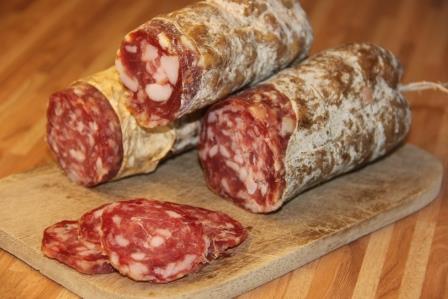
Salami is a type of cured, fermented sausage traditionally associated with Italy but produced across Europe and worldwide. Historically the name derives from the Italian root salare, meaning to salt, reflecting salt’s central role in preserving the meat. In modern usage salami covers a wide range of recipes and textures, from coarsely chopped, air‑dried links to finer, smoked or cooked varieties.
Image gallery
10 Images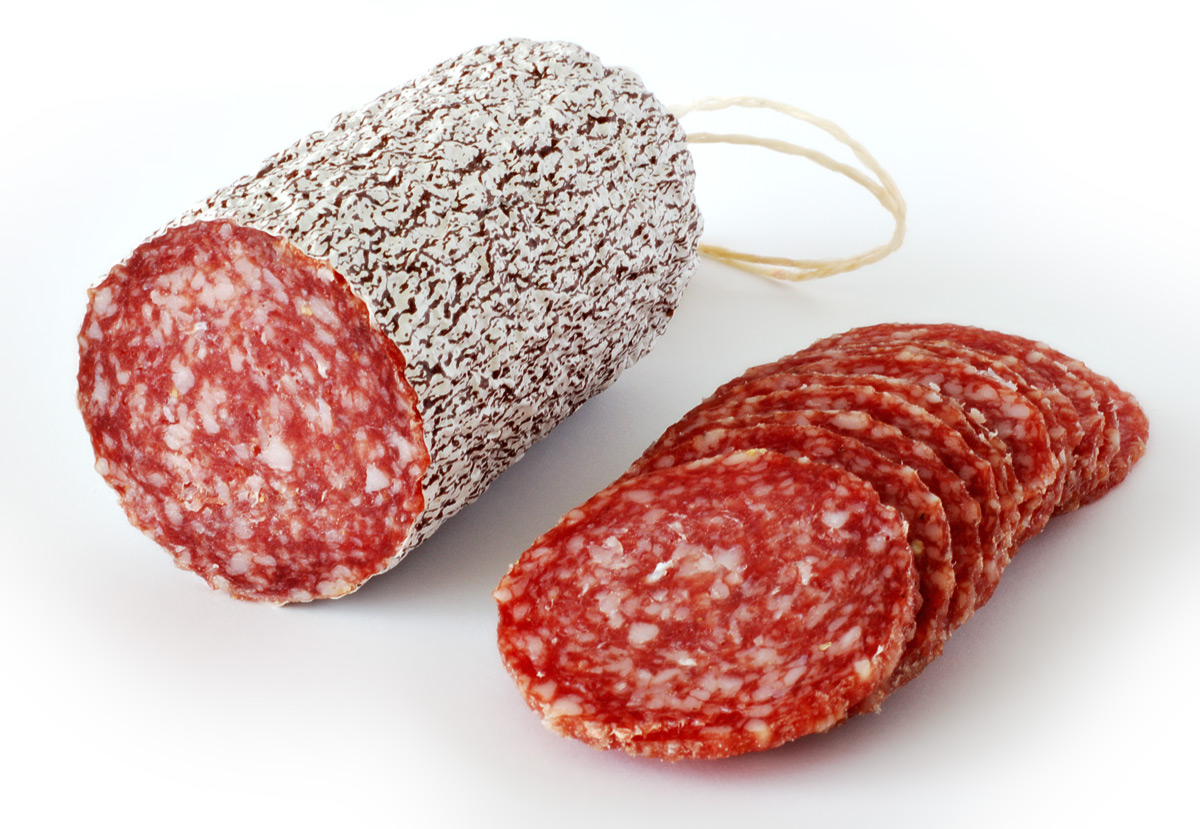



Typical ingredients and characteristics
Basic salami recipes combine meat, fat, salt and seasonings. The most common meat historically has been pork, but many recipes use beef, blends of beef and pork, or leaner poultry such as turkey or chicken for lower‑fat versions. Salt is essential for preservation and flavor (salt). Herbs (herbs) and spices (spices) are added according to regional taste, and many Italian salamis include garlic.
Production: curing, fermentation and drying
Traditional salami is made by chopping or grinding meat and fat, mixing in salt, starter cultures or spices, stuffing the mixture into natural or synthetic casings, and then allowing controlled fermentation and drying. Fermentation lowers pH and helps inhibit spoilage organisms; drying and salt reduce water activity so the sausage preserves without refrigeration. Some styles are cold or hot smoked or briefly cooked before or after drying.
- Preparation: selection and grinding of meat and fat.
- Seasoning: salt plus herbs and spices to taste.
- Stuffing: into casings and sometimes tied into characteristic shapes.
- Fermentation: beneficial microbes develop flavor and acidity.
- Drying/cooking/smoking: final moisture reduction and flavor formation.
Varieties and regional styles
Many salamis are named for their place of origin and differ by meat mix, spice profile, grain of grind and production method. Examples include links to regional names such as Arles, Genoese, Hungarian and Milano. In Spain some varieties include Spanish paprika (paprika) or hot pepper (chili). In parts of central Europe the seasoning sets and smoking traditions differ; German styles may omit garlic (German).
Uses, storage and nutrition
Salami is commonly sliced thin for sandwiches, antipasti platters, pizzas and salads, or used as a flavoring ingredient in cooked dishes. Because it is cured, properly dried salami can be kept at cool room temperature for a time, but many modern salamis are refrigerated after cutting to maintain quality. Nutritionally, salami is protein‑rich but often high in fat and sodium; some producers offer leaner options to reduce fat and calories.
Notable facts and safety
While salami’s preservation relies on salt, drying and fermentation, safe production requires controlled conditions to prevent harmful bacteria. Commercial producers use tested starter cultures and monitoring; home curing should follow proven recipes and safety guidelines. The term salami also functions broadly as a culinary category—many cured sausages worldwide are called or compared to salami (sausage).
Related articles
Author
AlegsaOnline.com Salami: a concise guide to the cured sausage, its types and production Leandro Alegsa
URL: https://en.alegsaonline.com/art/86404