
Genoa: Italian port city and former maritime republic
Genoa (Italian: Genova) is the capital of Liguria on the Ligurian Sea, a historic Mediterranean port and former maritime republic known for its medieval centre, palaces, maritime trade and cultural heritage.
Overview. Genoa (Genova, Ligurian: Zena or Zêna) is the capital of the Liguria region in Italy. Perched on the Ligurian Sea, it has been one of Italy’s principal ports for centuries. The city combines a dense, largely medieval historic core with steep hillsides, a long harbor area and modern industrial zones. Its urban fabric and seafaring traditions reflect a long history of maritime commerce, shipbuilding and cultural exchange across the Mediterranean and beyond.
Image gallery
10 Images
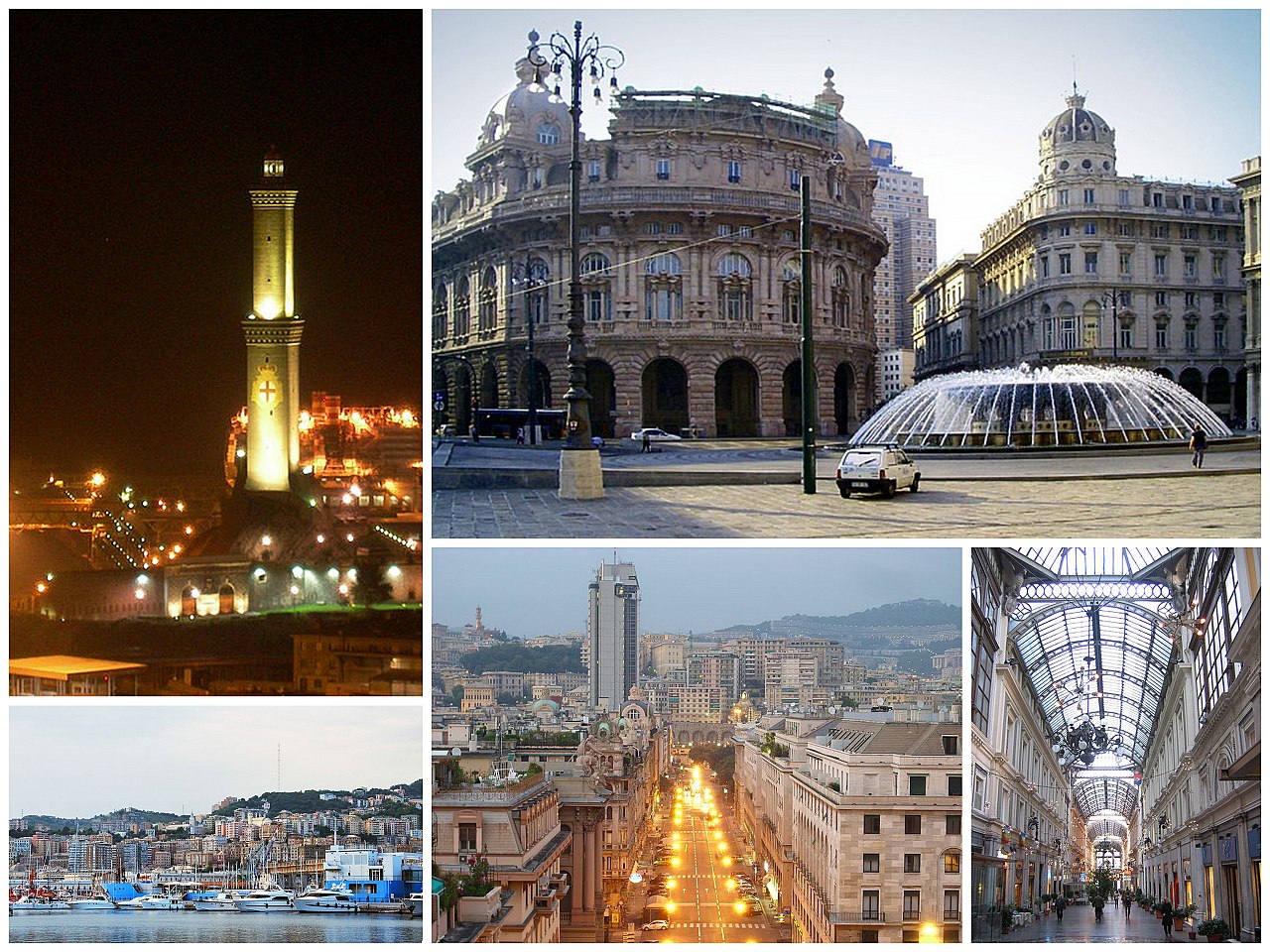



Characteristics and urban fabric
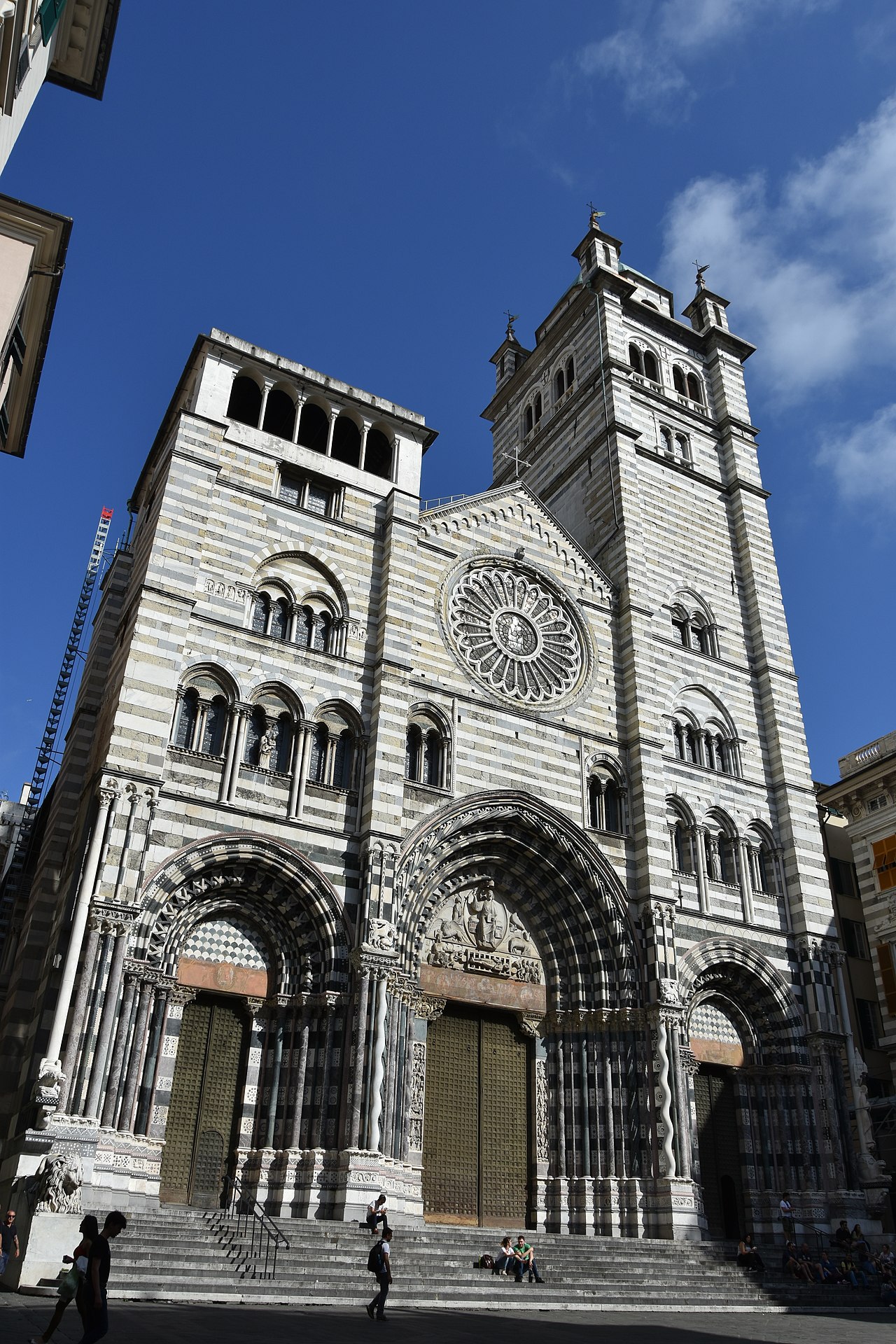
The historic centre of Genoa is among the largest medieval quarters in Europe. A network of narrow lanes known locally as caruggi links squares, churches and palazzi built by wealthy merchant families. The Palazzi dei Rolli, an ensemble of Renaissance and Baroque residences, has been recognized for its architectural and historic value. The waterfront contains both working port facilities and revitalised areas such as the Porto Antico with museums, visitor attractions and a prominent aquarium.
Brief history
Genoa developed from an early Roman settlement into a powerful medieval maritime republic. As an independent city-state its fleets and merchant networks reached across the Mediterranean and into northern Europe. Banking, trade in goods such as textiles and spices, and naval power underpinned its prosperity. The republic once held territories beyond the Italian mainland, including Corsica for extended periods before changes in the 18th century. Notable historical figures associated with the city include the admiral and statesman Andrea Doria. The navigator often described as Genoese, Christopher Columbus, is a contested figure in history whose origins and career are the subject of ongoing research and debate.
Economy, culture and society
Genoa’s economy has long been oriented toward the sea: shipping, shipbuilding and port services remain important, alongside manufacturing and logistics. In recent decades tourism, cultural heritage and maritime services have grown in significance. The city hosts a university and a range of cultural institutions. Genoese cuisine is widely known for specialties such as pesto alla genovese and focaccia, reflecting Ligurian ingredients and culinary traditions.
Arts, music and notable people
Genoa has a rich cultural life. It is associated with the virtuoso violinist Niccolò Paganini and with other artists, writers and civic leaders who shaped regional and national culture. Museums, music venues and festivals celebrate the city’s maritime past and its contributions to the arts.
Transport and modern life
The port continues to be one of Italy’s busiest maritime gateways, handling cargo, ferries and cruise ships. Rail and road links connect Genoa with other Italian cities and with transalpine routes. The main airport, named for Christopher Columbus, links the city to domestic and international destinations. Local public transport, including buses and funiculars, serves the city’s steep terrain and varied neighbourhoods.
Sport, education and neighbourhoods
Genoa has an active sporting culture, including professional football clubs that compete nationally. The city’s university and research centres contribute to education and innovation. Distinctive neighbourhoods range from the densely built historic centre to seaside districts such as Boccadasse and modern waterfront quarters.
Legacy and distinctions
- Former maritime republic with a long mercantile and naval history.
- Extensive medieval centre and UNESCO-recognized palaces.
- Ongoing role as a major Italian port, cultural hub and tourist destination.
Understanding Genoa offers insight into Mediterranean trade networks, city-state politics and the ways in which maritime economies shaped European history. For more detailed information on names and language use see local linguistic sources and guides to regional history.
Key names and place references: Genova, Liguria, Italy, Niccolò Paganini, Christopher Columbus.
Related articles
Author
AlegsaOnline.com Genoa: Italian port city and former maritime republic Leandro Alegsa
URL: https://en.alegsaonline.com/art/38050