
Samosa: Origins, Variations, Preparation, and Cultural Role
An encyclopedic overview of the samosa: its history, regional names and fillings, common preparation methods, cultural importance, and guidance on serving and storage.
Overview
The samosa is a savory filled pastry eaten across many regions of Asia and Africa and widely known in global diasporas. Typically made from a simple wheat-based dough that is folded around a seasoned filling and then fried or baked, samosas are appreciated for their crisp exterior and concentrated flavors. They function as street food, teatime snacks, appetizers and festive treats and are often served with contrasting condiments that balance heat, tang and sweetness.
Image gallery
10 Images


History and Etymology
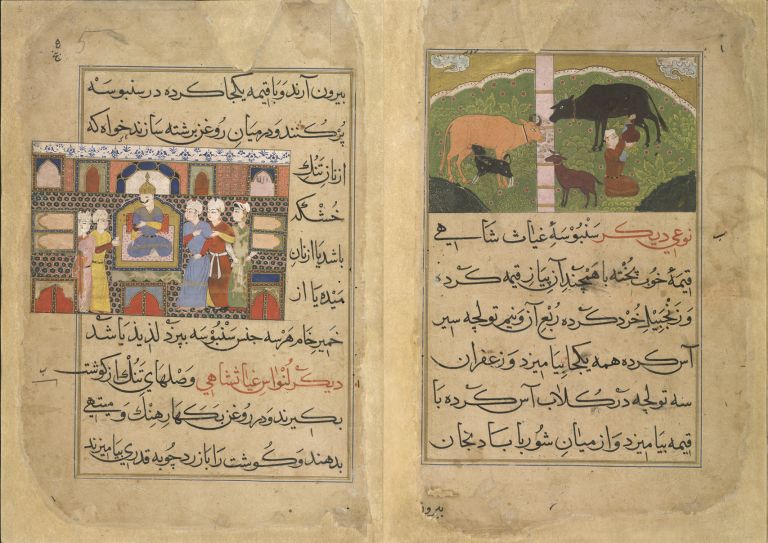
Most culinary historians trace the samosa's antecedents to Central Asian and Persian pastries. The term and its variants likely derive from Persian or related languages and reflect centuries of diffusion along trade routes and migrations. Merchants and travelers contributed to its spread into the Indian subcontinent and beyond; see historical background on trade routes here. As it traveled, local ingredients and techniques altered the filling, shape and cooking method, producing many regional forms and names.
Structure, Dough and Shapes
A samosa is formed from two basic components: an outer casing and an inner filling. The casing is most often an unleavened dough made with plain wheat flour, water and fat (oil, ghee or butter) rolled thin. Shapes vary by place and tradition; while the three-cornered triangular form is widely recognized, cones, half-moons, and folded pocket shapes are also common—compare typical shapes here. The choice of dough (flaky, crisp or slightly thicker) and the method of sealing determine the final texture.
Common Fillings and Seasonings
Fillings range from vegetarian to meat-based and from simple to complex. In South Asia, the classic filling pairs mashed or cubed potatoes with peas and a warm spice mix (cumin, coriander, turmeric, chili and often garam masala). Other popular fillings include minced lamb or beef, spiced lentils, paneer (cottage cheese), green vegetables or mixtures with nuts and dried fruit. Middle Eastern and North African cousins are often filled with spiced minced meat, cheese or rice; see regional examples in the Arabian world here and North Africa here.
Regional Names and Variants
The samosa appears under many names: samosa, sambusa, sambousek, samsa and more, reflecting local languages and culinary practices. It is a staple in the Indian subcontinent (South Asia) and is also common in Southeast Asia (Southeast Asia) where fillings and spices reflect local palates. Central Asian versions retain a close relationship to the pastry traditions of that area (Central Asia). In the Horn of Africa and East Africa, samosas—often called sambusa—were introduced through historic trade and migration and are now a ubiquitous street snack (Horn of Africa). The snack also traveled to southern Africa and diasporic communities, including South Africa (South Africa), where adaptations reflect local tastes.
Preparation and Cooking
Traditionally samosas are deep-fried until golden and flaky, which gives the characteristic crunch and crispness. Baking, shallow-frying or air-frying are alternative methods that reduce oil content and are commonly used in home kitchens and commercial production. Proper sealing and oil temperature are important to avoid oil absorption or breakage. Seasoning inside the filling provides the primary flavor, while the dough may be kept neutral or seasoned lightly according to regional practice.
Serving, Condiments and Pairings
Samosas are usually served hot or warm. Common accompaniments include tangy tamarind chutney, cilantro-mint chutney, or spicy sauces that complement the richness of the pastry. In many South Asian contexts a sweet-spicy chutney is customary; see chutney and dipping sauces here. They also appear alongside yogurt-based sides, pickles or salads, depending on the meal and location.
Cultural Role and Occasions
Beyond everyday snacking, samosas play roles in social and religious gatherings, festive spreads and communal street-food cultures. They are commonly offered at tea stalls, markets and family celebrations. Regional festivals or Ramadan evenings in Muslim communities often feature samosas or related pastries as part of the evening meal. The item’s portability and compatibility with varied fillings make it suited to potlucks, catering and commercial sale.
Commercial Production, Storage and Nutrition
Samosas are manufactured both by artisanal vendors and by larger food producers; pre-made frozen samosas have become part of modern retail markets. Leftover samosas can be refrigerated and reheated in an oven to preserve crispness; they may lose texture if microwaved. Nutritionally, samosas are energy-dense because of the fried pastry and carbohydrate-rich fillings; variations such as baked shells or vegetable fillings reduce calories and fat without changing the essential character of the snack.
Basic Home Preparation Outline
- Prepare dough with plain flour, a pinch of salt and a fat source; rest briefly then roll thin.
- Cook and season the filling—potatoes with peas, or browned minced meat with spices and aromatics.
- Cut and shape dough into pieces, place filling, fold and seal to form the chosen shape.
- Deep-fry in hot oil or bake until the exterior is golden and the filling is heated through.
Further Reading and Resources
For comparative recipes and regional variations consult culinary guides and regional cookbooks; for historical context follow resources on trade and cultural exchange trade routes, regional culinary surveys South Asia, and street-food studies in Southeast Asia. For naming and Middle Eastern forms see discussions of sambousek and Central Asian samsa. Notes on East African and North African contexts can be found here and here, and diaspora adaptations in South Africa. For shape guides and folding techniques refer to visual resources shape examples, and for chutney recipes and pairings see condiment guides here.
Summary: The samosa is a resilient, adaptable snack that illustrates how a simple idea—seasoned filling wrapped in dough—travels and changes with local ingredients and tastes, creating a wide family of related pastries enjoyed around the world.
Questions and answers
Q: What is a samosa?
A: Samosa is a popular snack originally from Central Asia. It has an outer hard crust made of plain flour and usually has a filling of potatoes and spices.
Q: How did the samosa travel to India?
A: The samosa travelled to India with the help of Muslim merchants of trade routes.
Q: What shape does the samosa typically have?
A: The samosa is generally prepared in the shape of a triangle, however, the shape and sizes tend to vary from region to region.
Q: How is it cooked?
A: The samosa can be either baked or fried.
Q: What type of sauce is commonly eaten with it?
A: Samosas are usually eaten with a spicy sauce called chutney.
Q: Where else can you find this dish besides India?
A: Besides India, you can find samosas in Southeast Asia, Central Asia, Southwest Asia, the Arabian Peninsula, the Mediterranean, the Horn of Africa, North Africa as well as South Africa.
Q: Is there any other variation in ingredients for this dish?
A: Yes, depending on regional variations there may be different ingredients used for fillings or different types of sauces served with it.
Related articles
Author
AlegsaOnline.com Samosa: Origins, Variations, Preparation, and Cultural Role Leandro Alegsa
URL: https://en.alegsaonline.com/art/86704
Sources
- articles.timesofindia.indiatimes.com : "Anyone for a samosa?"
- avartsycooking.com : "Nigerian Samosas"
- books.google.com : Non-Fried Snacks
- hindustantimes.com : "Lovely triangles"
- en.wikibooks.org : Cookbook
- en.wikibooks.org : Samosa
- commons.wikimedia.org : Samosas