
Herb: definition, characteristics, cultivation, uses and history
Overview of herbs: botanical traits, life cycles, common examples, cultivation and harvesting, culinary and medicinal uses, safety and historical context for gardeners and readers.
Herbs are generally small, non-woody plants cultivated for their flavor, scent, therapeutic properties or symbolic value. In everyday language, the term often denotes species used as a food ingredient or condiment, but it also embraces species used in traditional remedies, perfumery and spiritual practice.
Image gallery
7 Images

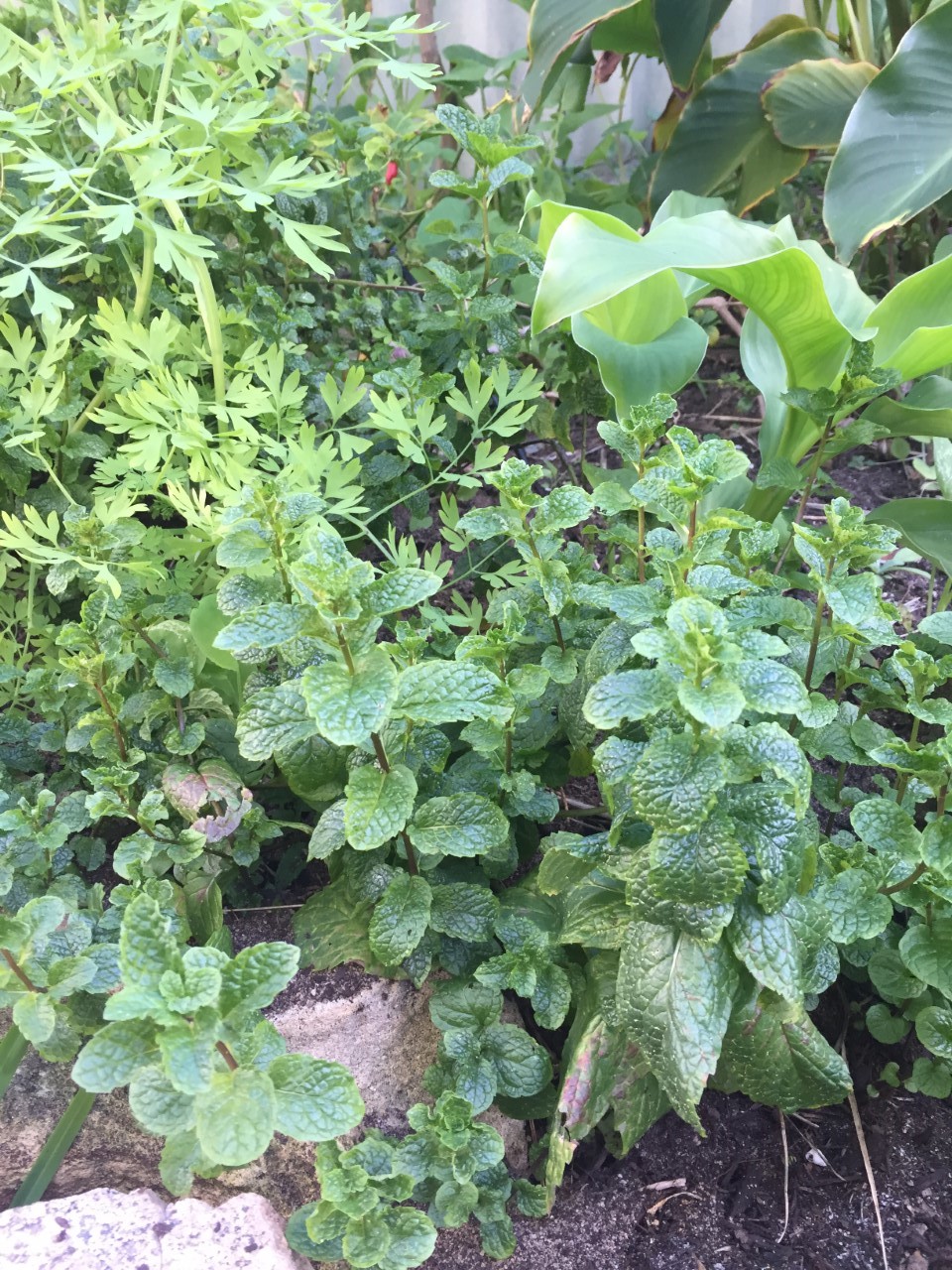



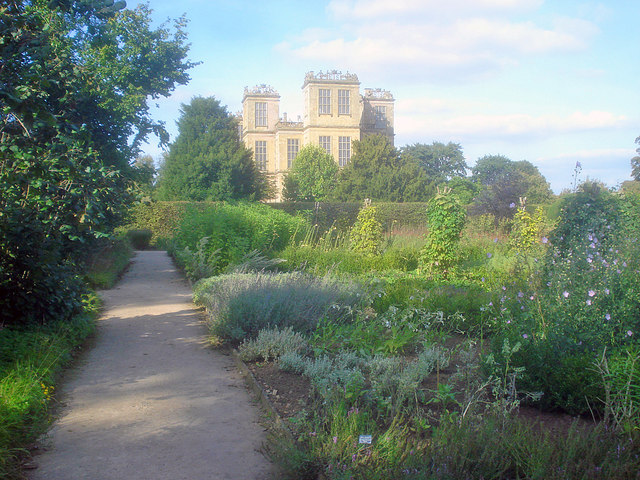
Botanical characteristics
Botanically, herbs are herbaceous—stems remain soft and green rather than forming persistent woody tissue. Typical plant parts harvested include leaves, stems, flowers, seeds and roots; each part contains specific compounds that determine culinary or medicinal use. Volatile oils concentrated in foliage and blossoms produce the distinctive aroma of many culinary and medicinal herbs.
The Latin root herba historically referred to grasses, green stalks or blades. In common usage, an herb can be any plant with a useful flavor, fragrance or therapeutic application rather than a strict botanical group.
Life cycle and growth habit
Herbs exhibit a range of life cycles. Many are perennials, regrowing from established roots each season; others are annuals, completing their life cycle within a single year and needing to be raised from seed for each season. Some behave as biennials, producing foliage the first year and flowers the second. Young stems are often fleshy or succulent, while older growth on some species may become partially woody.
Cultivation and propagation
Most herbs prefer well-drained soil and good sunlight, though shade-tolerant species exist. Common propagation methods include sowing seeds, taking cuttings, and dividing established plants. Gardeners choose containers, raised beds or in-ground planting according to climate and space.
- Propagation: seeds, cuttings, division.
- Soil and water: moderate water, good drainage, avoid waterlogging.
- Sunlight: many herbs prefer full sun; some like mint tolerate partial shade.
- Maintenance: regular harvesting often promotes fresh growth and delays flowering.
Harvesting and preservation
Leaves are commonly harvested just before flowering when essential oil content is high. Standard preservation methods include drying, freezing, brining or infusing into oils and vinegars. Proper drying in a warm, ventilated area and airtight storage preserves flavor and reduces spoilage.
- Harvest in the morning after dew dries for best aroma.
- Dry in small bunches away from direct sunlight.
- Label and date preserved materials to monitor potency over time.
Uses and safety
Herbs are central to culinary traditions worldwide and have long been used in systems of traditional medicine to relieve symptoms or support wellbeing. Some species are attributed with stimulant or aphrodisiac effects in folk practice. While culinary uses at normal food quantities are typically safe, concentrated extracts and high doses can be potent and sometimes interact with medications. Consult qualified healthcare sources before using herbs therapeutically.
Common examples and applications
Widely grown kitchen herbs include basil, rosemary, thyme, mint, sage, parsley, dill and cilantro. Others are cultivated for aromatic flowers, oils or as companion plants that attract pollinators and beneficial insects. Beyond cooking and medicine, herbs appear in perfumery, traditional rituals and modern horticulture for ecological benefits.
History and cultural context
Herb use has ancient roots: archaeological and textual evidence indicates organized cultivation and recorded uses in Mediterranean, East Asian and South Asian traditions. Over centuries, knowledge about cultivation, preparation and trade expanded, influencing cuisine, healing practices and commerce. Modern interest blends culinary, ornamental and scientific perspectives, with growers and researchers documenting active compounds and safe applications.
Further reading and resources are available for gardening techniques, culinary uses and safety guidance; consult reputable horticultural and medicinal references for detailed protocols and region-specific advice. For more general information about plant types, see related resources and introductory guides to herb cultivation. Additional practical tips and propagation advice can be found via local extension services or specialist publications linked here: plants overview, food uses, condiment categories, aromatic properties, ethnobotanical notes, etymology, historical terms, perennial care, annual species, seed sowing and medical considerations.
Herbs continue to be valued for their accessibility, sensory appeal and multiple uses in kitchens, gardens and cultural practices worldwide.
Questions and answers
Q: What are herbs?
A: Herbs are plants that can be grown as food, for medicinal purpose, or for spiritual reasons.
Q: What is the origin of the word herb?
A: The word herb comes from the Latin word herba, meaning grass, green stalks, or blades.
Q: What is the difference between the botanical and the popular use of the word herb?
A: Botanists use the word herb to mean any plant with soft, succulent tissues. However, many people use the word to mean only herbs with some economic value.
Q: How can some herbs act as an aphrodisiac?
A: Some herbs have properties that increase sexual desire.
Q: What is the lifespan of most herbs?
A: Most herbs are perennials, meaning that their top dies each growing season but their roots remain alive and produce new plants year after year.
Q: Are all herbs perennials?
A: No, some herbs are annuals, which means they only live for one growing season and need to be raised from seed each year.
Q: What are the characteristics of young herb stems?
A: Young herb stems are fleshy or juicy.
Related articles
Author
AlegsaOnline.com Herb: definition, characteristics, cultivation, uses and history Leandro Alegsa
URL: https://en.alegsaonline.com/art/43685