
Baltic states: Estonia, Latvia and Lithuania — geography, history, and modern life
Survey of the three Baltic states—Estonia, Latvia and Lithuania—covering geography, languages, history, political development, economy and notable cultural distinctions.
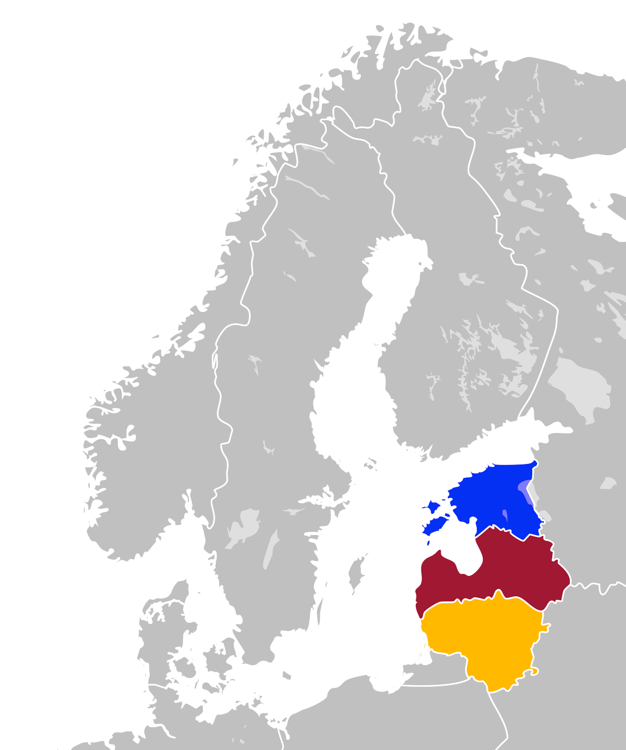
The term "Baltic states" commonly denotes three neighboring countries on the eastern shores of the Baltic Sea. From north to south they are Estonia, Latvia and Lithuania. Together they occupy a region of Northern Europe that forms a bridge between Scandinavia and Eastern Europe; the area and its waterways are often described with reference to the Baltic region and the Baltic Sea. The three states share many historical experiences but differ in language families, cultural influences and some social institutions. For general geographic orientation see regional maps and references.
Image gallery
10 Images



Geography, climate and population
Each country has a long coastline and a landscape of forests, lakes and low hills. Estonia reaches toward the Gulf of Finland and has numerous islands; Latvia has broad river plains and sandy coasts; Lithuania extends farther inland and borders other European states. Population size and density vary, and urban centres such as Tallinn, Riga and Vilnius serve as political, economic and cultural hubs. For demographic and environmental resources official statistics and regional studies provide further detail about languages and demographics.
Languages, religions and culture
Linguistically, Estonia differs from its southern neighbors: Estonian is a Uralic language related to Finnish, while Latvian and Lithuanian belong to the Baltic branch of Indo-European languages. These linguistic differences coexist with shared customs, folk traditions and Christian denominational patterns shaped by centuries of West European and Orthodox influence. Elements of pre-Christian belief persisted in folk calendar practices and revived interest in Baltic pagan traditions is visible among cultural historians and small communities discussing Baltic languages and heritage in Latvia or in Lithuania.
Historical outline
The modern states' histories include medieval integration into European trade and crusading orders, long periods under Swedish, Polish–Lithuanian, German and Russian rule, and dramatic 20th-century upheavals. In 1940 each republic was incorporated into the Soviet Union as the Estonian SSR, Latvian SSR and Lithuanian SSR; this episode remains a central and contested chapter in national memory. The path to restored independence culminated in 1990–1991 with declarations of sovereignty and international responses that are described in diplomatic records about Estonia, about Latvia and about Lithuania. Scholarly treatments and international statements examine the legality and politics of that era and sources provide context.
Modern politics, economy and international ties
Since the 1990s the three countries have pursued market reforms, joined the European Union and NATO in 2004, entered the Schengen Area and adopted the euro at different dates. These choices reflect strategic priorities about security, trade and mobility and are often discussed in works on European integration and NATO relations. Today they are categorized among the Baltic and Northern European economies, with advanced digital services in Estonia, important transit and logistics roles in Latvia and agricultural and industrial sectors in Lithuania. Comparative studies and policy briefs track social and economic indicators and trade links across the region.
Notable distinctions and contemporary importance
The Baltic states are notable for a combination of shared history and distinct identities: different language families, varying religious traditions, and individual political cultures. They have robust civil societies, active cultural preservation efforts and visible roles in regional security debates. Visitors and researchers often focus on preserved medieval centres, intangible folk heritage and contemporary technological development. For further reading and primary sources consult academic overviews, government portals and curated collections on history, on culture, on law and sovereignty, and on economic development.
- Overview and maps
- Language and culture resources
- EU and NATO accession background
- Soviet-era and legal perspectives
- Contemporary policy analyses
Additional specialized topics include local folklore and pagan survivals in ritual studies, urban architecture and preservation in Tallinn, Riga and Vilnius, language policy and minority rights, regional security cooperation and NATO integration, and cross-border economic networks linking ports and logistics. For curated external references and introductions to further material, consult collections and bibliographies compiled by research centers.
Related articles
Author
AlegsaOnline.com Baltic states: Estonia, Latvia and Lithuania — geography, history, and modern life Leandro Alegsa
URL: https://en.alegsaonline.com/art/8601