
Baltic Sea: Geography, Ecology, History and Human Uses
The Baltic Sea is a shallow, brackish inland sea in northern Europe. This article covers its geography, physical traits, ecology, historical role, economic uses and modern environmental challenges.
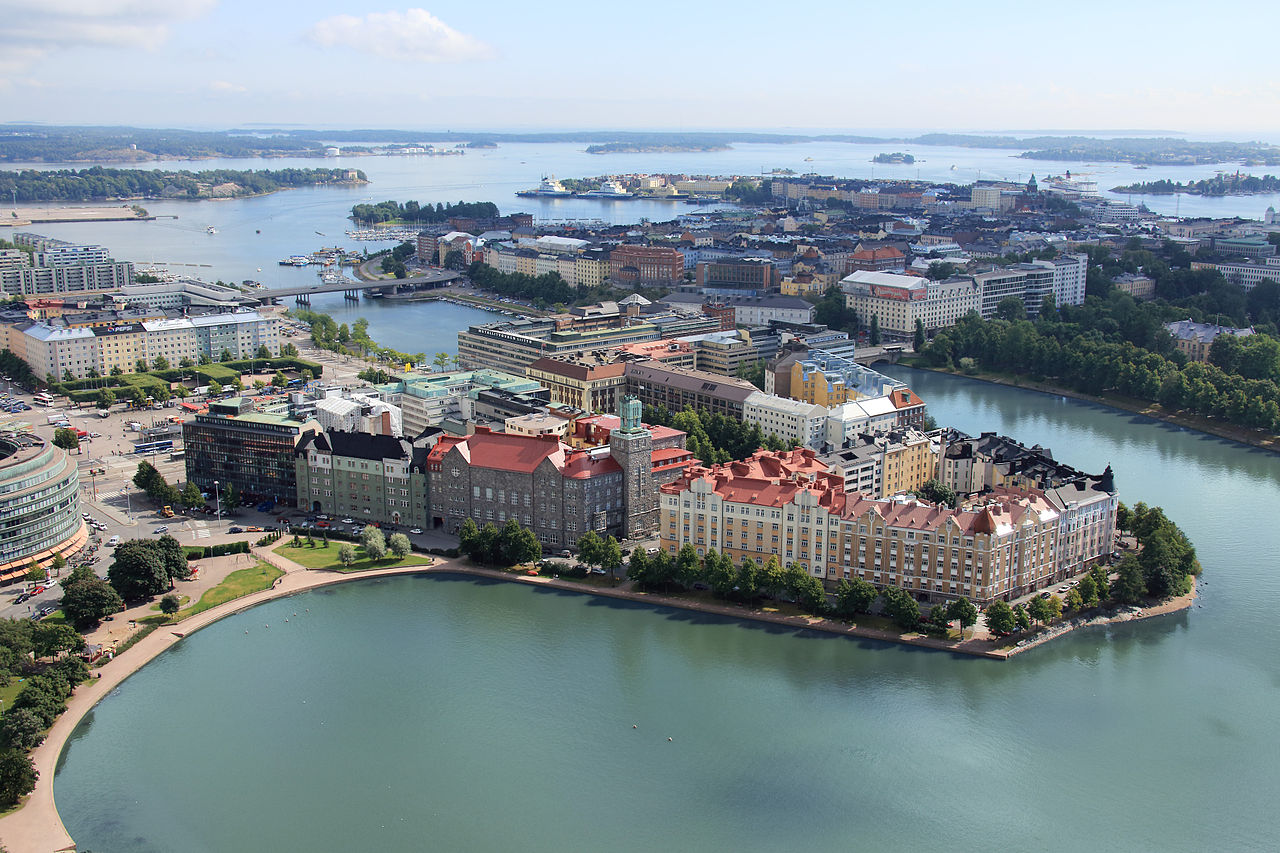
The Baltic Sea lies in northern Europe, bounded by Scandinavia, Finland, Russia, the Baltic states and the shores of Poland and Germany. It communicates with the wider ocean only through the shallow and constricted Danish straits and belts, which strongly influence circulation and limit the influx of saline water. The restricted exchange produces characteristic low salinity (brackish conditions) across much of the basin. Archipelagos between Sweden and Finland are a notable feature, and in winter ice sometimes supports seasonal routes across island chains (archipelagos). The sea and its shores form an integral part of modern European geography and culture.
Image gallery
10 Images



Physical characteristics
The Baltic is a semi-enclosed, relatively shallow sea with distinct sub-basins and gulfs. Major divisions include the Gulf of Bothnia, Gulf of Finland and Gulf of Riga, and several islands such as Gotland and the Åland archipelago punctuate its surface. Many large rivers — notably the Vistula, Oder and Neva — discharge freshwater and sediments, creating pronounced gradients of salinity, temperature and water chemistry from the Danish straits to the northern and eastern ends.
Ecology and environmental issues
Brackish conditions mix marine and freshwater species, producing a distinctive but vulnerable ecosystem. Common commercial species include herring and sprat; cod occurs in deeper, saltier parts. Because water exchange with the open ocean is limited, oxygen renewal in deep basins is slow. Nutrient runoff from agriculture, wastewater and industry has caused eutrophication, recurring algal blooms and zones with low oxygen where sea life struggles to survive. These problems are transnational, so international cooperation governs monitoring and mitigation efforts.
History and human uses
The Baltic has linked peoples and economies for millennia. It was a corridor for trade and cultural exchange in the Viking era and later for the Hanseatic League's merchant networks. Today the sea remains busy with commercial shipping, ferry services, fishing, tourism and ports such as Stockholm, Helsinki, Saint Petersburg, Gdańsk and Riga. Coastal cities and communities have developed traditions tied to the sea, from boatbuilding to seasonal ice travel among islands.
Distinctive facts and contemporary importance
- Relative youth: the sea and its coastlines were shaped by the last glacial retreat and subsequent land uplift.
- Brackish character: ranges of salinity create sharp ecological boundaries and specialized habitats.
- Geopolitical role: shared access has fostered trade, cultural links and cooperative environmental management.
Preserving the Baltic Sea requires coordinated policies across its many littoral states, balancing economic uses with measures to reduce pollution, restore habitats and manage fisheries sustainably. Its mix of natural features, human history and current challenges makes the Baltic a region of both ecological sensitivity and enduring maritime importance.
Related articles
Author
AlegsaOnline.com Baltic Sea: Geography, Ecology, History and Human Uses Leandro Alegsa
URL: https://en.alegsaonline.com/art/8599