
Bamyan Province: geography, people, history and cultural heritage
Bamyan Province is a central Afghan region known for its Hazara majority, highland landscapes, Silk Road history and the ruined Buddhas of Bamiyan, a focal point for archaeology, tourism and cultural memory.
Overview
Bamyan Province lies in the high central plateau of Afghanistan and forms the heart of the Hazarajat region. Its administrative centre is the city of Bamyan, a market and service town that serves surrounding valleys and villages. The province has a predominantly Hazara population, with smaller communities of Tajiks and Pashtuns. Estimates place the population at roughly 450,000 people around 2020, distributed among scattered settlements, seasonal pastures and a few larger towns.
Image gallery
10 Images






Geography and people
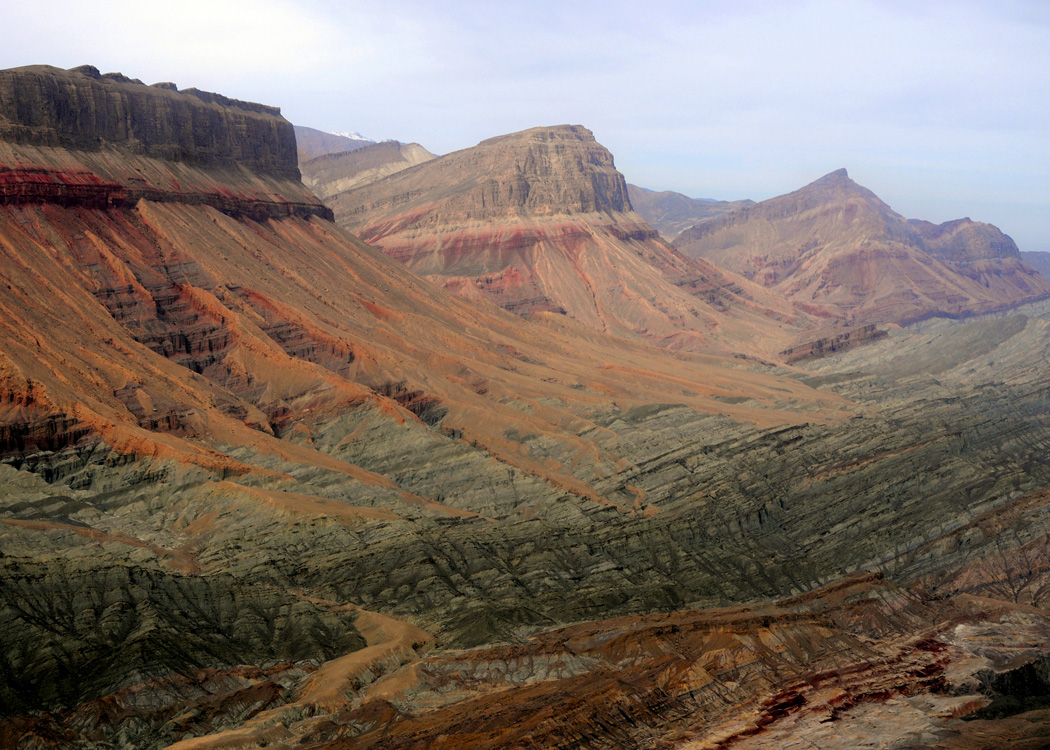
The province is characterized by rugged mountains, broad valleys and a mix of steppe and irrigated agricultural land. High-altitude plateaus and seasonal rivers shape local livelihoods. The Hazara community has cultural and linguistic ties expressed in local traditions, crafts and agricultural practices. Speakers of Persian varieties are common; the province name appears in Persian scripts and speech. Bamyan remains one of Afghanistan's less densely populated provinces but has central importance for the ethnic and cultural landscape of the country as a whole (Afghanistan).
History and the Buddhas
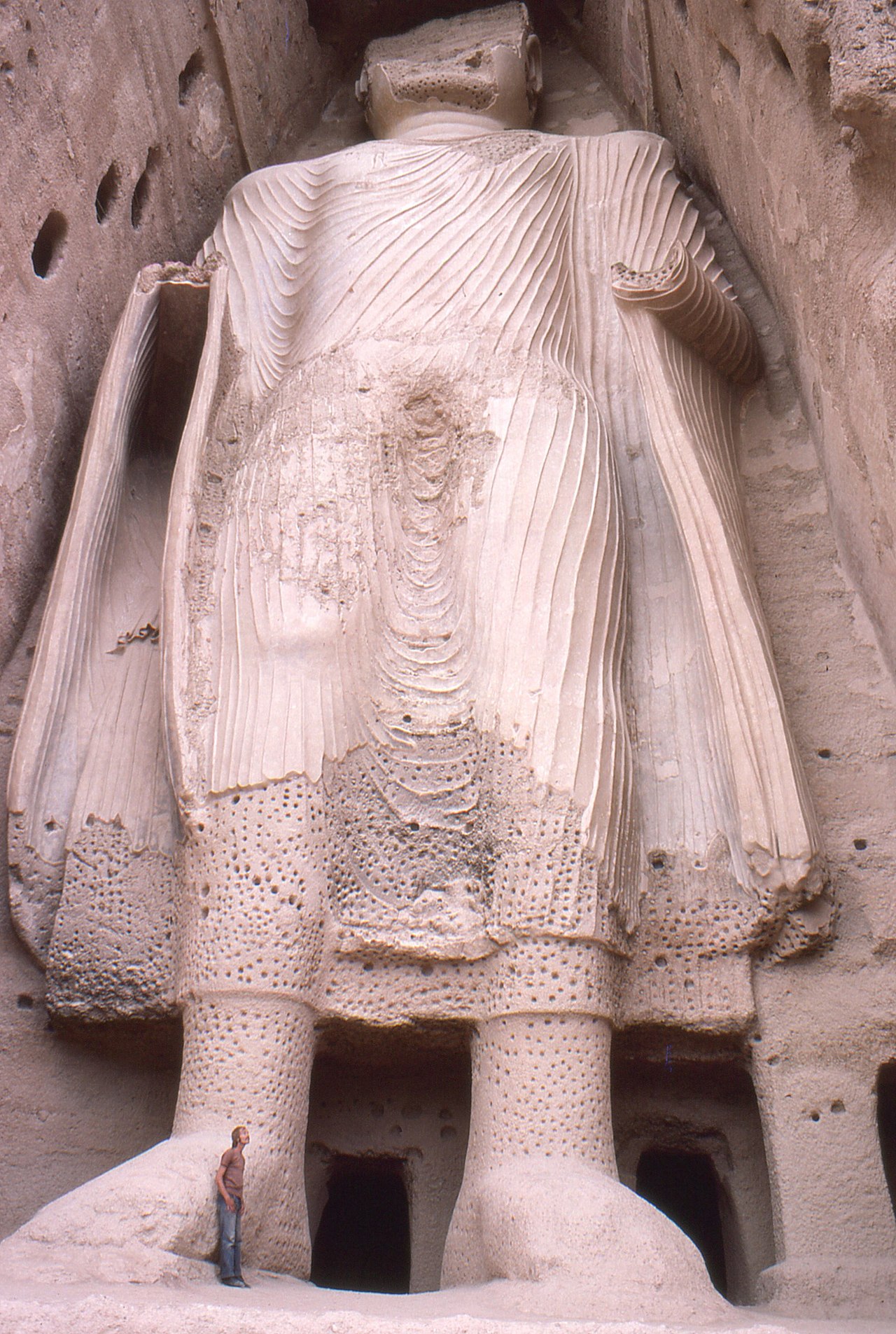
Bamyan's valleys were once a crossroads on corridors of east–west exchange. Caravans and pilgrims traveled routes that linked South Asia and East Asia with western Iran and the Mediterranean world, often identified broadly with the historic Silk Road. For many centuries Buddhism flourished here, leaving a rich archaeological record of monasteries and cliff-cut statues. The site most widely known outside the country were the monumental statues often called the Buddhas of Bamiyan. These standing figures and their surrounding monastic complexes reflected Buddhist influence along routes connecting India and China with the Iranian plateau and points west toward the Mediterranean and Europe. Those statues and many related monuments were deliberately destroyed under Taliban rule in 2001, an event that drew international attention to Bamyan's archaeological and cultural fragility.
Cultural heritage and conservation
Despite wartime damage, Bamyan retains a concentration of archaeological remains, cave complexes and carved niches. The legacy of Buddhism is visible in surviving fragments of religious architecture and in the place names and traditions associated with ancient monastic life. Local and international bodies have since focused on conservation, documentation and community-based tourism as ways to protect and interpret the landscape. Visitors encounter ruined niches, museum collections and ongoing efforts to record and preserve rock art and archaeological layers.
Economy, daily life and tourism
Most residents base their livelihoods on agriculture, pastoralism and small-scale trade; seasonal migration to urban centres also supports household incomes. Traditional crafts, such as carpet weaving and metalwork, are produced for local use and sale. Bamyan has become a modest tourist destination within Afghanistan for domestic and international visitors interested in history, trekking and cultural experiences, though access and services remain limited. Local authorities and development groups emphasize sustainable projects that benefit rural communities while preserving heritage.
Notable facts and distinctions
- Bamyan is the largest province within the central Hazarajat region and a cultural center for the Hazara people.
- The province demonstrates long-range contacts along historic trade and pilgrimage routes and the mixed religious history that followed those connections, including major Buddhist sites and former Buddha statues and monasteries.
- Today Bamyan symbolizes both rich archaeological heritage and the challenges of protecting cultural sites amid political instability. Conservation, local development and education are focal points for those working in the province.
For general orientation and further reading about the region, its archaeology and contemporary life, see resources that document Bamyan's landscapes, people and cultural programs (Persian, Afghanistan, Bamyan, Bamyan city, Buddhas, Taliban, strategic, Silk Road, India, China, Mediterranean, Europe, Buddhism, Buddha, monasteries).
Questions and answers
Q: What is Bamyan Province?
A: Bamyan Province is one of the thirty-four provinces of Afghanistan located in the center of the country.
Q: What is the capital city of Bamyan Province?
A: The capital city of Bamyan Province is also called Bamyan.
Q: Who are the main inhabitants of Bamyan Province?
A: The main inhabitants of Bamyan Province are Hazaras, with fewer Tajiks and Pashtuns.
Q: How many people lived in Bamyan province in 2020?
A: About 450,000 people lived in Bamyan province in 2020.
Q: What was strategically important about this province in the past?
A: In the past, this province was strategically important because it was on a major trade route known as the Silk Road which linked Asian countries such as India and China with Persia, Mediterranean and Europe.
Q: Was Buddhism common here before Taliban rule?
A: Yes, Buddhism used to be common here before Taliban rule and there were many Buddha statues and monasteries.
Q: What happened to these monuments during Taliban rule?
A: During Taliban rule these monuments were destroyed.
Related articles
Author
AlegsaOnline.com Bamyan Province: geography, people, history and cultural heritage Leandro Alegsa
URL: https://en.alegsaonline.com/art/8645
Sources
- world-gazetteer.com : "World Gazetteer"
- nps.edu : Cultural and conflict Studies, Bamyan Province
- mrrd.gov.af : Bamyan provincial profile
- news.bbc.co.uk : British Broadcasting Corporation : Putting Bamyan Back on the Map
- fao.org : Afghanistan Geographic & Thematic Layers