
Gulf of Finland: geography, cities, ecology and human use
The eastern arm of the Baltic Sea between Finland and Estonia, extending toward Russia. Covers geography, salinity, ports (Helsinki, Tallinn, St. Petersburg), history, shipping and environmental issues.
Overview
The Gulf of Finland is the easternmost extension of the Baltic Sea, stretching roughly east–west between the coastlines of Finland to the north and Estonia to the south. Its eastern end reaches into the vicinity of northwestern Russia, where the city of St. Petersburg stands at the mouth of the Neva River. Major national capitals — Helsinki and Tallinn — lie on its northern and southern shores and have long depended on the gulf for trade, fishing and transport.
Image gallery
10 Images


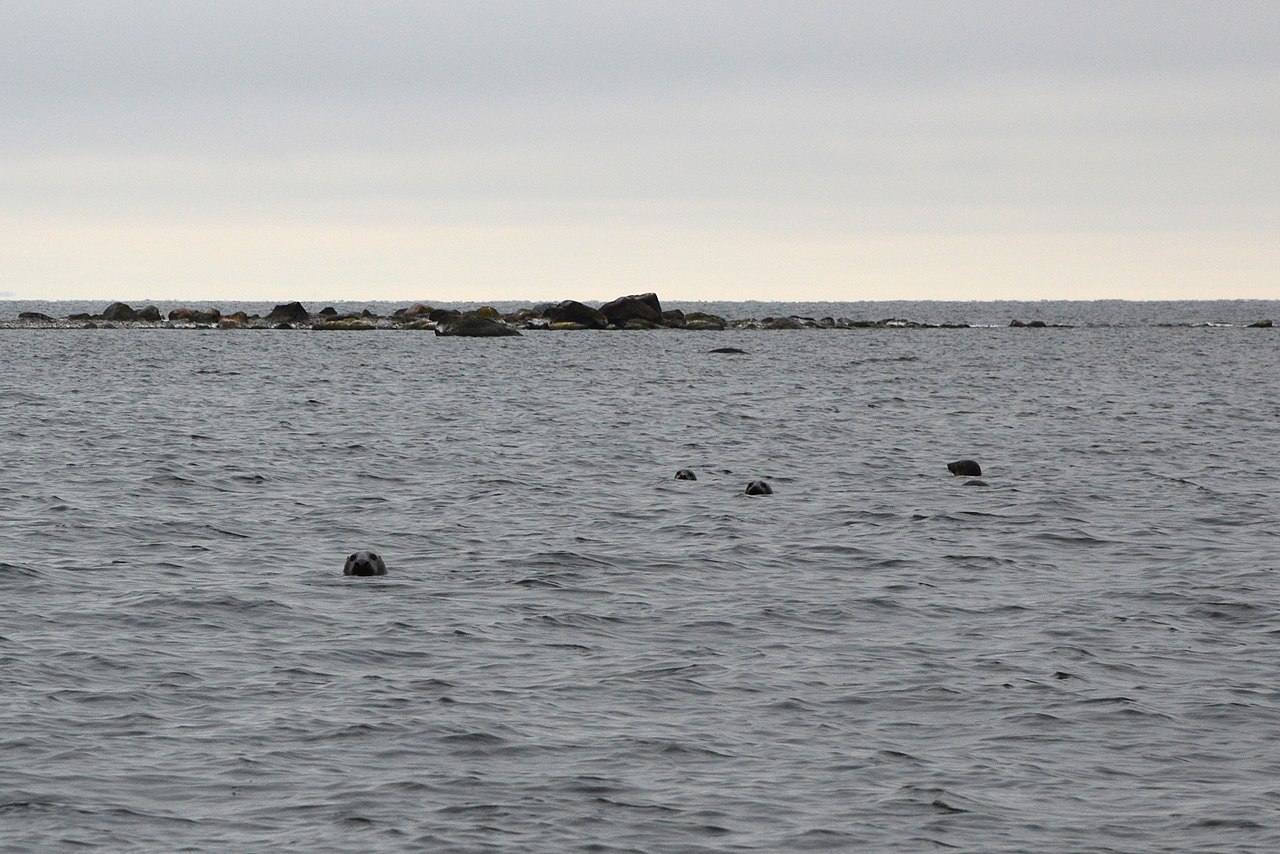

Physical characteristics
The gulf is a relatively shallow, elongated basin that narrows toward the east. Salt content and water properties vary along its length: western waters are influenced by the more saline waters of the central Baltic, while the eastern basin is fresher because large rivers, most notably the Neva, deliver substantial freshwater input. Seasonal ice cover appears in many winters, especially in the eastern and northern parts, and conditions can change markedly with wind and weather.
Ports, transport and human use
For centuries the gulf has been an important seaway for merchant shipping, ferries and naval fleets. The ferry links between Helsinki and Tallinn are among the busiest short international routes in the area, and container, bulk and passenger traffic also connects the gulf to broader Baltic and North Sea routes. St. Petersburg functions as the principal Russian port on the gulf, including access to hinterland river traffic.
Ecology and environmental issues
The gulf supports coastal and marine habitats including shallow bays, reed beds and offshore communities of fish and invertebrates. Intensive human activity brings environmental challenges: nutrient runoff from agriculture and urban areas can drive eutrophication, while industrial discharges, maritime accidents and legacy contaminants have raised local concerns. Efforts to monitor and reduce pollution involve regional cooperation among the littoral states and international organizations.
History and cultural significance
Historically the gulf has been a strategic corridor for trade and military operations, shaping the development of fortifications, port towns and maritime cultures on both shores. Cities along the gulf grew as trading hubs and naval centers; their architecture and urban layouts still reflect centuries of seafaring, commerce and cross-Baltic contacts.
Notable features and distinctions
- Major coastal cities: Helsinki, Tallinn, St. Petersburg.
- Hydrology: gradual salinity decline toward the east due to river inflow (notably the Neva).
- Seasonal ice and strong seasonal variability in navigation and ecology.
- Transnational environmental management involving Finland, Estonia and Russia as well as wider Baltic cooperation.
Readers seeking nautical charts, conservation plans or further historical details may consult regional maritime authorities and academic summaries that cover shipping lanes, fisheries management and the ongoing efforts to balance economic use with protection of the gulf's marine environment. For introductory resources, see national port authorities and regional Baltic cooperation portals.
Related articles
Author
AlegsaOnline.com Gulf of Finland: geography, cities, ecology and human use Leandro Alegsa
URL: https://en.alegsaonline.com/art/41370