
Safe (container)
A safe is a secure, usually metal container for protecting valuables from theft, fire and water. Covers construction, locks, ratings, installation, vaults, standards and guidance for choosing and maintaining safes.
Overview
A safe is a purpose-built container intended to keep important items secure and intact. People use safes to protect cash, legal documents, irreplaceable records and small valuables from threats such as damage or loss caused by fire and theft. Most household and business safes are compact, box-shaped units fitted with a lock or other access control. Some models are specifically designed to resist high temperatures, while others prioritise physical attack resistance.
Image gallery
9 Images



Construction and security features
Safes are typically heavy and made of robust materials. Common examples include cold-rolled steel or composite materials that are described broadly as a strong substance. Manufacturers combine plate thickness, internal linings, insulation and concrete infill to slow and frustrate forced entry. A secure safe is engineered to resist common burglary methods such as leverage with crowbars, impact from hammers, boring with drills, manipulation of mechanical systems or defeat of electronic systems and lock picks, along with other intrusive tools.
- Lock types: mechanical dial, electronic keypad, biometric and combination systems, each with trade-offs for speed and resistance.
- Physical features: multi-point boltwork, relocking devices, anti-drill plates and reinforced doors to delay attackers.
- Installation choices: freestanding models, units bolted to a floor or wall, or safes built into furniture or walls for concealment and anchoring.
Fire, water and rating systems
Two separate rating regimes commonly apply: burglary resistance and fire protection. Manufacturers and testing organisations issue security levels or grades that indicate how resistant a unit is to attack. Fire ratings describe how long a safe will maintain an internal temperature below critical thresholds in a typical structure fire. A widely used benchmark is the time until the interior reaches roughly 175 degrees Celsius, the approximate point at which ordinary paper and wood combust or suffer irreversible damage; this temperature threshold is commonly referenced by testers. Common fire ratings range from short intervals (for example 15 minutes) up to several hours. Some safes are also made to be waterproof or at least water-resistant to protect contents from flooding or from water used by firefighters.
Types, uses and examples
Safes vary by intended use. Lightweight fire safes keep documents safe from heat but may lack strong attack resistance; these can be secured with a simple latch or even a padlock. Heavier-duty units, often rated to resist professional attacks, are common in retail, offices and homes where high-value items are stored. Businesses use specialised safes for cash handling, records retention and secure storage of controlled items. Large, building-integrated units are generally called vaults and may consist of one or more reinforced rooms with dedicated doors, environmental control and alarm integration.
Standards, testing and certifications
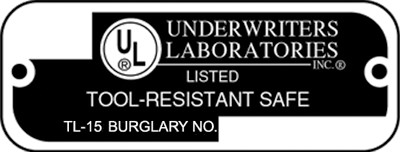
Independent testing bodies and standards organisations evaluate safes for both burglary and fire resistance. Tested units receive ratings or grades that help buyers compare products, and insurers often refer to these classifications when setting cover conditions. Industry standards describe test methods, required test durations and attack tools that may be used during assessment. Product datasheets and certification labels from manufacturers typically identify which tests a safe has passed.
Choosing, installing and maintaining a safe
When selecting a safe, consider the most likely hazards: a quick opportunistic burglar, a prolonged targeted attack, a structural fire, or flood. Balance burglary grade with fire rating and size needed for contents. Installation is important: an otherwise robust unit that is not secured can be removed and attacked off-site. Many safes include pre-drilled anchor points so they can be bolted to concrete or timber floors; concealment and fixed installation increase security. Regular maintenance includes replacing batteries for electronic locks, exercising mechanical locks, inspecting door seals and anti-tamper devices, and ensuring combination changes are recorded securely.
Vaults and large-scale storage
Vaults are large secure rooms or areas built into buildings. They use specialised doors, thicker walls and integrated alarm and environmental systems to protect large volumes of valuables or records. Banks, museums and high-security facilities commonly use vaults with controlled access, monitoring and procedural safeguards in addition to strong physical construction.
Practical considerations and further reading
Decide what you will store, how often you need access, and how much weight and space you need. Consider insurance requirements and whether a particular security level or certification is mandated. For more detailed guidance consult manufacturers' guides, product test reports and standards organisations; many producers publish technical specifications and installation advice. Retailers and professional fitters can advise on anchoring and site-specific considerations, and industry groups provide comparison information and tested performance data (container and standards references are commonly available from manufacturers and certifying bodies).
Related articles
Author
AlegsaOnline.com Safe (container) Leandro Alegsa
URL: https://en.alegsaonline.com/art/85202