
Box (container): types, materials, uses, and history
A box is a container—typically a rectangular or cuboid enclosure—used for storage, transport, display and many other purposes. This article describes forms, materials, uses, history and distinctions.
A box is a closed or partially enclosed container designed to hold, protect or present items. In everyday language a box often implies a prism-shaped receptacle, but boxes occur in many geometries and sizes. They range from small jewelry boxes to large shipping containers and may be temporary and disposable or durable and reusable. The basic idea is to provide separation, protection and organisation of contents.
Image gallery
10 Images




Form and characteristics
Most boxes are built around simple geometric forms such as a rectangular prism or cuboid; the cuboid form is commonly called a crate or carton when used for shipping. When a box takes a flat, two-dimensional outline it is sometimes described as a rectangle or, in drafting, as the perimeter or outline of the object. Typical attributes used to describe boxes include internal volume, wall thickness, closure type (lid, flap, hinge), and whether it is rigid or collapsible.
Materials and construction
Boxes are manufactured from a wide variety of materials chosen for strength, cost, weight and aesthetics. Common materials include:
- Cardboard and corrugated fiberboard: lightweight, inexpensive, widely used for packaging and shipping.
- Wood: used for crates, furniture boxes and decorative chests where durability is required.
- Plastic: offers waterproofing, repeated reuse and complex moulded shapes for specialised storage.
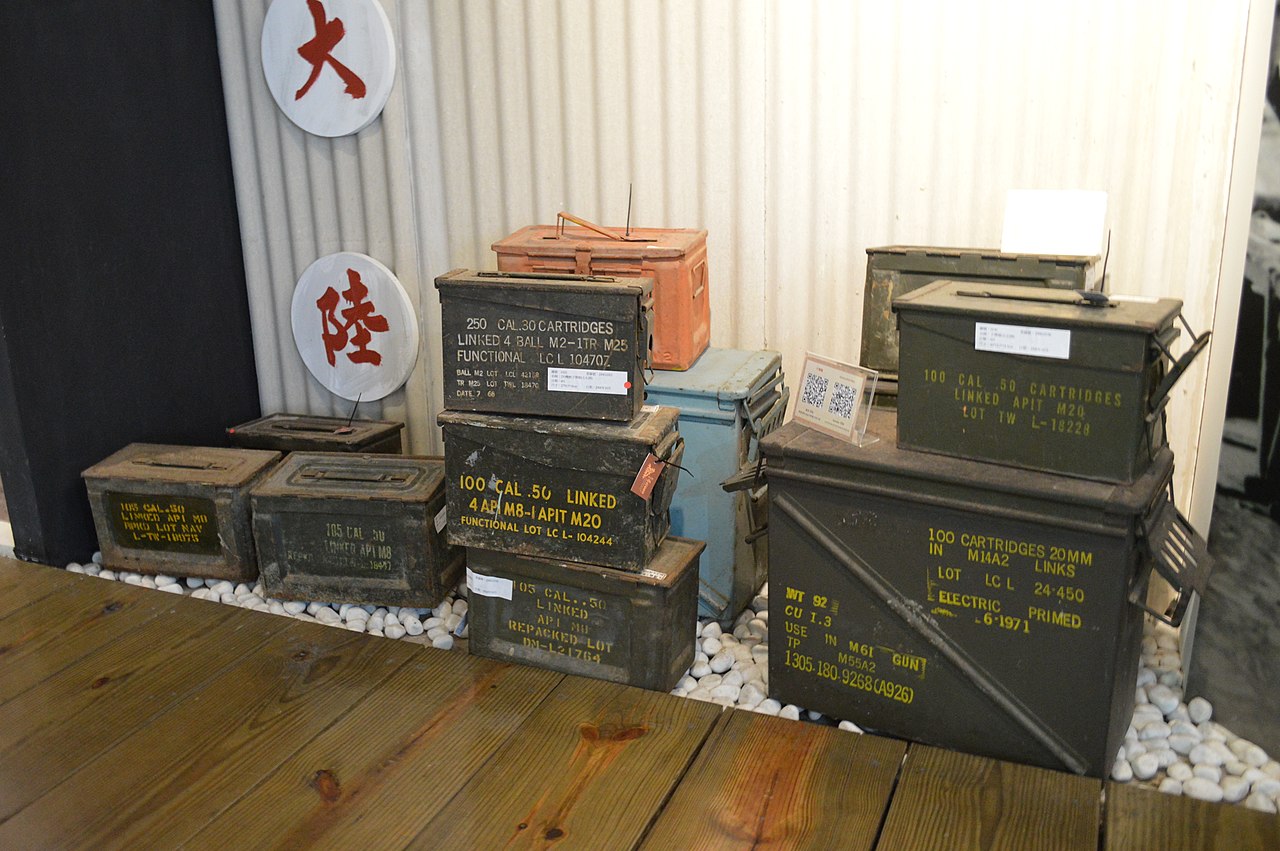
- Metal: steel or aluminium boxes provide strong, long-lasting protection for tools, instruments and hazardous materials.
Cardboard boxes are often produced by cutting and folding sheets into a flat-packed form that can be assembled when needed; other boxes are cast, welded, nailed or glued depending on the material and application.
History and development
The use of containers dates back to antiquity in forms such as wooden chests and pottery, but the modern cardboard box became widespread in the 19th and 20th centuries with advances in paper production and corrugation. Industrialisation and global trade increased the need for standardised, stackable packaging. Over time design innovations introduced features such as interlocking flaps, cushioning inserts and tamper-evident closures, responding to logistic and retail requirements.
Uses and examples
Boxes serve many roles across domestic, commercial and industrial contexts. Typical uses include:
- Packaging for sale and transport of consumer goods, from food to electronics.
- Storage and organisation in homes, offices and archives.
- Protective enclosures for shipping, often paired with padding and fasteners.
- Specialised applications such as insulated coolers, toolboxes and instrument cases.
Beyond practical functions, boxes have cultural and creative uses: children build toys and forts from cardboard, artists use boxes in installations, and boxes frequently appear in product design as part of presentation and branding.
Variations, terminology and notable distinctions
Terms such as box, crate, case and carton overlap but have different connotations. A carton often refers to a paperboard or thin cardboard container used for retail; a crate and a pallet box suggest heavy-duty shipping use; a case may indicate a fitted protective enclosure. When emphasizing geometric form, writers may call the shape a cuboid or describe the two-dimensional outline as a rectangle. The word container is widely used in logistics to mean any receptacle for holding goods.
Environmental and practical considerations
Material choice affects durability, recyclability and environmental footprint. Cardboard is often recyclable and compostable, while plastics and metals require different handling and can be recycled when facilities exist. Designers increasingly consider reuse, right-sizing to reduce wasted space, and the use of recycled content. For shipping, staging and storage, box strength is matched to expected loads and handling conditions.
Further reading and resources

Related articles
Author
AlegsaOnline.com Box (container): types, materials, uses, and history Leandro Alegsa
URL: https://en.alegsaonline.com/art/13487
Sources
- commons.wikimedia.org : Boxes
- thegaylordboxexchange.com : "Cardboard Box"