
Lock (security device): types, history, and uses
Mechanical or electronic device that restricts access to doors, containers, or mechanisms; covers common types, components, history, uses, and security considerations.
Overview
A lock is a mechanical or electronic device designed to prevent access, movement, or manipulation of an object unless released by an authorized action. Locks are used to secure doors, cabinets, boxes, vehicles and many kinds of equipment. While the word also names hydraulic structures that raise and lower boats, for those see locks on waterways and Lock (water transport). Traditional locks are operated with keys, while modern systems often use PINs, cards or wireless credentials such as electronic cards and mobile tokens.
Image gallery
10 Images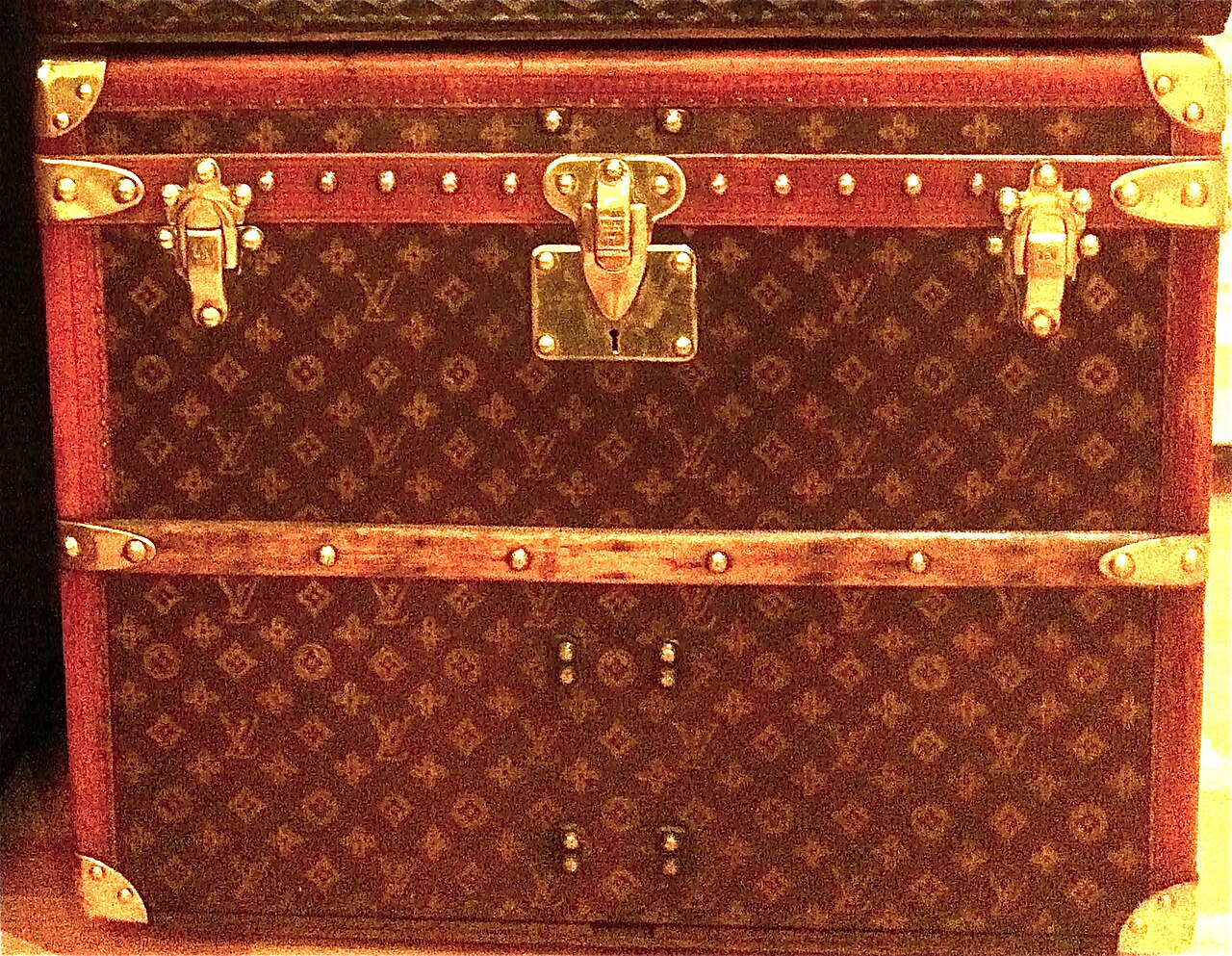


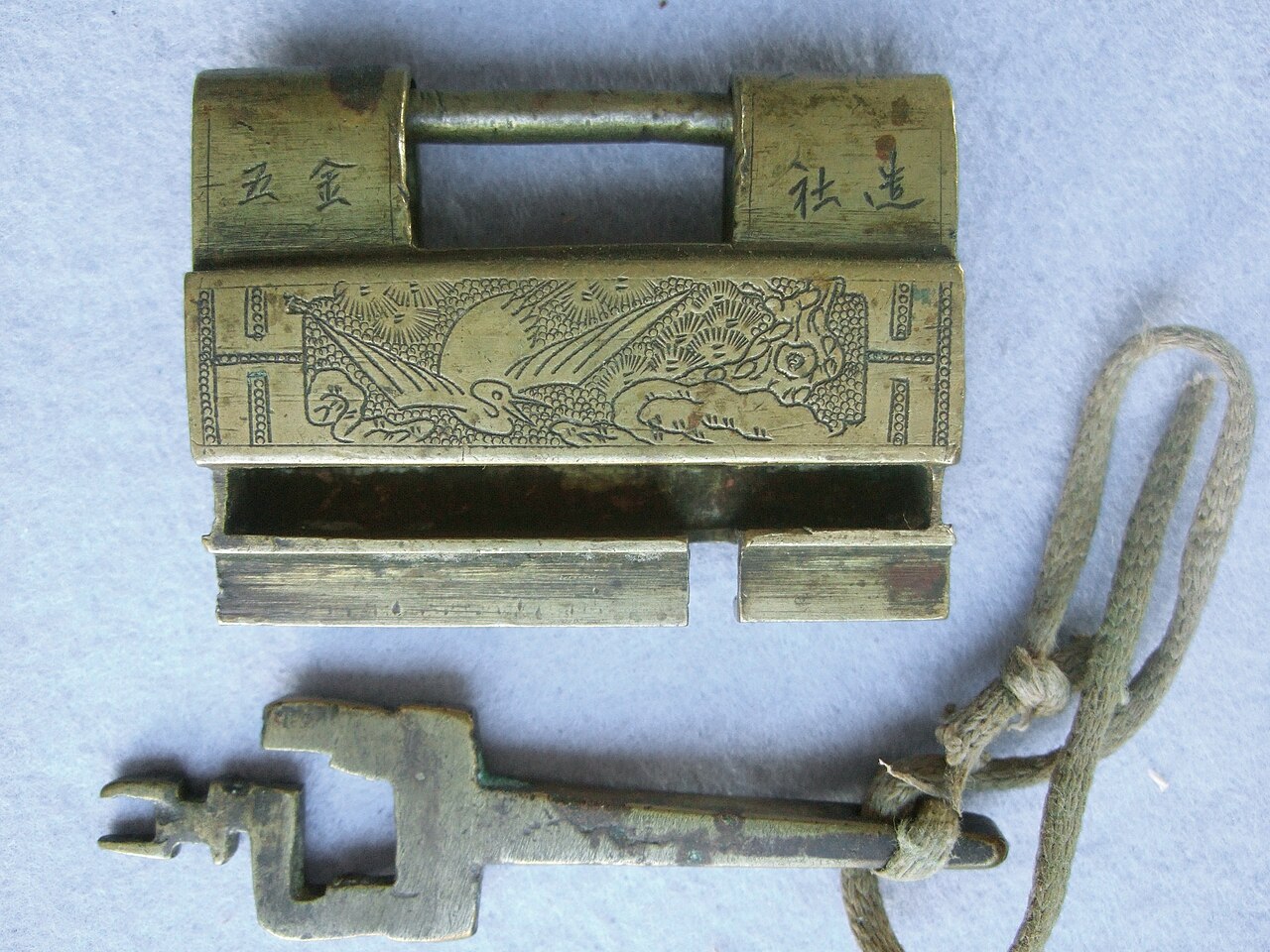


Types and main components
Locks vary widely in design but share common elements: a casing, a bolt or latch that secures the object, and an internal mechanism that controls the bolt. Major categories include:
- Mechanical cylinder locks (pin-tumbler, wafer, lever)
- Padlocks and deadbolts for doors and gates
- Combination locks that use numeric or sequence inputs
- Electronic and electromechanical locks with keypads, cards or wireless access
History and development
Locking devices have existed for millennia. Early examples appear in ancient civilizations where wooden or metal mechanisms secured chests and doors. Over centuries designs evolved: wards and lever systems in the medieval period, precision pin-tumbler concepts in antiquity refined into modern cylinder locks, and the 19th–20th centuries saw mass-produced secure locks and the later introduction of electrical control and digital authentication.
Uses, importance and examples
Locks serve practical, legal and commercial roles: they provide safety and privacy for homes and businesses, protect assets in transit or storage, and enable regulated access control in buildings and infrastructure. Examples range from a simple luggage padlock to integrated access-management systems used by hotels, offices and transportation hubs.
Security, vulnerabilities and professional care
All locks have strengths and limitations. Mechanical wear, poor installation or weak designs reduce effectiveness. Attacks on locks vary in approach; designers and standards bodies aim to limit exploitability while locksmiths and manufacturers improve resilience. Locksmiths are trained to install, maintain and repair locks and to advise on appropriate security grades and legal requirements.
Standards, maintenance and notable facts
Standards and certifications describe performance under force, resistance to manipulation, and durability. Regular maintenance—lubrication, alignment and timely replacement—extends service life. While no system is invulnerable, choosing the right lock for the risk, following recognized standards, and combining mechanical devices with access control and monitoring yields the most reliable protection.
Questions and answers
Q: What is a lock?
A: A lock is a device that keeps things closed and prevents people from opening something.
Q: What opens locks?
A: Keys, electronic cards or secret numbers can open locks.
Q: What does the verb "to lock" mean?
A: The verb "to lock" means to set the lock so the door or object is closed.
Q: What is a locksmith?
A: A locksmith is a person who works on locks.
Q: Can a lock be used on a river or canal?
A: Yes, there are locks specifically used for water transport on a river or canal.
Q: What does a lock prevent people from doing?
A: A lock prevents people from opening something, such as a door or a box.
Q: What keeps locks closed?
A: The lock itself keeps things closed once it is set.
Related articles
Author
AlegsaOnline.com Lock (security device): types, history, and uses Leandro Alegsa
URL: https://en.alegsaonline.com/art/58767
Sources
- lockpickguide.com : Lockpickguide.com