
Room (interior space)
A room is an enclosed interior area within a structure or building, typically bounded by walls and assigned a use such as sleeping, cooking, bathing or working.
Overview
A room, sometimes called a chamber, is an interior space contained within a larger structure or building. In conventional construction a room is defined by boundaries such as a floor and a ceiling and usually by enclosing elements like walls. Rooms vary widely in size, proportion and openness: some are fully enclosed, others are partially separated by partitions or furniture.
Image gallery
8 Images

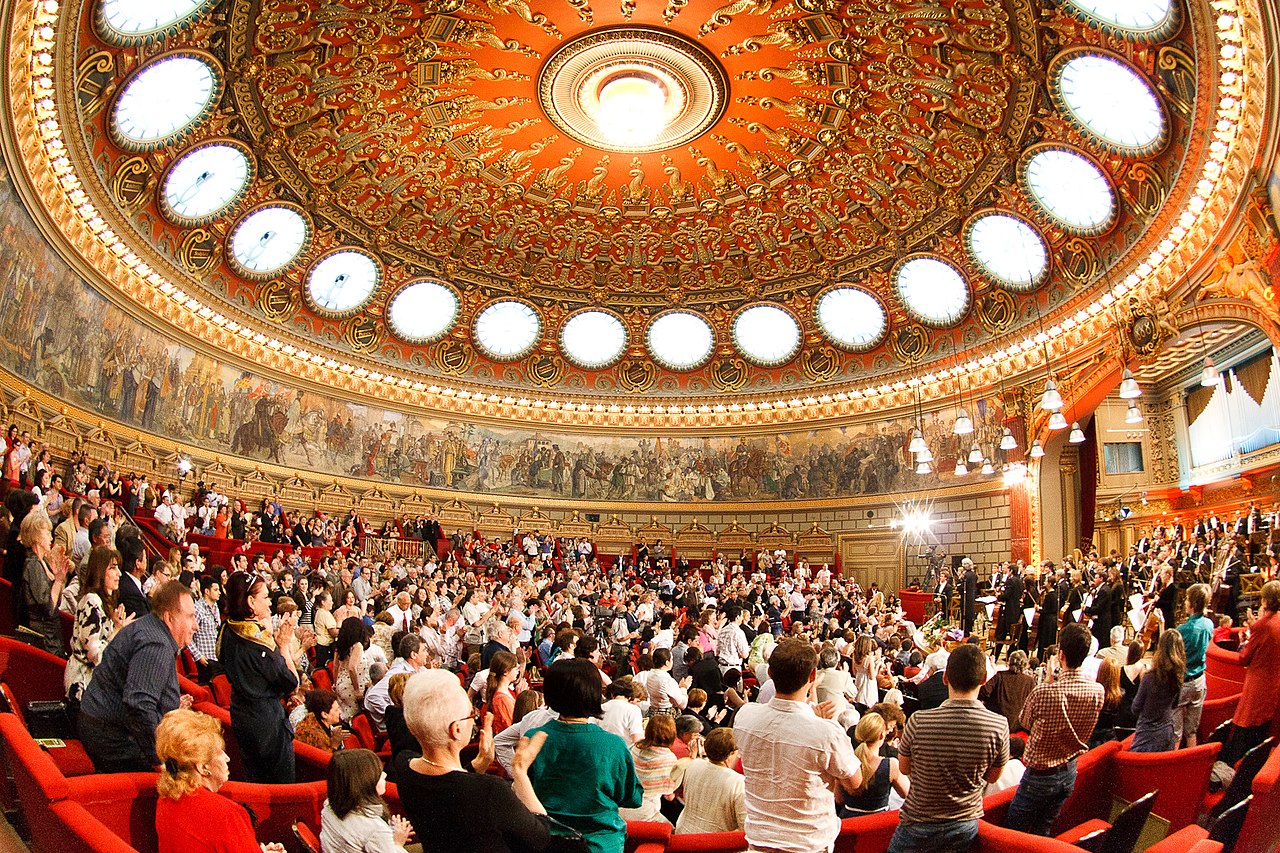


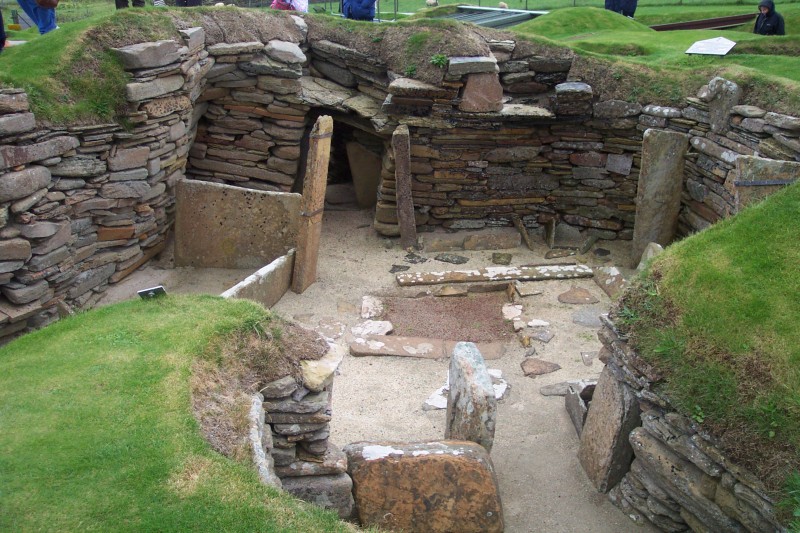
Characteristics and components
Typical components of a room include doors, windows, fixed fittings (cabinets, sinks, radiators), floor coverings and lighting. A room's function influences these elements: plumbing and ventilation are essential for wet rooms, while storage and privacy matter more in sleeping quarters. Acoustics, natural light, thermal comfort and circulation are common design considerations.
History and development
The concept of discrete rooms evolved as dwellings became more complex. Early shelters often consisted of single multipurpose spaces; over time societies developed specialized rooms for sleeping, cooking and worship. Medieval and early modern houses introduced separate chambers and service areas; the Industrial Revolution and modern building systems further diversified room types. Contemporary architecture also explores open-plan arrangements that blur traditional room boundaries.
Common room types and uses
- Bedroom — a space devoted to sleeping and personal storage.
- Kitchen — contains cooking facilities, sinks and food preparation areas.
- Bathroom — fitted with fixtures for bathing, washing and sanitation.
- Living room, dining room, study, utility rooms and storage rooms — each tailored to a particular household or commercial activity.
Beyond residential uses, rooms serve educational, commercial, medical and industrial functions. The intended use determines safety requirements, finishes and building services: for example, laboratories require ventilation controls, while assembly rooms must meet egress and occupancy rules.
Distinctions and notable points: the term "room" is sometimes used loosely to mean any interior area or volume, while technical disciplines distinguish between fully enclosed rooms, alcoves, pods and open-plan zones. Prefabrication and modular construction have introduced room units built offsite, and digital environments now employ the metaphor of "virtual rooms" for online gatherings. Cultural expectations about privacy, hierarchy and function continue to shape how rooms are designed and used.
Related articles
Author
AlegsaOnline.com Room (interior space) Leandro Alegsa
URL: https://en.alegsaonline.com/art/84047