
Security: concepts, types, history, and practical measures
Overview of security as protection from threats and loss, its types (physical, information, human), common measures, historical development, applications (airports, banks, prisons) and distinctions from safety.
Overview
Security refers to organized measures and practices intended to protect people, assets, information, and facilities from harm, loss, theft, or other threats. It overlaps with the idea of safety, but is usually framed around deliberate external threats and strategies to prevent, detect, and respond to those threats.
Image gallery
8 Images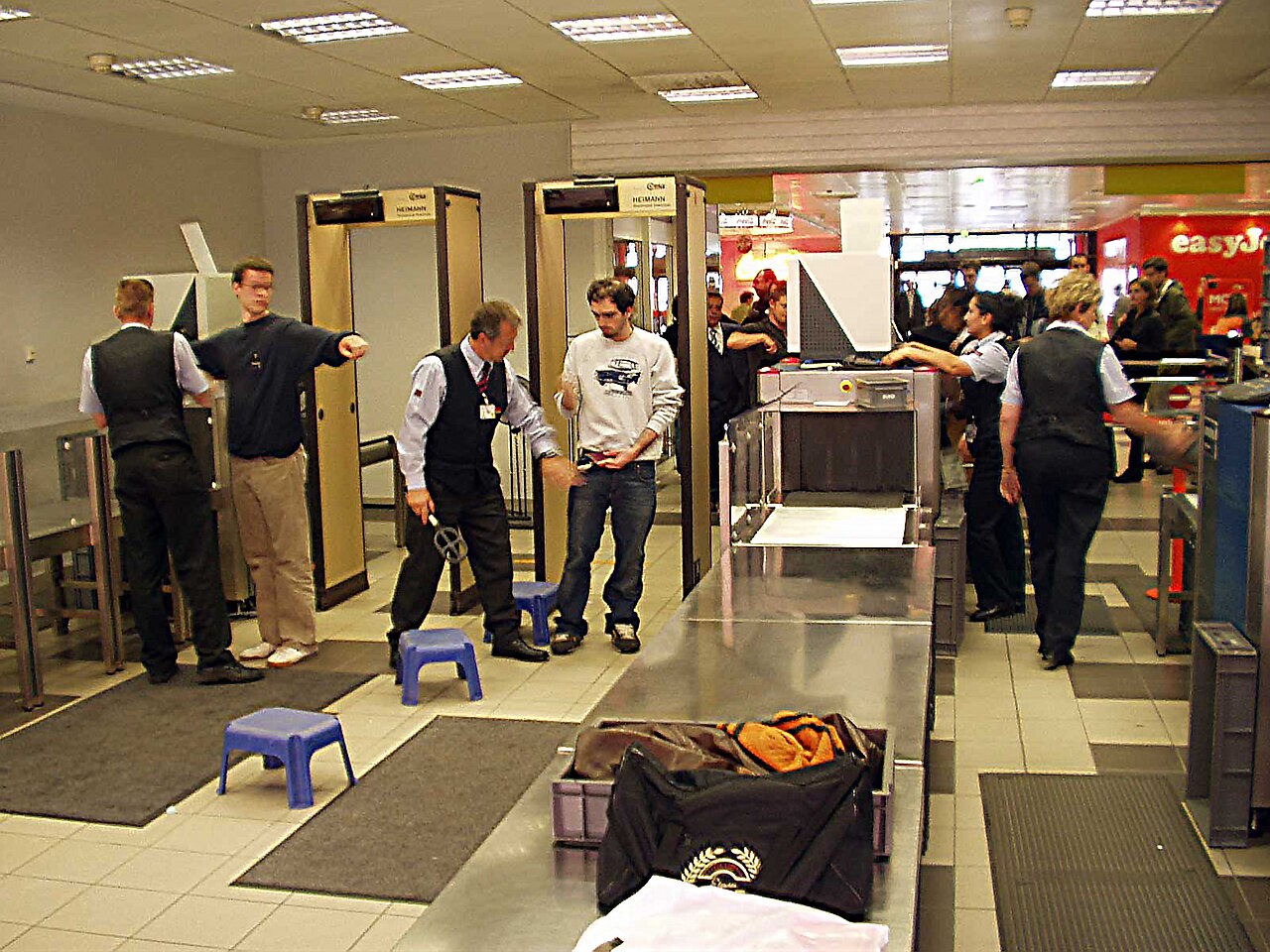






Core components and types
Security work typically combines three functions: prevention (to stop incidents), detection (to discover incidents quickly) and response (to limit damage and recover). Those functions appear across different types of security:
- Physical security — barriers, locks, guards, access control, surveillance cameras.
- Information security — encryption, authentication, backups, cybersecurity tools.
- Human and organizational security — policies, training, background checks, incident response plans.
Typical measures
Common measures used to implement security include layered defenses, monitoring systems, identity verification, intrusion detection, security personnel, and contingency planning. Examples range from airport screening and bank vaults to network firewalls and multi-factor authentication. A concise list of widely used controls includes:
- Perimeter controls and physical barriers
- Access control, badges and biometrics
- Surveillance and alarm systems
- Policies, audits and staff training
- Incident response and recovery planning
History and development
Security practices have evolved from ancient fortifications and guarded trade routes to modern standards that integrate law enforcement, engineering and information technology. Industrialization, telecommunications and the rise of computers expanded the domain of security, creating specialized fields such as cybersecurity and risk management.
Applications and examples
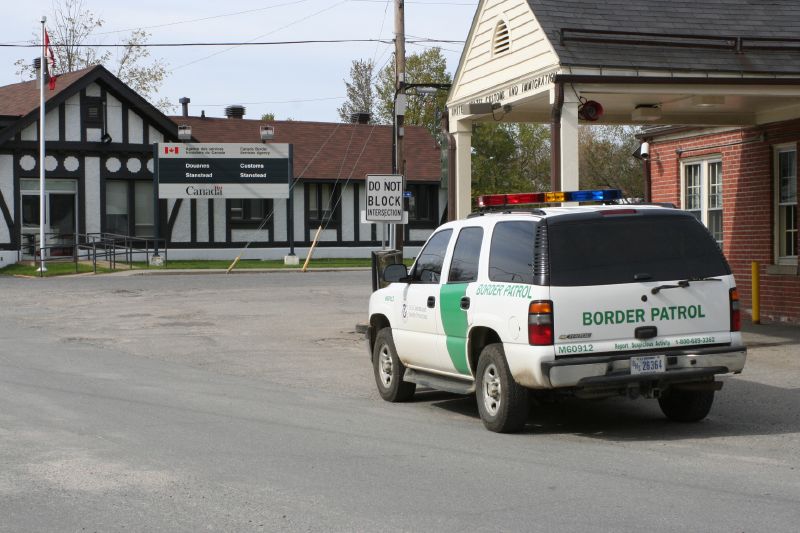
Security is applied in many contexts. Airports and banks use layered physical and procedural controls to reduce risk. Correctional facilities maintain prison security systems designed to control movement and access; measures also aim to prevent harm to staff and to manage interactions among prisoners. In businesses, security protects intellectual property, customer data and operational continuity.
Distinctions and notable points
Security is often evaluated in terms of risk: acceptable risk levels guide the choice and intensity of controls. "Maximum security" denotes the highest level of restriction used where the potential for harm or escape is greatest. Effective security balances protection, cost, legal constraints and human rights, and it requires ongoing review to adapt to changing threats.
Related articles
Author
AlegsaOnline.com Security: concepts, types, history, and practical measures Leandro Alegsa
URL: https://en.alegsaonline.com/art/88501
Sources
- publicsurveillance.com : Surveillance and Security: Technological Politics and Power in Everyday Life
- opsecprofessionals.org : opsecprofessionals.org/