
Padlock: portable lock types, design, uses, history and security
Overview of padlocks: portable locks with a U-shaped shackle. Covers construction, types, history, common uses, vulnerabilities, security features, selection and maintenance guidance.
Overview
A padlock is a detachable, portable lock with a typically U-shaped shackle that secures two objects or a fastening point. The shackle engages with the lock body and is released only when the correct key is used, the correct combination is entered, or an authorized electronic signal is received. Because padlocks can be fitted to different fixtures, they are widely employed for temporary, movable or shared security needs.
Image gallery
10 Images


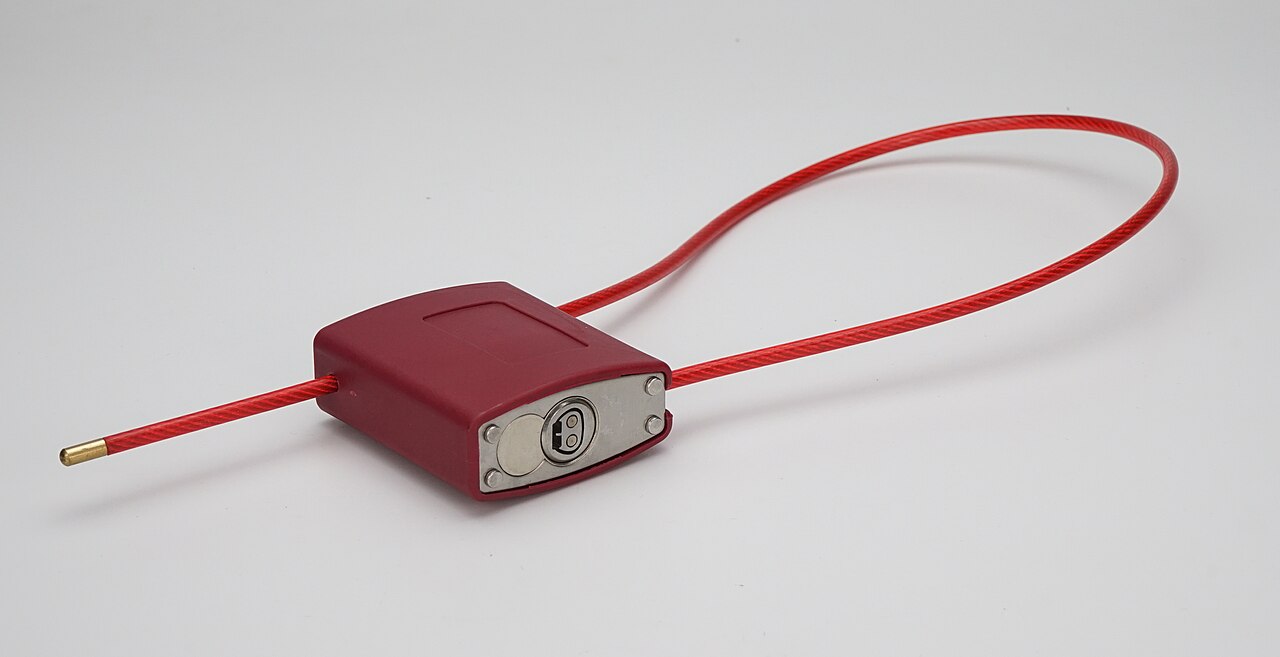


Design and components
Most padlocks share common parts: a body, a shackle (the U-shaped loop), and an internal locking mechanism. Body materials include brass, stainless steel, laminated steel and alloy castings. Shackles vary by material and diameter; hardened steels and boron-enriched alloys increase cut resistance. Internal mechanisms include warded systems, pin-tumbler cylinders, disc detainers, combination wheels, and electronic modules. Locking engagement may use ball bearings or deadlocking cams to resist prying.
History and development
Portable locks have a long history, with early mechanical forms found in multiple ancient cultures. Over time locksmiths refined compact mechanisms; improvements in metalworking, standardized keys and cylinder designs in the modern era broadened their reliability. The late 20th and early 21st centuries introduced hardened alloys and keyless electronic varieties that add convenience and, in some models, access logs or remote control features.
Types and common uses
- Keyed padlocks: opened by a conventional metal key and common for gates, lockers and storage boxes.
- Combination padlocks: use rotating dials or numbered wheels and avoid the need for a physical key.
- Disc and round padlocks: often chosen for shed doors and containers because of a compact, protected shape.
- Shrouded and long-shackle designs: suit mounting around larger objects or to reduce access for cutting tools.
- Electronic and smart padlocks: opened by codes, Bluetooth, RFID or smartphone apps; some provide audit trails or multiuser control.
Typical applications include gates, fences, lockers, toolboxes, storage units, luggage, and securing chains or cables for bicycles and equipment. Padlocks are also used symbolically in public spaces, sometimes as tokens of affection attached to bridges or fences.
Security, vulnerabilities and resistance
Padlocks offer variable security. Common physical attacks include cutting the shackle with bolt cutters, sawing the shackle, drilling the core, picking the cylinder, shimming the locking mechanism, and applying leverage or force to the body. To mitigate these threats, manufacturers use hardened or alloyed shackles, thicker diameters, shrouded designs to limit cutter access, anti-drill plates and more secure internal locking elements such as ball-bearing locks or specialized detainer systems.
Selecting and maintaining a padlock
Selection should match the expected threat and environment: use stainless or sealed bodies in corrosive or marine settings, hardened shackles where cutting is a concern, and higher-security cylinders where unauthorized picking or bypassing is likely. Consider key control systems or electronic options for multiuser access and auditing. Regular maintenance—cleaning, occasional lubrication of the keyway or mechanism with a recommended lock lubricant, and replacement of corroded or damaged locks—extends service life and reliability.
Legal and practical considerations
In some contexts the use of padlocks is regulated by property rules, tenancy agreements or safety codes; padlocks on shared property or public infrastructure may be removed by authorities. When used for secure storage, complementary measures such as strong hasps, welded anchors or alarmed enclosures improve overall protection. No single padlock is impervious; layered security and appropriate mounting reduce risk.
Further reading and resources
For product comparisons, technical specifications and general introductions consult manufacturer or specialty resources: portable lock overview, keyed lock systems, door and frame applications, chain and padlock combinations, cutting and bypass tools, sawing and physical attacks, hardened shackle materials, shrouded shackle designs.
When choosing a padlock, balance convenience, environmental durability and the realistic threat level. For critical or high-value security needs, consult a security professional to design a comprehensive solution rather than relying on a single portable lock.
Questions and answers
Q: What is a padlock?
A: A padlock is a portable lock that has a U-shaped shackle that can't come apart from the lock's body unless the correct key is inserted or combination is dialed.
Q: What is the common use of a padlock?
A: Generally, a padlock is used to lock two things together, such as a door and its frame, two or more chains, or a chain and a fixed object.
Q: Why are padlocks not recommended for high-security applications?
A: Padlocks are not recommended for high-security applications because the U-shaped shackle is easily cut with a bolt cutter or hacksaw.
Q: Are there any ways to make a padlock more difficult to cut?
A: Yes, some newer padlocks include hardened boron alloy shackles or shrouded (hidden or covered) shackles to make them more difficult to cut.
Q: What materials are typically used to make the shackle of a padlock?
A: The shackle of a padlock is commonly made of steel.
Q: Can a padlock be opened without the correct key or combination?
A: No, a padlock cannot be opened without the correct key or combination.
Q: What is the shape of a padlock's shackle?
A: The shackle of a padlock has a U-shape.
Related articles
Author
AlegsaOnline.com Padlock: portable lock types, design, uses, history and security Leandro Alegsa
URL: https://en.alegsaonline.com/art/73970