
Lock picking: techniques, history, and practical uses
Overview of lock picking — how mechanical locks work, common tools and techniques, historical development, legitimate uses, legal and ethical issues, and measures that resist picking.
Lock picking is the practice of manipulating the internal components of a mechanical lock so it opens without using the original key and without permanently damaging the hardware. It is a skill used primarily by professional locksmiths, emergency responders and security researchers to provide access, diagnose problems, or evaluate vulnerabilities. Although often associated in popular culture with criminal activity, picking a lock is usually labour-intensive and requires training; in many real-world situations, simpler destructive entry methods such as breaking a window are quicker but more damaging. Legal and ethical acceptability depends on ownership and permission: picking locks you own or have explicit consent to work on is generally lawful in many jurisdictions, while unauthorized entry is a crime.
Image gallery
10 Images




How mechanical locks work
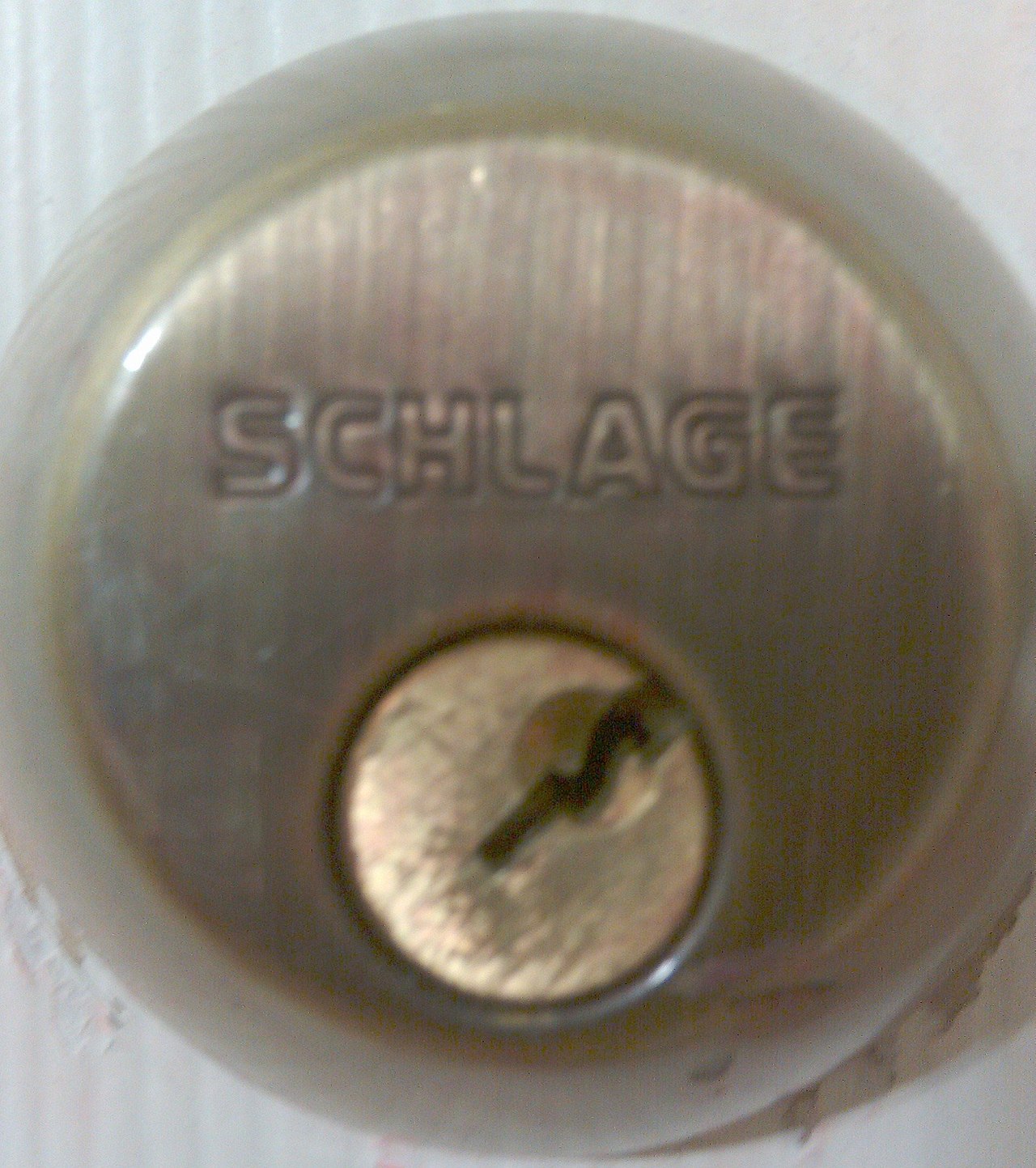
Understanding lock picking starts with the basic mechanics of common lock types. The most widespread form is the pin-tumbler cylinder: it contains a rotating plug inside a cylindrical housing. Stacked pins of two parts (driver and key pins) prevent the plug from turning until each pin pair is aligned to the shear line by the correct key. Warded locks use obstructions (wards) and correspondingly-shaped keys; they are simple and older in design. Other common mechanisms include lever locks (found in safes and older doors) and rim or mortise locks integrated into door hardware. Modern designs incorporate features intended to resist manipulation, such as security pins (spool or serrated forms), complex keyways that limit tool access, and anti-bump or anti-drill plates.
Tools and basic techniques
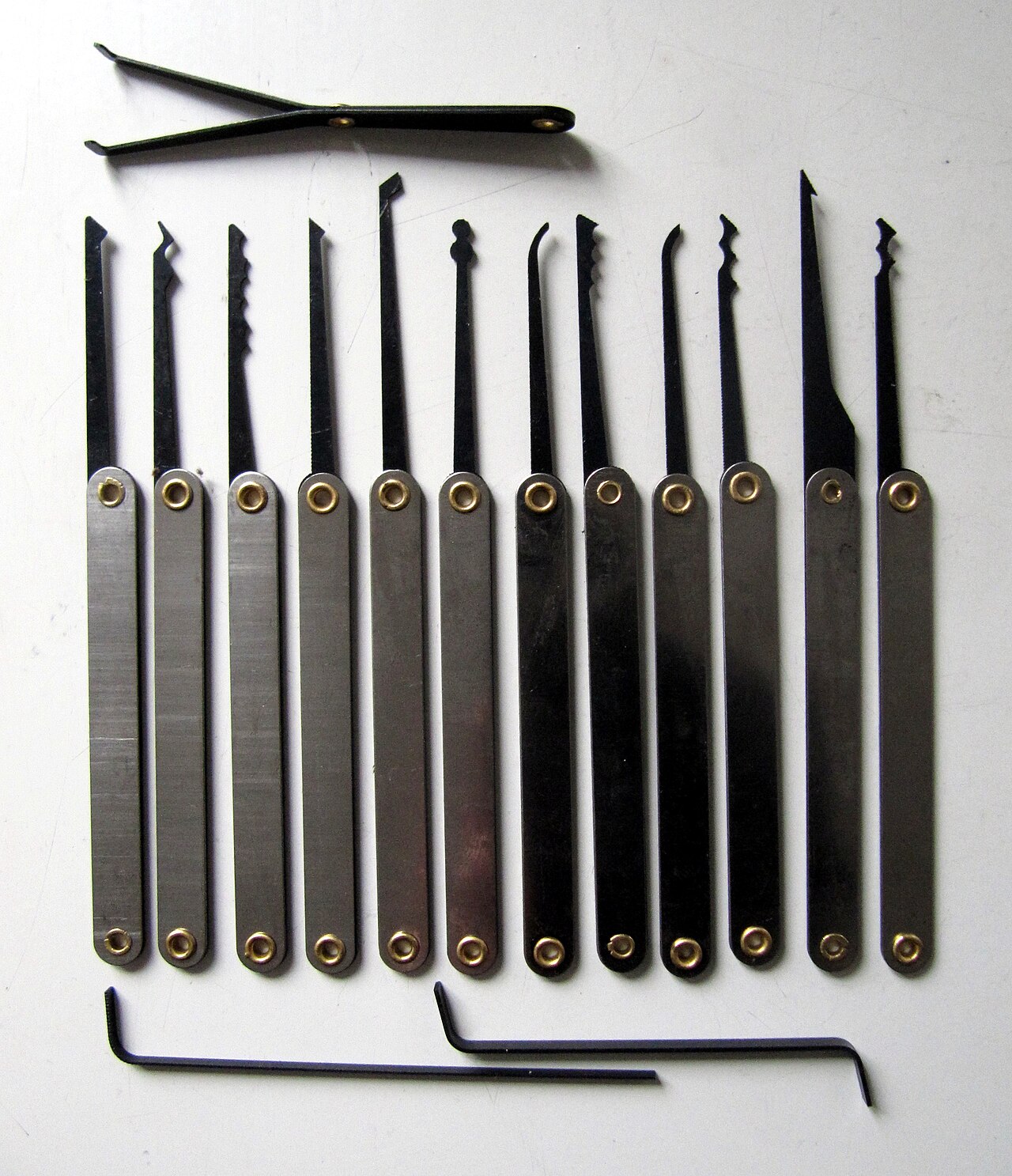
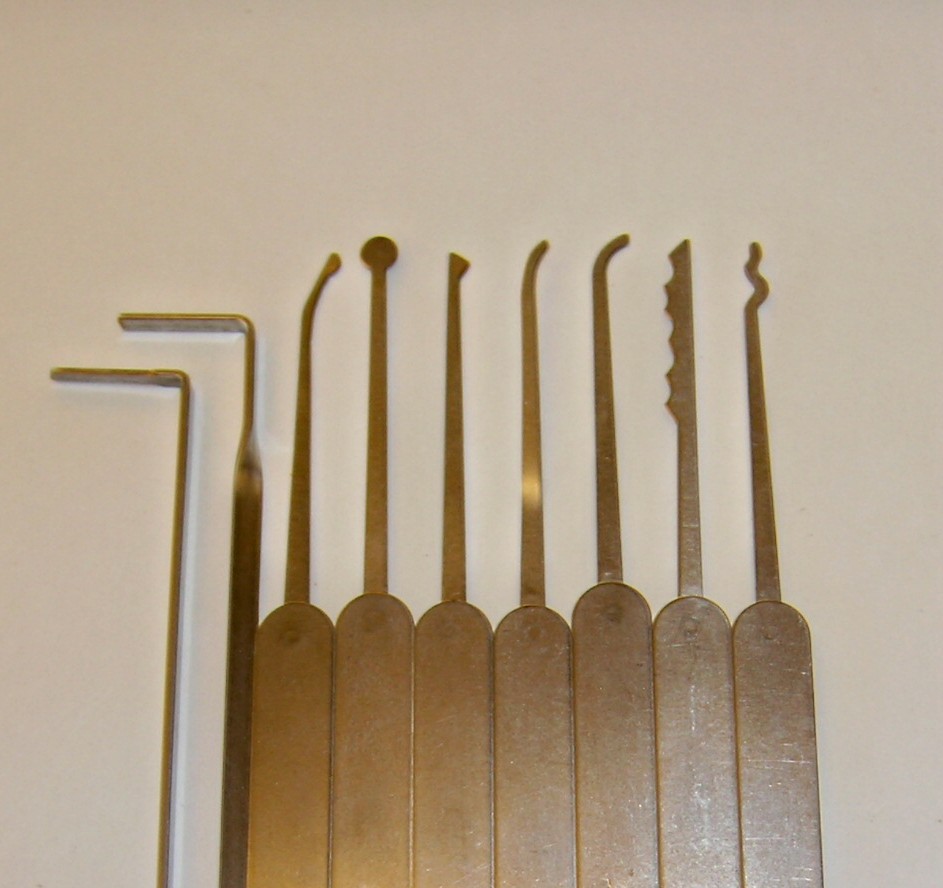
Lock picking is carried out with a small set of tools and a feel for how pins move. Common implements include:
- Tension wrench: applies rotational torque to the plug; essential for creating a binding order among pins.
- Picks: thin instruments shaped to lift individual pins (hook picks) or to sweep multiple pins (rake picks).
- Rakes and scrapers: designed to quickly unsettle several pins and sometimes open a lock by rapid motions.
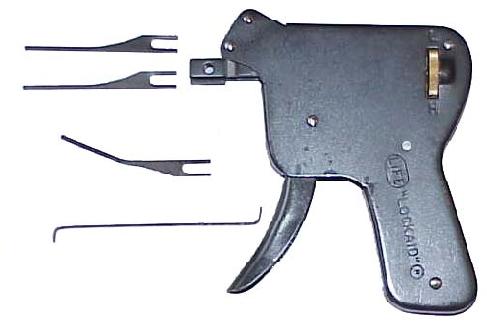
- Bump keys and pick guns: use kinetic energy to momentarily separate pin stacks; effective on some cylinders but less reliable on modern, protected locks.
- Impressioning tools: create a working key by exploiting slight marks left when a blank is turned inside a lock.
Two fundamental approaches are single-pin picking, which manipulates each pin individually to the shear line, and raking, which attempts to set pins through repeated sweeping actions. Mastery requires tactile sensitivity and an understanding of how torque, friction and subtle feedback translate into internal pin movement.
History and development
Human efforts to secure possessions extend back several millennia. Archaeological finds suggest early wooden pin-type locks existed in ancient Babylon and Egypt; an example of a key and lock mechanism was recovered from Nineveh and dated to the first millennium BCE. The Romans refined metalworking for locks and produced smaller, more portable keys and stronger iron or bronze mechanisms. Over centuries designs diversified: the warded lock persisted for simple applications, while more secure mechanisms evolved.
The 19th century brought decisive change for everyday security with the development and popularization of the modern pin-tumbler cylinder, sometimes associated with inventors such as Linus Yale Jr., whose innovations led to widely adopted manufacturing standards and commercial locks. In the late 20th and early 21st centuries, mechanical designs have been complemented — and sometimes replaced — by electronic access systems, smart locks, and keyless entry, which pose different vulnerabilities and mitigation strategies.
Uses, communities, and legal considerations
Legitimate uses of lock picking include emergency entry for people locked out, maintenance and replacement of malfunctioning hardware, forensic work, and security research to assess and improve lock designs. A recreational movement known as "locksport" brings hobbyists together to study locks, practice non-destructive opening methods, and run timed challenges; communities and competitions exist around the world and emphasize ethics and responsible disclosure.
Legal frameworks vary: many places allow possession of picking tools and the practice of picking locks you own, but criminal intent, possession with intent to commit a crime, or unauthorized entry are prosecutable. Because laws differ, practitioners are advised to know and follow local statutes and to always obtain clear permission before attempting to open property they do not own.
Resisting picking and notable distinctions
Manufacturers use several measures to make picking harder: security pins that produce false feedback, tighter tolerances and narrower keyways to restrict tool access, hardened inserts against drilling, and complex key profiles or restricted key blanks to limit unauthorized duplication. Bumping — using a specially cut key and a percussive blow — was popular for a time, but many modern cylinders include anti-bump features.
It is also important to distinguish non-destructive entry (picking, decoding, impressioning) from destructive methods (drilling, forcing) that permanently damage a lock. Non-destructive techniques are preferred by professionals because they preserve the mechanism and often avoid costly repairs. In the context of security, responsible lock picking and testing help manufacturers and customers identify weaknesses so that stronger designs can be developed; when misused, however, the same skills can facilitate unlawful access.
For readers interested in practical learning: start with clear ethical rules, study diagrams of basic lock components, practice on locks you own or have explicit permission to use, and consider joining organized communities or classes that teach proper technique and legal responsibilities. For further reading on locks and locksmithing, consult reputable technical guides and manuals produced by industry organizations and professional locksmith associations.
Related articles
Author
AlegsaOnline.com Lock picking: techniques, history, and practical uses Leandro Alegsa
URL: https://en.alegsaonline.com/art/58765
Sources
- azlocksmith.co.uk : "Keys and locks"