
Theft: definition, types, causes, prevention, and legal distinctions
An overview of theft: what it is, common forms, motives, legal distinctions from related crimes, historical context, consequences, and common prevention measures.
Definition and scope
Theft is the unauthorized taking of someone else’s property, money, services or information with the intent to permanently deprive the owner of it. This can involve private individuals, businesses or the state. The basic target of theft is often tangible property or assets, commonly referred to as property, but modern theft also includes electronic assets such as data and information and financial assets like money. A person who commits theft may be described as a thief or as having committed a stealing offense.
Image gallery
2 Images
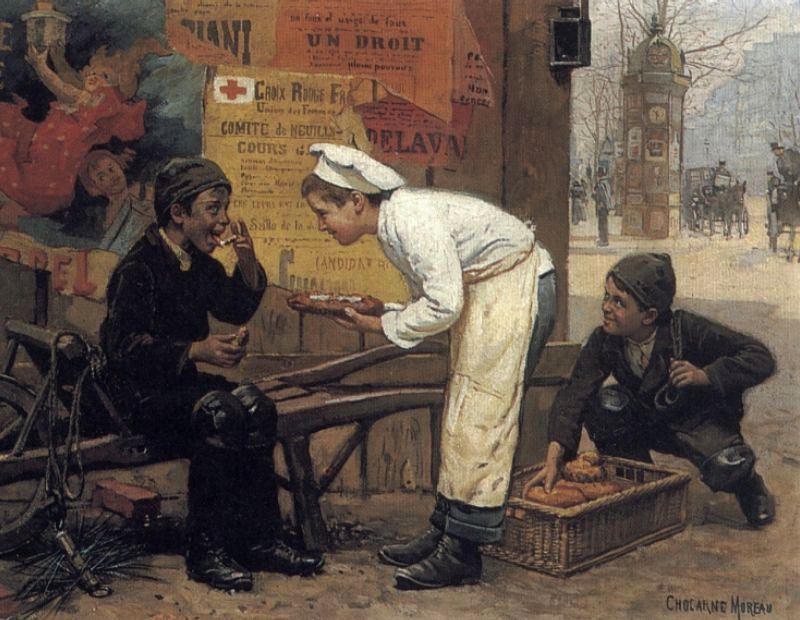
Types and common examples
Theft takes many forms, and jurisdictions may label and punish them differently. Typical categories include petty or minor theft and grand or major theft (often distinguished by value). Specific examples include:
- Shoplifting and retail theft: taking merchandise from a store without paying; see shoplifting.
- Pickpocketing and street theft: stealing small items directly from a person.
- Motor vehicle theft: stealing or unlawfully taking cars.
- Burglary and robbery: related but distinct crimes; burglary generally involves unlawful entry to commit a theft or felony, while robbery involves taking property by force or threat.
- Technology-enabled theft: stealing electronic devices such as electronics and laptops, or accessing and stealing digital information.
Causes, motives and psychology
Motivations for theft range from economic need to opportunism and organized criminal profit. Some offenders steal to obtain goods to sell, while others act impulsively when a chance arises. A small proportion of individuals are driven by compulsions such as kleptomania, a medical condition characterized by irresistible urges to steal items not needed for personal use or monetary value.
Methods and disposal of stolen goods
Methods vary from simple, unplanned acts to carefully planned schemes. Stolen items may be fenced through informal buyers, pawn brokers or intermediaries; historically and today some thieves use pawn shops to convert goods into cash, for example via pawn shops. Technology has expanded both methods of theft and channels to sell or move stolen goods, including online marketplaces and encrypted communication.
Prevention, legal consequences and historical context
Prevention strategies include environmental design (better locks, lighting, secure display), business controls (inventory management, staff training, surveillance) and legal deterrents. Penalties for theft differ by jurisdiction and by the value and circumstances of the offense; sentences can range from fines and restitution to imprisonment. Historically, theft and the laws that address it have existed in virtually all societies; modern legal systems distinguish theft from related offenses such as fraud, embezzlement and the earlier common-law concept of larceny. The mental element (intent) and the manner of taking remain key factors in how the act is classified and prosecuted.
For further reading and practical resources, see links on property rights, law enforcement guidance and victim assistance available through official and educational sources: property resources, state materials, and specialist pages on financial crime, data theft and loss prevention. Additional contextual pages include shoplifting, burglary, robbery, medical perspectives such as kleptomania, articles about electronics and laptops, and practical information on dealing with stolen goods from pawn shops.
Questions and answers
Q: What is theft?
A: Theft is the act of taking an object, money, or information without permission from another person or state.
Q: What is a thief?
A: A person who has been convicted of theft is commonly called a thief.
Q: What is stealing?
A: Stealing is the practice of engaging in theft.
Q: What are some types of theft?
A: Some types of theft include pickpocketing, shoplifting, burglary, and robbery.
Q: What is the difference between burglary and theft?
A: Burglary and robbery are separate crimes which involve theft.
Q: Why do thieves steal things?
A: Thieves steal things sometimes because they want to have something for themselves, or because they want to sell something for money.
Q: What do thieves usually steal for money?
A: When thieves steal things for money, they usually pick cars, electronics, laptops, or other things they can sell easily.
Author
AlegsaOnline.com Theft: definition, types, causes, prevention, and legal distinctions Leandro Alegsa
URL: https://en.alegsaonline.com/art/99187