
Roman Republic: institutions, expansion, crisis, and legacy
Comprehensive overview of the Roman Republic: origins, constitution, social conflicts, military expansion, the crises of the late Republic, and its enduring legal and political legacy.
Overview
The Roman Republic was the central phase in the development of Ancient Roman civilization. In traditional accounts the city was founded by Romulus and Remus and passed through a monarchical stage; this early material is preserved in legend (foundational myths) and later Roman historical memory. The transformation from kingship (kingdom) to a mixed republican constitution is conventionally dated to the late 6th century BC, when the last king (the last king, Lucius Tarquinius Superbus) was expelled and Rome adopted collective magistracies and public assemblies. The term res publica, literally the "public thing," encapsulated the ideal that public authority resided in offices, laws and civic bodies rather than in a single hereditary ruler.
Image gallery
10 Images




Origins and monarchy
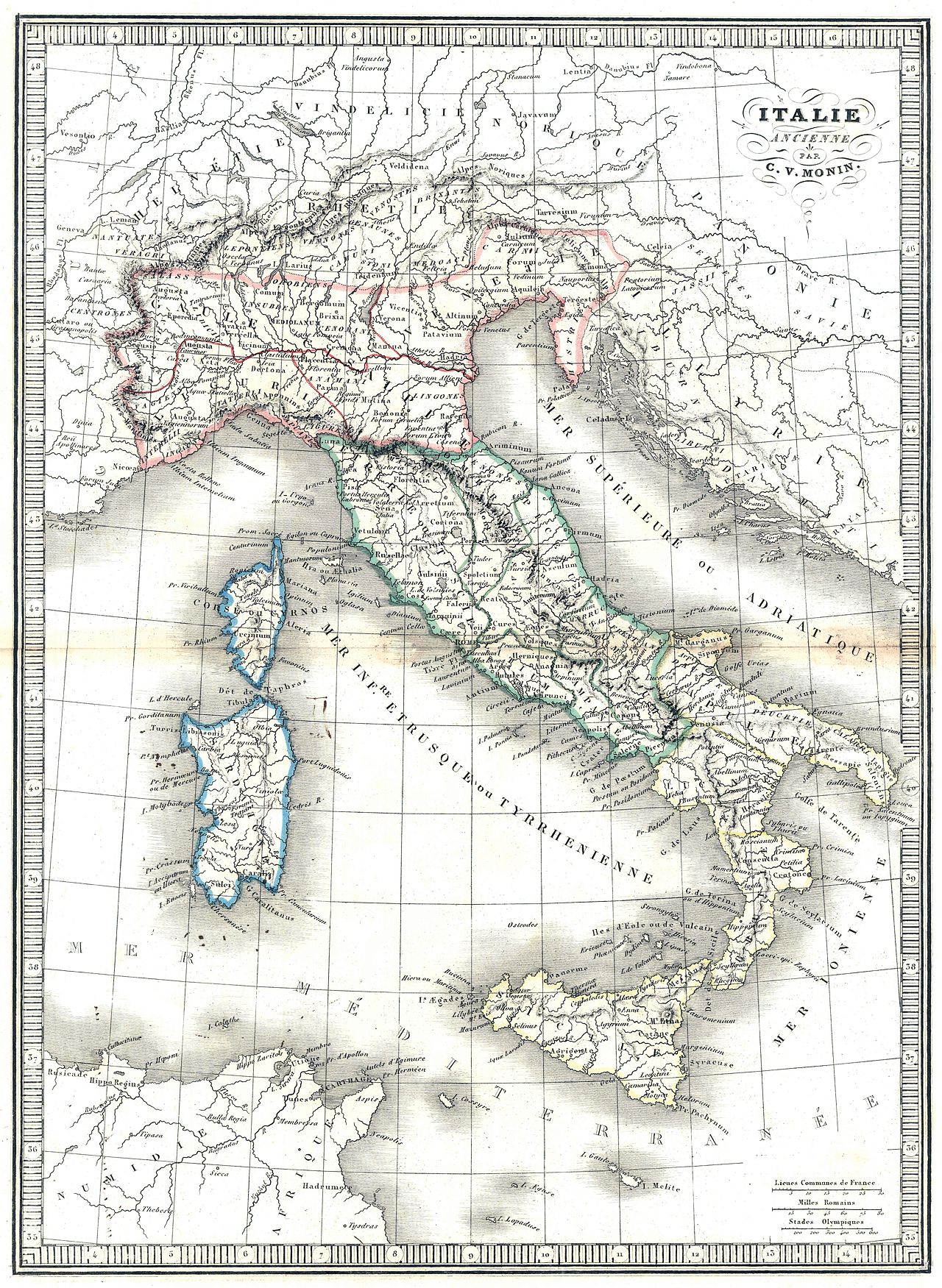
Early republican institutions developed from the needs of a growing city-state and its aristocratic families. Archaeological and literary evidence show a gradual evolution rather than a single clean break. Rome's role as a regional power in Italy grew through alliances, colonization and warfare, and it absorbed neighboring communities into an expanding polity. The city itself and its topography remained central to identity: the story of the city (city, Rome) was constantly invoked by Roman writers and public ceremonies.
Constitutional structure and magistracies
The Republic established a complex balance of magistracies, a deliberative aristocratic Senate and popular assemblies. Two annually elected consuls shared executive authority and military command. Other magistrates regulated finances, religious practice, judicial procedure and public works. The Senate became the principal advisory and financial body, while the popular assemblies elected magistrates and enacted some legislation. Tribunes of the people provided an institutional check and a forum for popular grievances. These structures were intended to constrain personal power through term limits, collegiality and legal procedures.
Social order, conflict, and reform
Roman society featured divisions between elites and common citizens, and between patrician and plebeian orders. Long struggles over political access, debt relief and legal rights produced reforms such as the codification of customs and the opening of offices to broader social groups. Nevertheless social inequality, dependence on slave labor and concentration of land and wealth contributed to recurrent tensions. Slave revolts, most famously the uprising led by Spartacus, revealed stress points in Roman society and the limits of elite accommodation.
Economy, military system, and expansion
The Republic combined an agrarian base with extensive trade and revenues from allied and subject communities. Military service by citizen-soldiers under magistrates and pro-magistrates allowed Rome to field large forces. Expansion across Italy and eventually the wider Mediterranean brought wealth and new challenges of governance. Major conflicts shaped Rome's rise: the struggle against Carthage in the Punic Wars, fought over trade, strategic islands like Sicily and maritime dominance; campaigns against Gallic neighbors and pressures from northern and eastern groups described in Roman sources as barbarians or Germanic peoples; and the catastrophic invasions and defeats that tested Roman resilience. The Carthaginian general Hannibal crossed the Alps and inflicted serious defeats in Italy, while Rome's eventual victories reconfigured power in the western Mediterranean.
Late Republic: patronage, power and civil war
From the 2nd century BC onward, competition among elite families, greater wealth disparities and the politicization of military command eroded republican norms. Ambitious leaders cultivated personal followings and military loyalty, sometimes bypassing traditional institutions. Informal power arrangements—the First Triumvirate and later the Second Triumvirate—concentrated authority in small cliques and undermined collective governance. A sequence of civil wars during the first century BC saw military force used to settle political disputes (civil wars), culminating in Gaius Julius Caesar's crossing of the Rubicon and his appointment as dictator. The period between 49 BC (49 BC) and Caesar's assassination in 44 BC (44 BC) marks a decisive breakdown of constitutional restraint.
Actium, Augustan settlement, and debates on the end of the Republic
The final contest between Octavian and Mark Antony ended at the naval Battle of Actium in 31 BC, a major naval engagement that left Octavian the dominant figure. In 27 BC the Senate granted him powers and honors that inaugurated the principate and are conventionally taken as the beginning of the Roman Empire under Augustus. Scholars debate whether the Republic ended with Caesar's dominance, with Actium, or with the formal settlement that reshaped institutions; ancient emperors themselves often claimed to preserve the res publica while exercising unilateral authority.
Legacy and historiography
The Roman Republic bequeathed enduring ideas about elected magistracies, legal procedure, citizenship and municipal administration. Its constitutional language and concepts of mixed government influenced later political thought and modern republican constitutions. Roman law and administrative practices formed a foundation for European legal traditions, and republican literature, rhetoric and memory continued to shape political discourse. Historians study the Republic through literary sources, inscriptions and archaeology; for collections of primary material and modern interpretation see general surveys and specialized studies (sources and scholarship). Further reading can be found in works focused on specific themes—origins, institutions, warfare and the transition to imperial rule (Republic overview, civilizational context, Punic conflict, slave uprisings, First Triumvirate, Second Triumvirate).
Related articles
Author
AlegsaOnline.com Roman Republic: institutions, expansion, crisis, and legacy Leandro Alegsa
URL: https://en.alegsaonline.com/art/83865
Sources
- britannica.com : "Latin League"
- doi.org : 10.2307/1170959
- jstor.org : 1170959