
Ruanda-Urundi: history and legacy of a colonial territory
Ruanda-Urundi was a central African territory administered by colonial powers in the 20th century, later becoming the separate nations of Rwanda and Burundi following decolonization.
Overview
Ruanda-Urundi was a landlocked territory in the African Great Lakes region that came under European colonial control in the late 19th and early 20th centuries. Initially part of German East Africa, it passed into Belgian hands during the First World War and then entered a period of international trusteeship. The administration, institutions, and borders established under colonial rule shaped the political geography that later produced the independent states of Rwanda and Burundi.
Image gallery
8 Images




Historical development
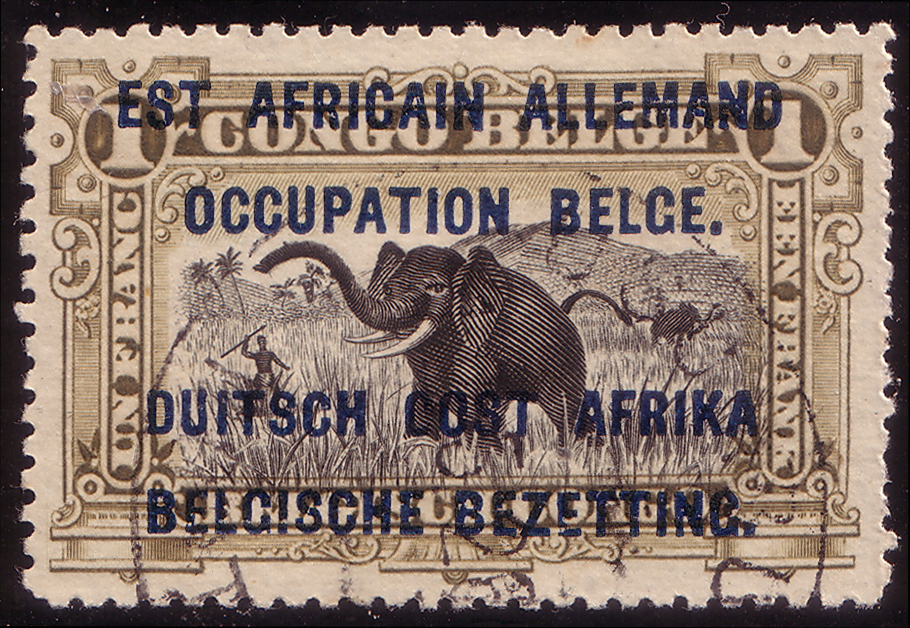
Before colonial rule the area consisted of several centralized kingdoms and chiefdoms with long histories of local governance. German colonial presence was established toward the end of the 19th century as part of German East Africa. During World War I, Belgian forces advanced from the neighboring Congo and, in the conflict of 1914–1918, invaded the region—in the context of that war often described with the placeholder World War I. Belgian control after the fighting became formalized under international arrangements.
Mandate and trusteeship
Following wartime occupation, Ruanda-Urundi was administered by Belgium under a League of Nations mandate and later as a United Nations trust territory. The period of military occupation is often noted in contemporary accounts as a transitional phase of foreign governance, sometimes referenced as the military occupation. Belgian administration reorganized local institutions, exercised indirect rule through traditional leaders, and developed plantation agriculture and missionary education.
Administration, society and economy
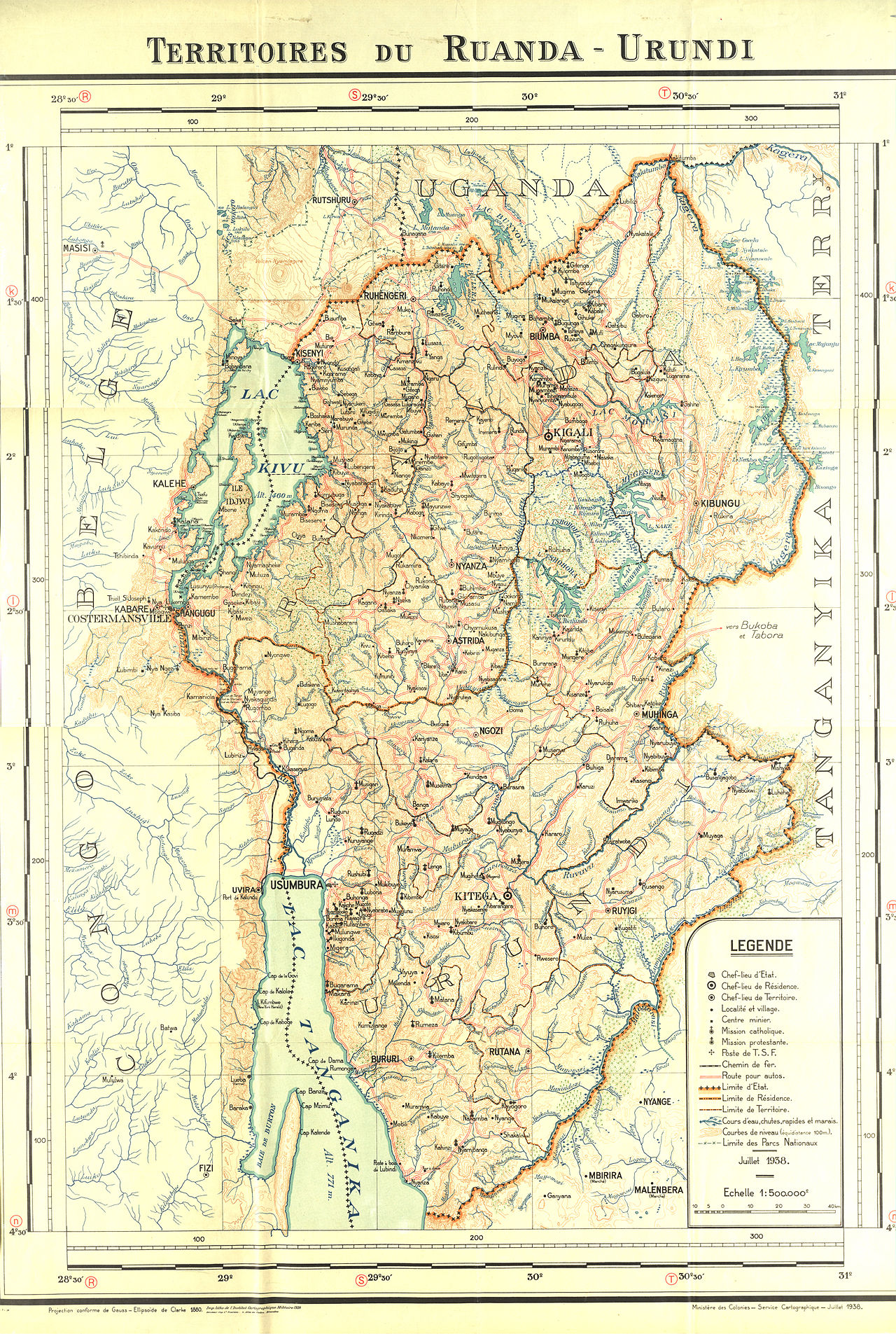
Colonial authorities managed the territory as a single unit composed of two principal provinces corresponding roughly to historical Rwanda and Burundi. Economically the territory combined smallholder agriculture with cash-crop cultivation and limited infrastructure projects. Socially, the population included several groups often described in historical sources by their social and occupational roles; colonial policies affected land tenure, taxation, and local hierarchies.
Path to independence and division
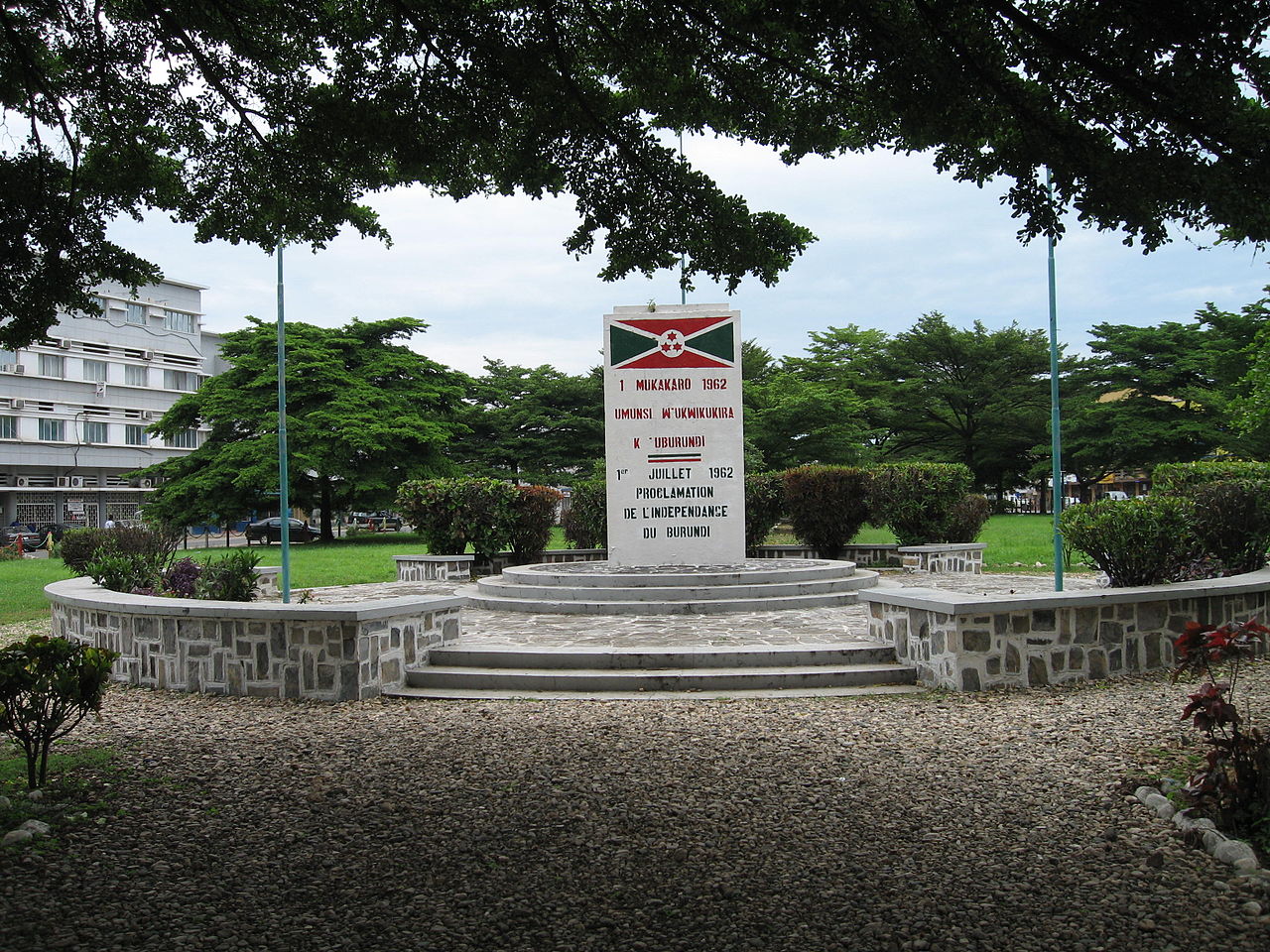
After World War II, rising demands for self-determination led to political mobilization and reforms. During the process of decolonization the international trusteeship arrangement ended and the territory moved toward sovereignty. In the early 1960s Ruanda-Urundi was separated into two independent states, each taking its own political path as the Republic of Rwanda and the Republic (and earlier kingdom) of Burundi.
Legacy and notable facts
- Ruanda-Urundi's colonial borders influenced the modern map of the region.
- Institutions and policies from the mandate era left long-term effects on governance, education, and land issues.
- The distinct historical trajectories of Rwanda and Burundi after independence are rooted in both precolonial institutions and colonial administrative choices.
For further reading on administrative arrangements, military occupation, and the transition to independence, see primary archives and specialized histories that explore the mandate period and the later emergence of the two nations.
Related articles
Author
AlegsaOnline.com Ruanda-Urundi: history and legacy of a colonial territory Leandro Alegsa
URL: https://en.alegsaonline.com/art/84548