
Romanian War of Independence (1877–1878)
The 1877–1878 conflict in which the United Principalities of Romania fought alongside Russia against the Ottoman Empire, resulting in Romania's de facto independence and recognition in the 1878 postwar settlements.
Overview: The Romanian War of Independence refers to the military and political episode in 1877–1878 when the United Principalities (the nucleus of modern Romania) broke from Ottoman suzerainty during the wider Russo‑Turkish War. Romanian forces fought alongside the Russian Empire against the Ottoman Empire to secure autonomy and later full international recognition.
Image gallery
9 Images





Background and diplomatic opening
In spring 1877 the Romanian government negotiated passage for Russian troops across its territory. On 16 April 1877 (4 April Old Style) Romania and the Russian Empire reached an agreement that allowed Russian formations to move through Romanian lands while affirming Romanian territorial integrity. The move drew Romania into the larger conflict with the Ottoman state (Ottoman Empire), and exposed the need to clarify Romania’s international status.
Course of the campaign
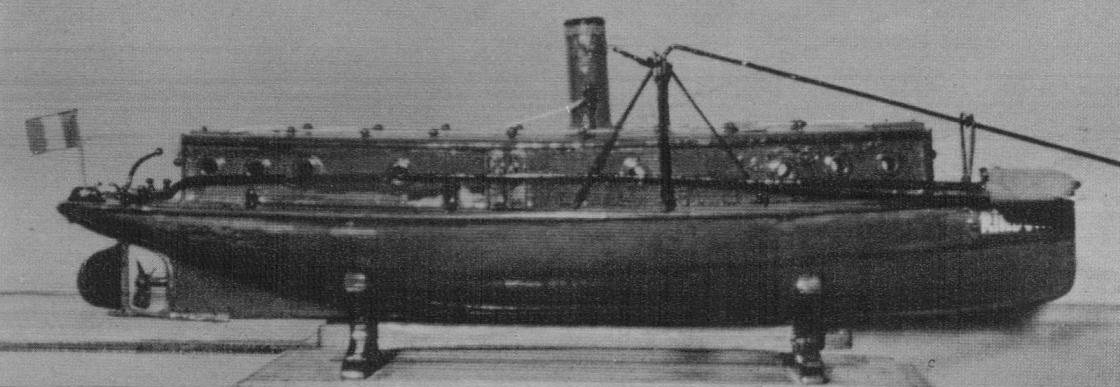
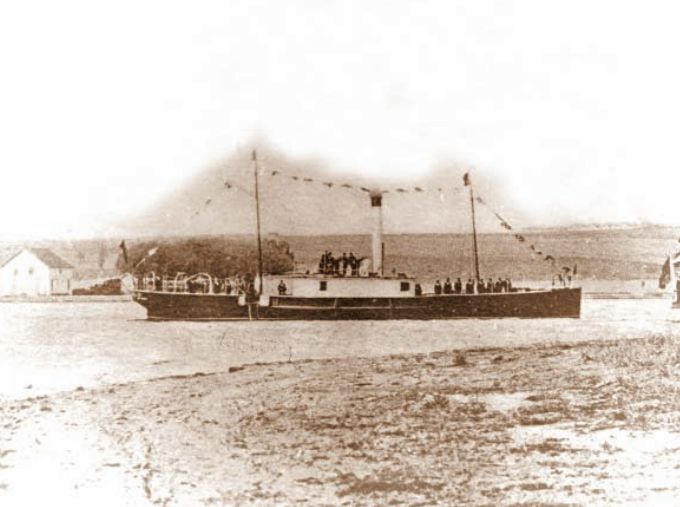
Romanian units, commanded by local officers under the nominal authority of Prince Carol I, took an active combat role on the Danube front and in operations in northern Bulgaria. Romanian troops participated in several major engagements of the campaign, most notably during the protracted fighting around Plevna (Pleven), as allied forces sought to break Ottoman defensive positions.
Declaration and domestic politics
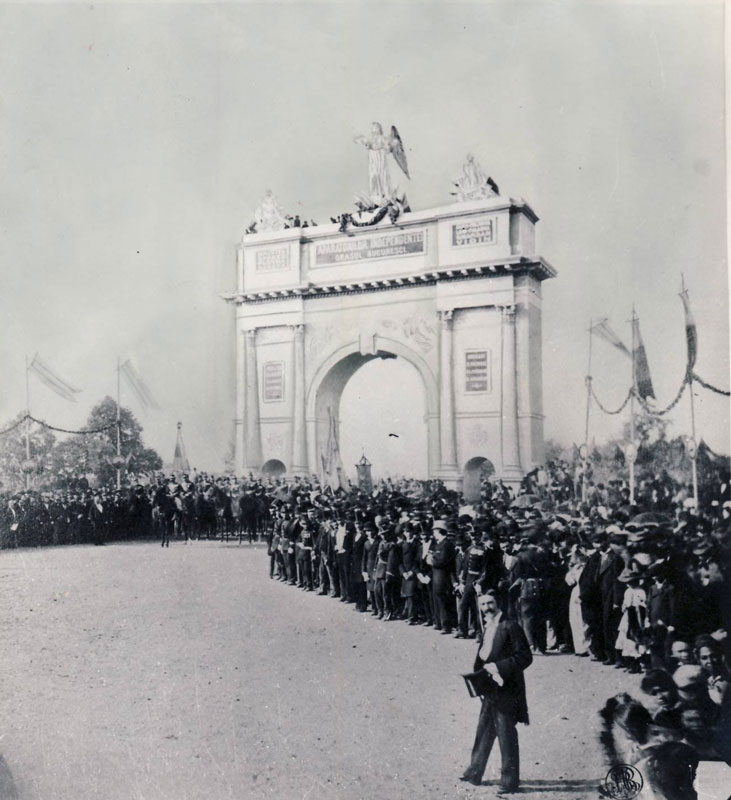
Political leaders in Bucharest asserted the objective of full independence. The Romanian parliament formally proclaimed independence on 9 May 1877 (Old Style) / 21 May 1877 (New Style); the declaration reflected both popular sentiment and the calculations of ruling politicians, including the statesman Mihail Kogălniceanu. Romania’s ruler, Prince Carol I, oversaw mobilization and international negotiations with the Russian Empire.
Outcome and significance
Fighting ended with Ottoman defeat in the region. Romania’s de facto independence was confirmed by the diplomatic settlements that followed the war; the great powers recognized the new status in the 1878 postwar arrangements. The conflict accelerated Romania’s state‑building: it led to international recognition, territorial adjustments, and eventual proclamation of the kingdom in the next decade. Modern Romania regards the campaign as a foundational moment in its national history (Romania).
Notable facts and distinctions
- The war is often described in Romanian sources as a national war of independence, distinct from but contemporaneous with the Russo‑Turkish War of 1877–1878.
- Romanian participation combined national aims with alliance politics: Romanian forces acted to secure independence while cooperating militarily with Russia.
- Final diplomatic recognition involved multilateral treaties and border adjustments decided by the European powers after the fighting.
Related articles
Author
AlegsaOnline.com Romanian War of Independence (1877–1878) Leandro Alegsa
URL: https://en.alegsaonline.com/art/83900