
Roman Wales: conquest, administration and legacy
Survey of Roman rule in the area of modern Wales: geography and tribes, military conquest and forts, towns and economy (mining and roads), cultural impact and long-term legacy.
Roman Wales refers to the parts of modern Wales brought under the control of the Roman state during the occupation of Britain. The subject overlaps with the broader history of modern Wales and the provincial structures of the Roman Empire, and it is often treated as a distinct region within studies of Roman Britain. Roman influence in Wales was uneven: some areas were garrisoned and urbanised while others remained largely rural and culturally native.
Image gallery
10 Images


Geography, peoples and early resistance
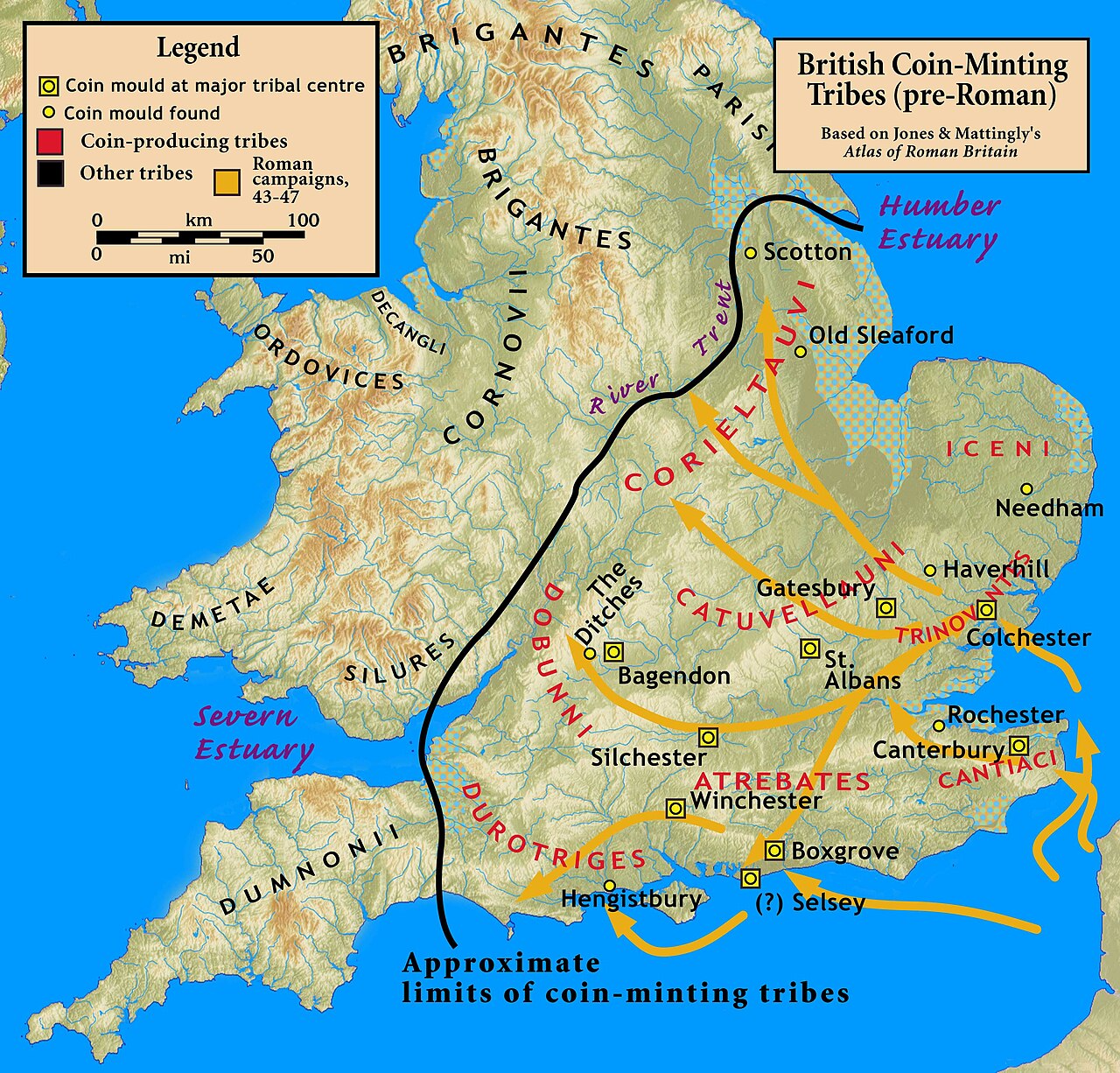
Wales presented a rugged, upland landscape with strategic coastal approaches and mineral resources. Before and during the Roman arrival, the land was inhabited by tribal groups commonly named in later sources: the Silures in the southeast, the Ordovices in the north and central highlands, and the Demetae in the southwest. Several tribes resisted Roman advances; notable leaders—whose struggles became part of Roman accounts—delayed full pacification for decades.
Conquest, military presence and infrastructure
Roman penetration began in the mid‑1st century following the invasion of Britain. Campaigns were followed by the construction of forts and legionary bases to control territory and key routes. Major military sites included the legionary fortress at Caerleon (Isca), auxiliary forts in strategic locations, and a network of roads often referred to in later tradition as Sarn Helen. The military remained the principal agent of Roman power, and garrisons controlled mines, river crossings and coastal approaches.
Administration, economy and settlements
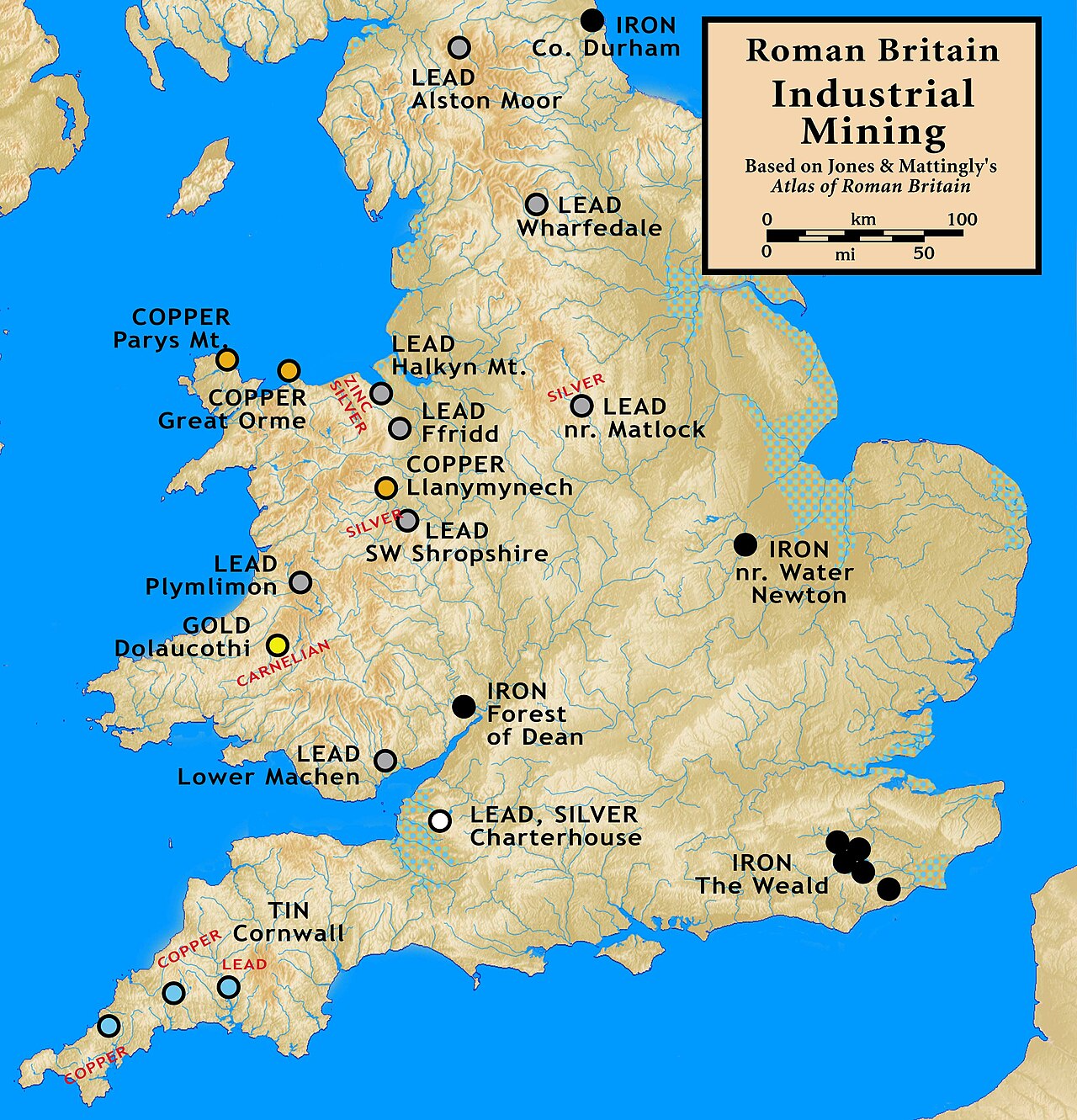
Roman administration integrated parts of Wales into the provincial system. Towns developed where Roman and native interests met; examples include Caerwent (Venta Silurum) and Carmarthen (Moridunum). The economy combined local agriculture with Roman exploitation of mineral wealth. Wales was notable for mining—especially gold at Dolaucothi and various metal workings—which supplied imperial and regional markets. Compared with lowland England, Roman-style villas and Romanized rural settlement were less widespread.
Culture, religion and decline
Roman rule brought new material culture, Latin inscriptions, baths, amphitheatre remains and elements of Roman law, but assimilation varied by region. Christianity appears in the later Roman period, evidenced by inscribed stones and church traditions that claim Roman or late-Roman origins. From the late 4th to early 5th centuries the central authority weakened; Roman military withdrawal and administrative collapse around 410 AD set the stage for the emergence of successor polities that evolved into early medieval Welsh kingdoms.
Legacy and notable remains
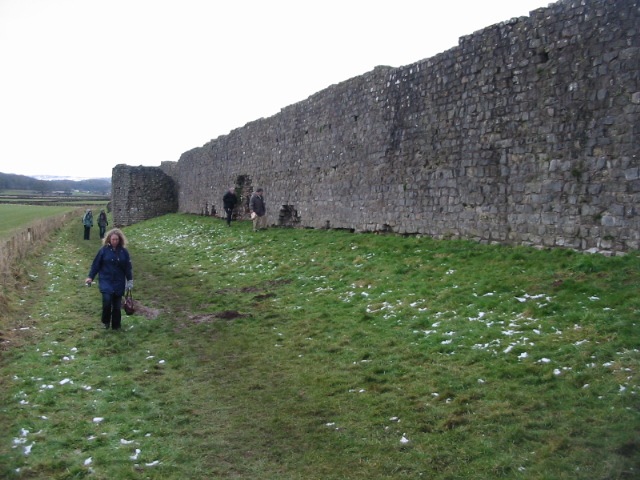
- Surviving sites: legionary fortress at Caerleon, town walls at Caerwent, Roman baths and roads.
- Industrial archaeology: Roman mines at Dolaucothi and various metalworking sites.
- Historical importance: illustrates varied degrees of Romanization and the transition from Roman Britain to early medieval Wales.
For further reading on specific sites, military units and inscriptions, see specialised surveys and archaeological reports that focus on regional finds and place-name evidence.
Questions and answers
Q: What is Roman Wales?
A: Roman Wales is the region of Wales that was under the control of the Roman Empire from the first to the fifth century AD.
Q: How did Romans refer to Wales?
A: Romans referred to Wales as Cambria.
Q: Was Wales considered part of Roman Britain?
A: Yes, Wales was considered part of Roman Britain by the Romans.
Q: What part of Wales was fully made Roman in the beginning of the fifth century?
A: South-east Wales was fully made Roman in the beginning of the fifth century.
Q: When did Roman control over Wales end?
A: Roman control over Wales ended in the fifth century AD.
Q: Was Wales the only region of Britannia under Roman Empire control?
A: No, Wales was not the only region of Britannia under Roman Empire control. England was also considered part of "Roman Britain" by the Romans.
Q: For how many centuries was Roman Wales under Roman Empire control?
A: Roman Wales was under Roman Empire control for about four centuries, from the first to the fifth century AD.
Related articles
Author
AlegsaOnline.com Roman Wales: conquest, administration and legacy Leandro Alegsa
URL: https://en.alegsaonline.com/art/83873