
Civil war: causes, dynamics, and consequences
An overview of civil war: what it is, common causes (political dispute, secession, ethnic division), how conflicts evolve, their effects, and distinctions from other armed unrest.
A civil war is an armed conflict fought between organized groups within the same sovereign state. These struggles range from short, localized rebellions to protracted nationwide campaigns that profoundly reshape political order, social relations, and the built environment. Although the term covers many different events, civil wars are typically distinguished by sustained violence between parties that claim control over territory, governance, or the future political status of a population. For a basic definition and classification see civil war overview.
Image gallery
10 Images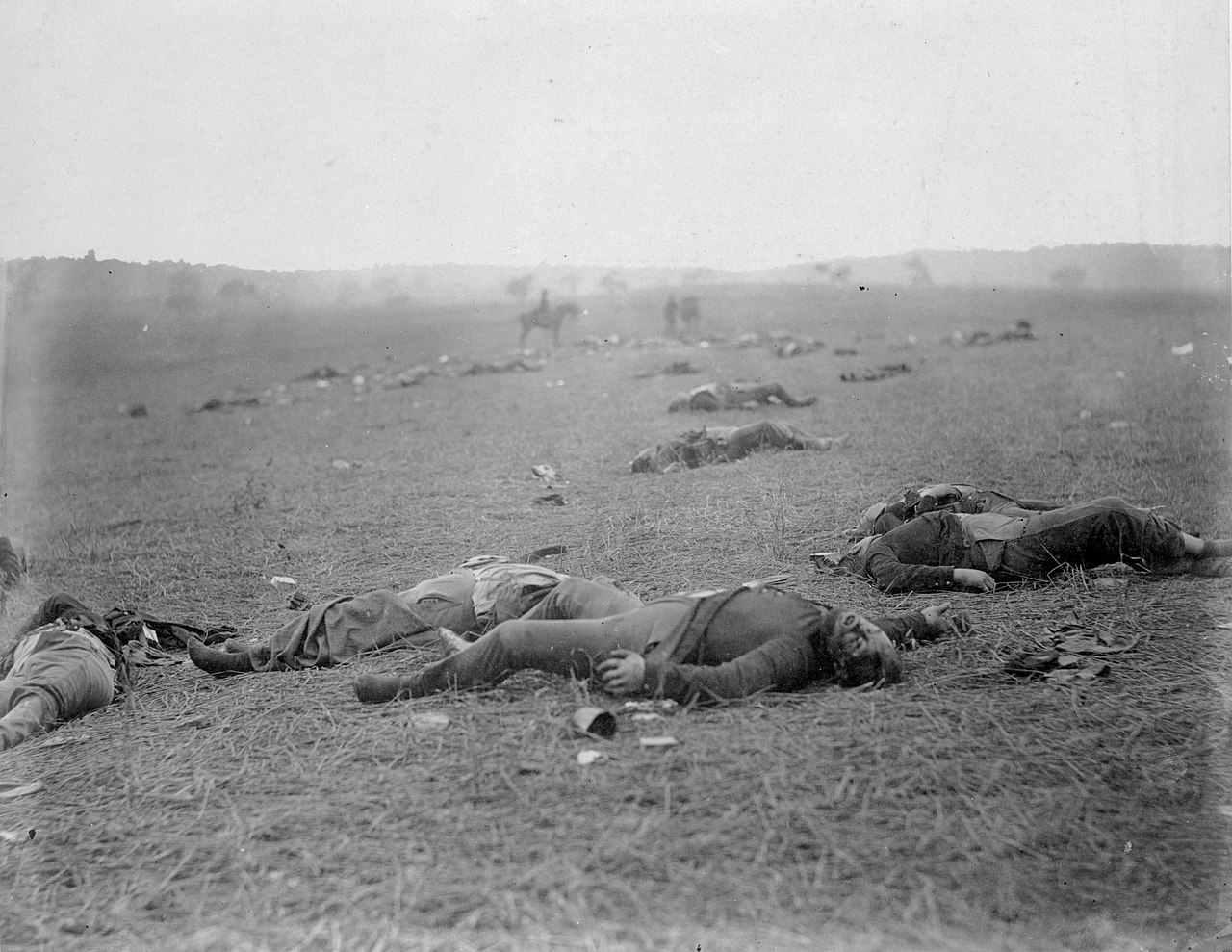


Common causes and motivating factors
Several recurring motives help explain why civil wars begin. First, political struggle over who rules or how a state is governed can escalate into armed confrontation when institutional mechanisms for peaceful change fail or are perceived as illegitimate. Election disputes and challenges to contested authority are frequent triggers; for further discussion on contested elections consult electoral conflict resources. Second, demands for separation or independence—wars of secession—arise when a region or group seeks to form a new state; more on secessionist movements is available at secession studies. Third, internal divisions tied to ethnicity, religion, language, or regional identity can create grievances that lead some communities to pursue autonomy or independence; see materials on group identity and autonomy at autonomy and identity and ethnic conflict. Economic inequality, resource competition, and state weakness are additional structural contributors.
Typical dynamics and phases
Civil wars often evolve in complex ways. Initial clashes between two sides may fragment into multiple armed factions, local militias, or criminal networks. External actors sometimes intervene—providing weapons, funding, or diplomatic backing—turning a domestic dispute into a proxy confrontation that draws in regional rivals; background on proxy dynamics is at proxy conflict analysis. Conflicts pass through phases of mobilization, sustained fighting, bargaining, and either settlement or stalemate. Humanitarian crises, displacement, and erosion of public institutions commonly accompany prolonged violence.
Consequences and importance
The human and material costs of civil wars are substantial: loss of life, population displacement, destruction of infrastructure, and long-term social trauma. Economies contract, basic services falter, and political reconciliation may take generations. International law and humanitarian norms aim to protect civilians and regulate conduct in internal conflicts, though enforcement is often difficult in practice.
Distinctions and notable points
- Rebellion vs civil war: minor uprisings or riots are not always classified as civil wars unless the violence is sustained and organized.
- Insurgency and counterinsurgency: civil wars with guerrilla tactics focus on protracted asymmetric warfare rather than conventional battles.
- Secession vs autonomy: some movements demand full independence, while others seek greater self-rule without creating a new state; policy responses differ accordingly.
Understanding civil wars requires attention to political institutions, social cleavages, economic conditions, and international context. For further resources and case studies, consult introductory materials and databases listed at independence and conflict resources and the links above.
Questions and answers
Q: What is a civil war?
A: A civil war is a type of war that takes place between two or more groups in one country.
Q: What are the two common reasons for civil wars?
A: The two common reasons for civil wars are disagreement about who should be in charge, or how the country should be run, and when one group of people does not want to be part of the country anymore and wants independence or autonomy.
Q: How destructive can civil wars be?
A: Civil wars can be just as destructive and damaging as international wars.
Q: Can foreign countries become involved in a civil war?
A: Yes, foreign countries may help one side, or different countries may help different sides which could turn into a proxy war.
Q: Is it possible for new sides to join a civil war after it has started?
A: Yes, groups who were not involved at the beginning can easily be sucked in as they fight to defend themselves against both sides.
Q: How quickly can a civil war become complicated?
A: Civil wars tend to become complicated very quickly.
Related articles
Author
AlegsaOnline.com Civil war: causes, dynamics, and consequences Leandro Alegsa
URL: https://en.alegsaonline.com/art/20607