
Petroleum product: refined oil products, uses, and production
A petroleum product is any useful substance obtained by refining crude oil. This article explains common products, how they are made, historical development, main uses, and distinctions from petrochemicals.
Overview
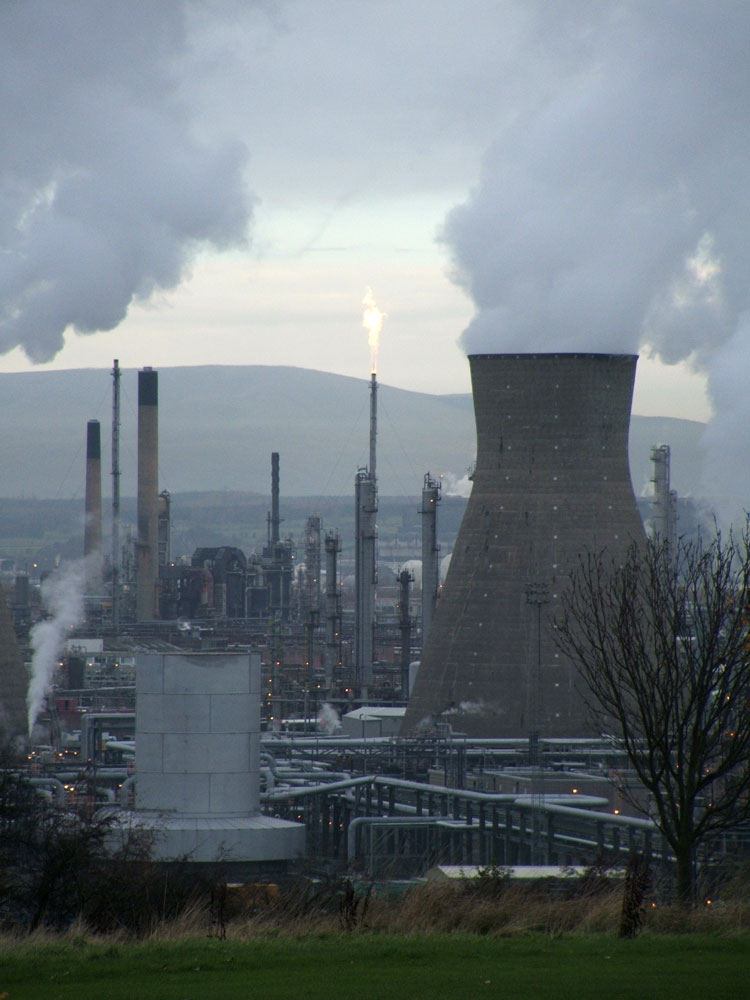
A petroleum product is any chemical substance derived from crude oil through physical and chemical processes carried out in an oil refinery. Refining separates and converts the complex mixture of hydrocarbons in crude oil into fractions and finished products with specific properties. Many petroleum products are fuels used for transport and heating, while others serve as feedstocks for industry, construction materials, or consumer goods.
Image gallery
9 Images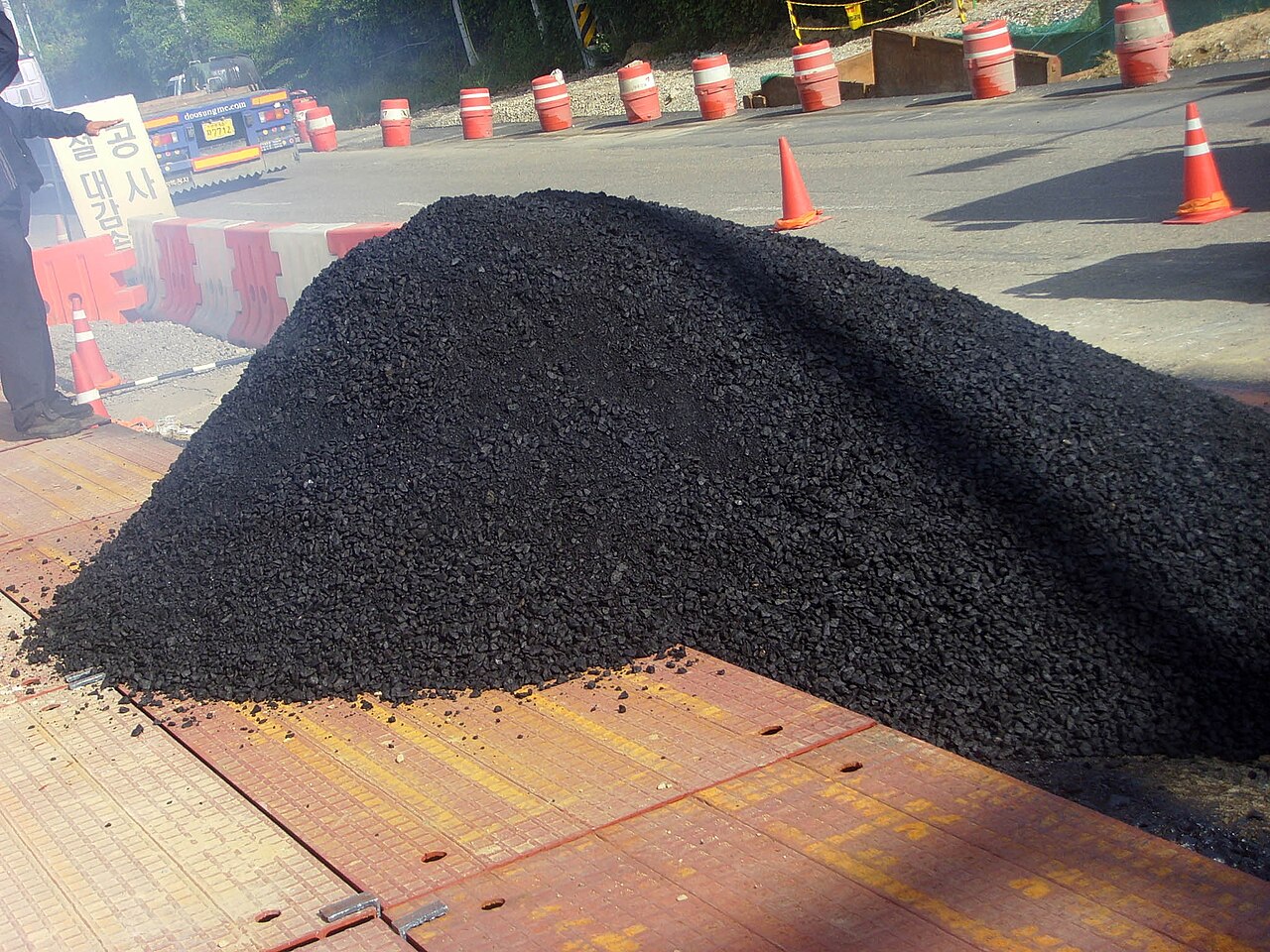




Common products and categories
Refineries produce a wide array of substances. Major categories include transportation fuels, industrial feedstocks, and specialty materials. Typical items are:
- Fuels — the broad group that powers vehicles and machinery.
- Gasoline, used mainly in spark‑ignition engines.
- Diesel fuel, for compression‑ignition engines in trucks, buses and some cars.
- Fuel oil, used for power generation and large boilers.
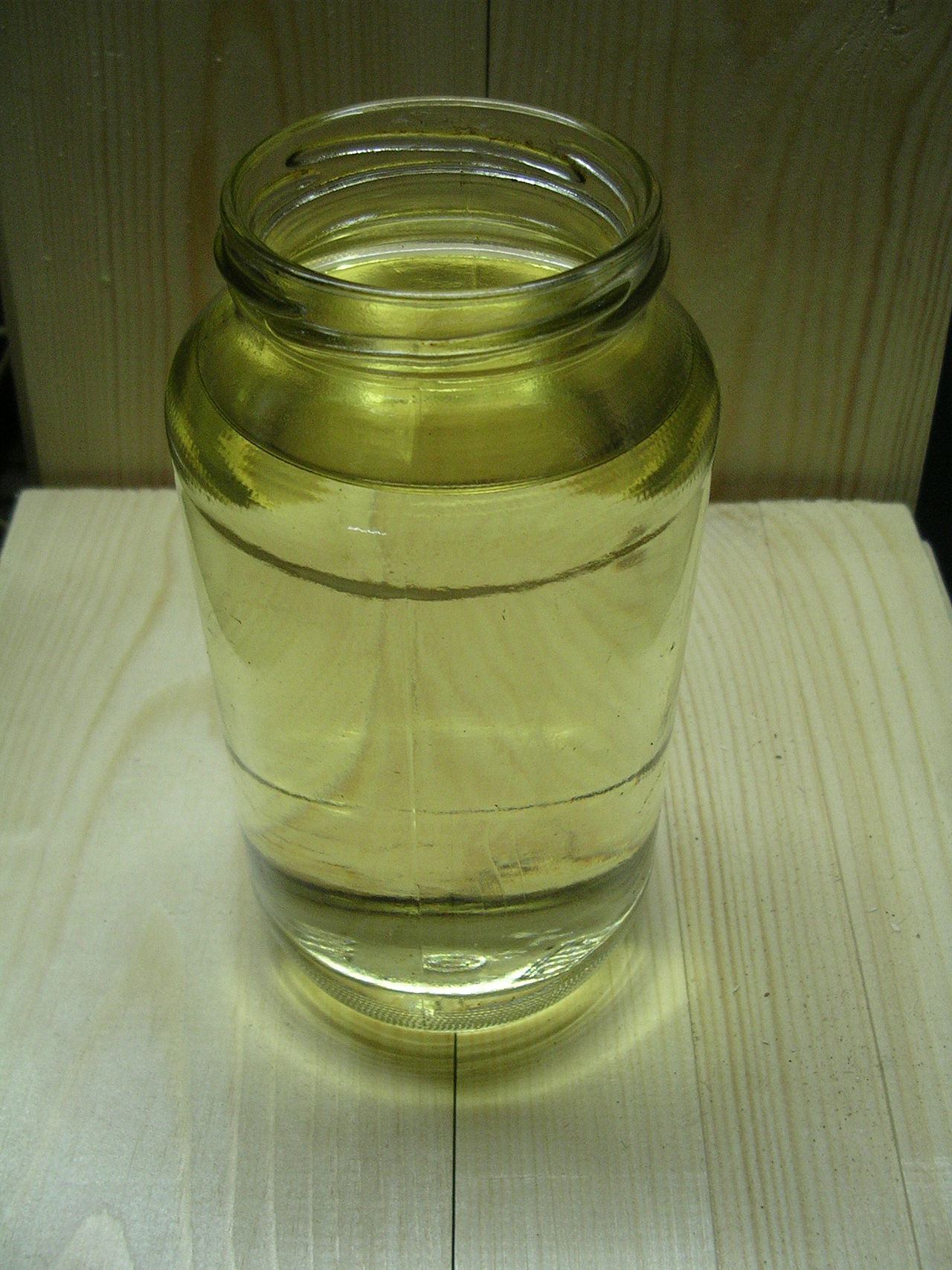
- Kerosene, used in aviation (jet fuel blends) and heating.
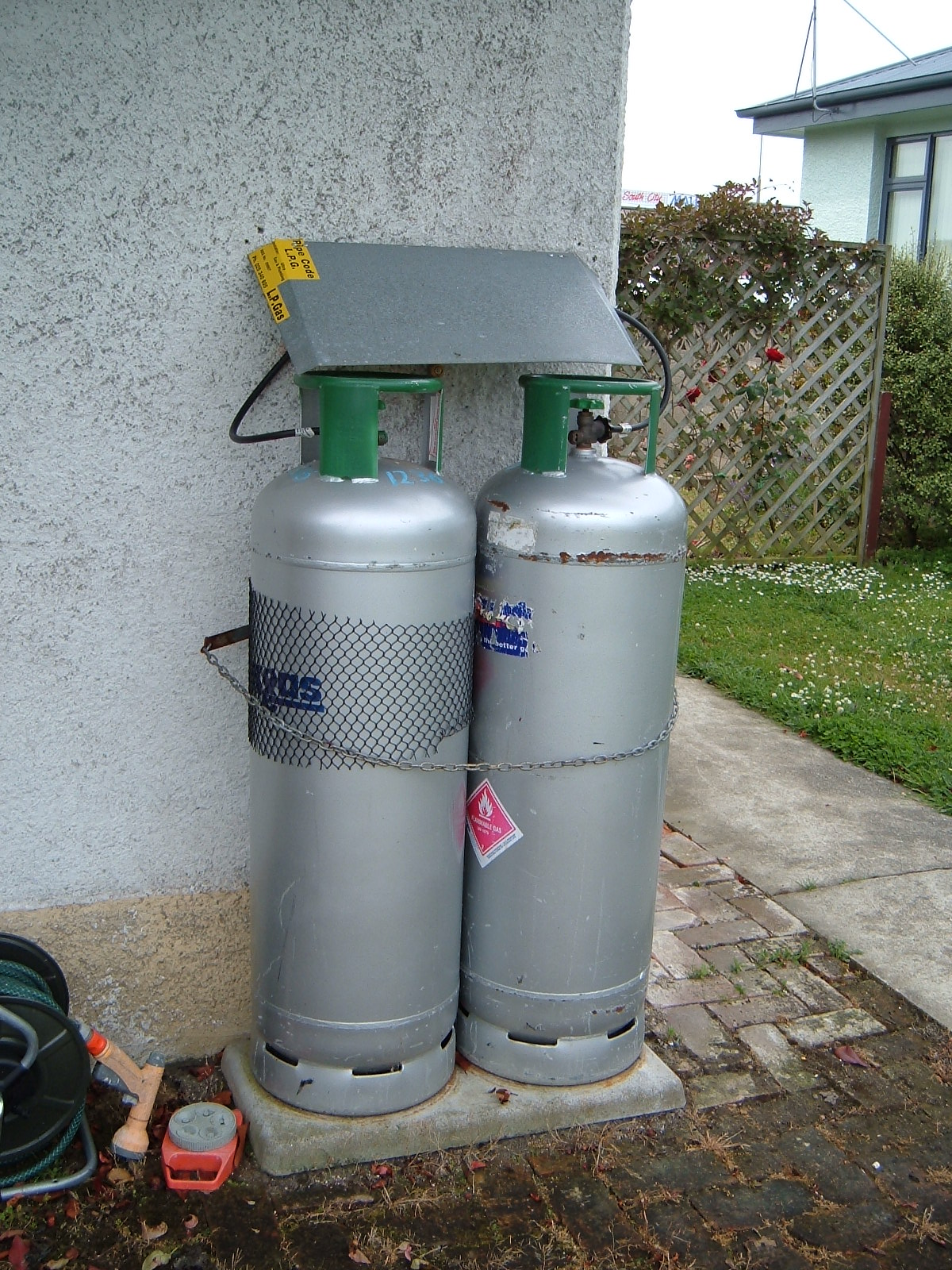
- Liquefied Petroleum Gas (LPG) and smaller light gases such as propane.
- Asphalt, commonly used in road surfacing and roofing.
- Tar, a heavier residue used historically in paving and waterproofing.
- Industrial waxes and lubricants for mechanical systems.
- Other refinery coproducts include elemental sulfur and derived sulfuric acid.
- Many petrochemicals and plastics begin as refinery fractions that are further processed in chemical plants.
Production processes
Crude oil refining combines physical separation—such as fractional distillation—with chemical conversion technologies including cracking, reforming, and treating. These operations alter molecular size, remove impurities, and adjust properties like volatility and octane number. The balance of conversion and separation determines the mix and quality of final products; refineries optimize for regional demand and crude type.
History, importance and uses
Large‑scale refining developed in the 19th and 20th centuries as internal combustion engines and industrial chemistry expanded demand for liquid fuels and chemical feedstocks. Today petroleum products underpin transportation, road construction, agriculture (through fertilizers and fuels), and countless manufactured goods. While energy transitions are shifting demand patterns, petroleum derivatives remain integral to many supply chains because of their energy density and chemical versatility.
Distinctions, environmental aspects and notable facts
Petroleum products differ from crude oil (the raw feedstock) and from natural gas (a related but distinct hydrocarbon resource). Some products are finished fuels, others are intermediates for the chemical industry. Environmental concerns include greenhouse gas emissions from combustion, air pollutants from incomplete combustion, and local risks from spills and refining operations. Alternatives—biofuels, electrification, recycling of chemical feedstocks—are part of ongoing efforts to reduce environmental impacts while maintaining essential services that refined petroleum currently provides.
Further reading and resources
For technical descriptions and standards, industry and regulatory publications outline product specifications and testing methods. Educational overviews and chemical data sheets explain composition, handling, and typical uses across sectors. See introductory material from general energy and chemical references for more context.
Related articles
Author
AlegsaOnline.com Petroleum product: refined oil products, uses, and production Leandro Alegsa
URL: https://en.alegsaonline.com/art/76230