
Phosgene (carbonyl chloride): properties, history and industrial uses
Phosgene (COCl2) is a colorless, toxic gas used industrially as a chemical building block. Noted for its haylike odor and delayed pulmonary injury, it was a major chemical weapon in World War I.
Phosgene is a simple carbonyl chloride known chemically as a chemical compound with the formula COCl2. At ambient conditions it is a colorless gas with a faint, musty odor often compared to freshly cut hay or grass. Phosgene is heavier than air and can accumulate in low-lying areas; because its pulmonary effects may be delayed by several hours, initial exposure can appear deceptively mild.
Image gallery
5 Images


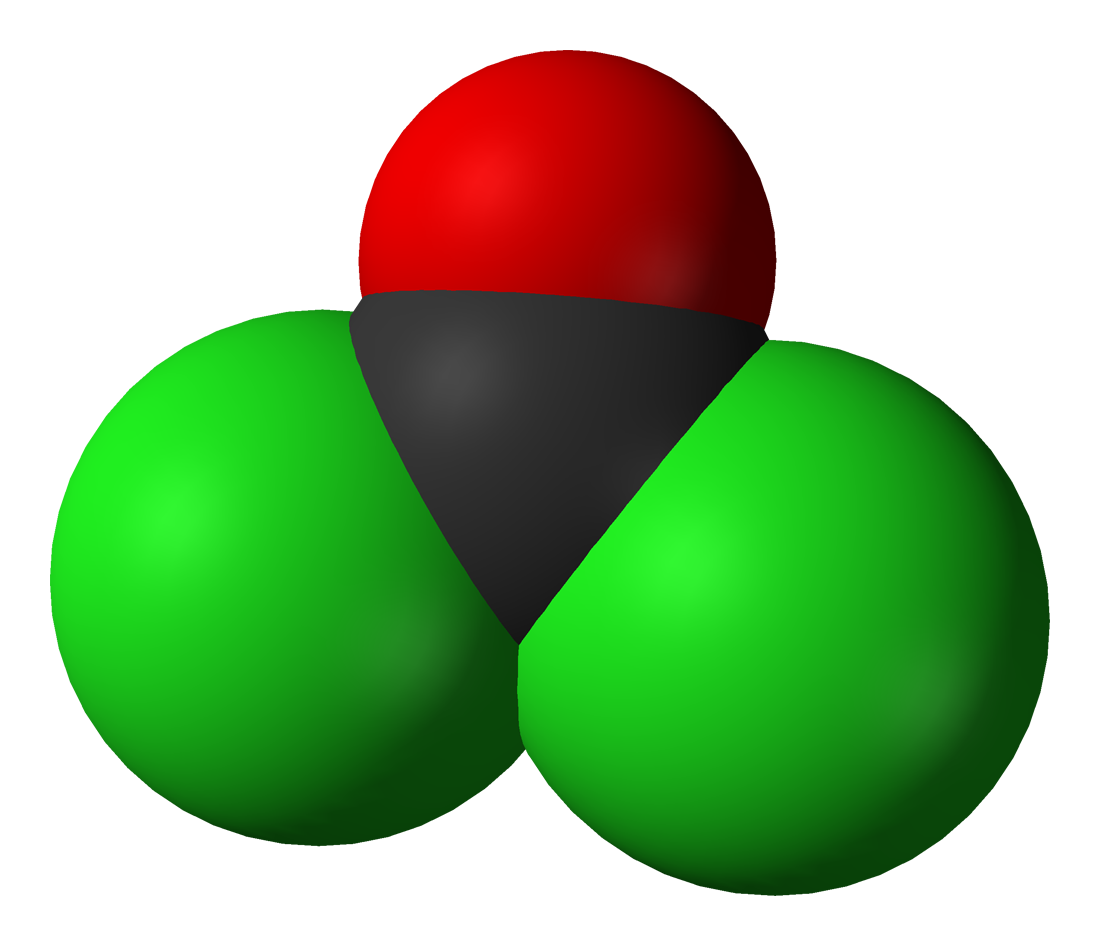
Physical and chemical characteristics
Phosgene is a reactive electrophilic molecule that readily acylates nucleophiles. It hydrolyzes slowly in water to give hydrogen chloride and carbon dioxide. The gas has a relatively low odor threshold for some people, but not everyone can detect it reliably, so odor is an unreliable safety indicator. Its reactivity makes it a useful intermediate in chemical manufacturing but also the reason for its toxicity.
History and wartime use
Phosgene became notorious as a choking agent during World War I, when it caused large numbers of casualties due to its ability to damage the respiratory tract and produce pulmonary edema. Although less immediately obvious than chlorine, it was responsible for a large fraction of gas-related fatalities in that conflict. Its wartime use led to later international prohibitions on chemical warfare and tighter controls on production and storage.
Production and industrial applications
Industrially, phosgene is produced by reacting carbon monoxide with chlorine, typically over a solid catalyst. It serves as a key reagent in organic chemistry and industrial synthesis, for example in the manufacture of isocyanates, acid chlorides, polycarbonates and certain pharmaceuticals and agrochemicals. Small-scale laboratory uses also exploit its ability to introduce carbonyl chloride functionality.
- Organic synthesis: preparation of acid chlorides and carbonate linkages.
- Polymer production: intermediate in some polycarbonate and polyurethane routes.
- Specialty chemicals: used to make isocyanates and other intermediates.
Phosgene can also form unintentionally: traces may be given off when certain chlorine-containing organic compounds burn or decompose, and under some conditions during the breakdown of solvents. For this reason the storage and handling of chlorinated materials and some solvents must account for the small but real potential for phosgene formation, especially in the presence of oxygen and light or heat. Related concerns involve a range of chlorinated compounds that can yield toxic byproducts when mishandled.
Health effects, detection and regulation
Phosgene injures the lungs by reacting with proteins and lipids in the alveoli, causing inflammation and fluid accumulation (pulmonary edema). Symptoms may be delayed, so exposed persons require medical evaluation even if initially asymptomatic. There is no specific widely approved antidote; treatment is supportive and focuses on oxygenation and respiratory care. Industrial safety relies on engineering controls, continuous monitoring, personal protective equipment and emergency planning. Because of its history as a weapon and its toxicity, production, storage and use of phosgene are subject to strict legal controls and international agreements.
For more detailed guidance on handling and emergency response consult specialized safety literature and regulatory sources. Manufacturers and laboratories typically use gas detectors, fixed monitors and colorimetric badges to warn of dangerous concentrations and to protect workers and first responders.
Questions and answers
Q: What is phosgene?
A: Phosgene is a chemical compound with the formula COCl2.
Q: What is the historical significance of phosgene?
A: Phosgene was used as a weapon during World War I and was responsible for most of the deaths related to poison gas during the war.
Q: How is phosgene used today?
A: Phosgene is used as a tool for organic synthesis.
Q: What is the color of phosgene gas?
A: Phosgene gas has no color.
Q: What does phosgene smell like?
A: When there is a small amount in the air, the smell of phosgene is similar to that of freshly cut hay or grass. Some soldiers during the First World War have stated that it smelled a little like May Blossom.
Q: How is phosgene produced?
A: When some compounds of chlorine burn or break down, small amounts of phosgene are given off.
Q: Is phosgene a safe chemical?
A: No, phosgene is a dangerous chemical and must be handled with extreme caution.
Related articles
Author
AlegsaOnline.com Phosgene (carbonyl chloride): properties, history and industrial uses Leandro Alegsa
URL: https://en.alegsaonline.com/art/76568
Sources
- doi.org : 10.1097/00043764-200102000-00008
- pubmed.ncbi.nlm.nih.gov : 11227628
- inchem.org : "Phosgene: Health and Safety Guide"