
Sulfuric acid: properties, production, uses and safety
Sulfuric acid (H2SO4) is a dense, highly corrosive strong acid used industrially and in laboratories. This article summarizes its chemistry, history, major applications, forms, and safety considerations.
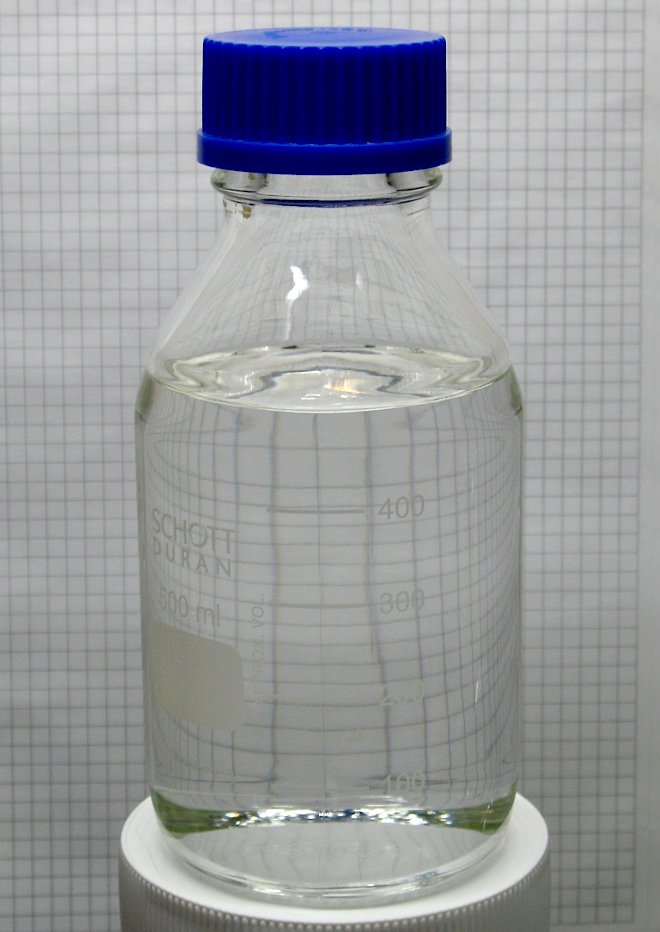
Sulfuric acid is a widely used inorganic acid and important industrial chemical. As a chemical compound, it is commonly represented by the formula H2SO4. It appears as a colorless to slightly yellow, oily liquid at room temperature and is prized for its ability to donate protons, absorb water, and act as a dehydrating and oxidizing agent under specific conditions.
Image gallery
10 Images



Characteristics and chemical behavior
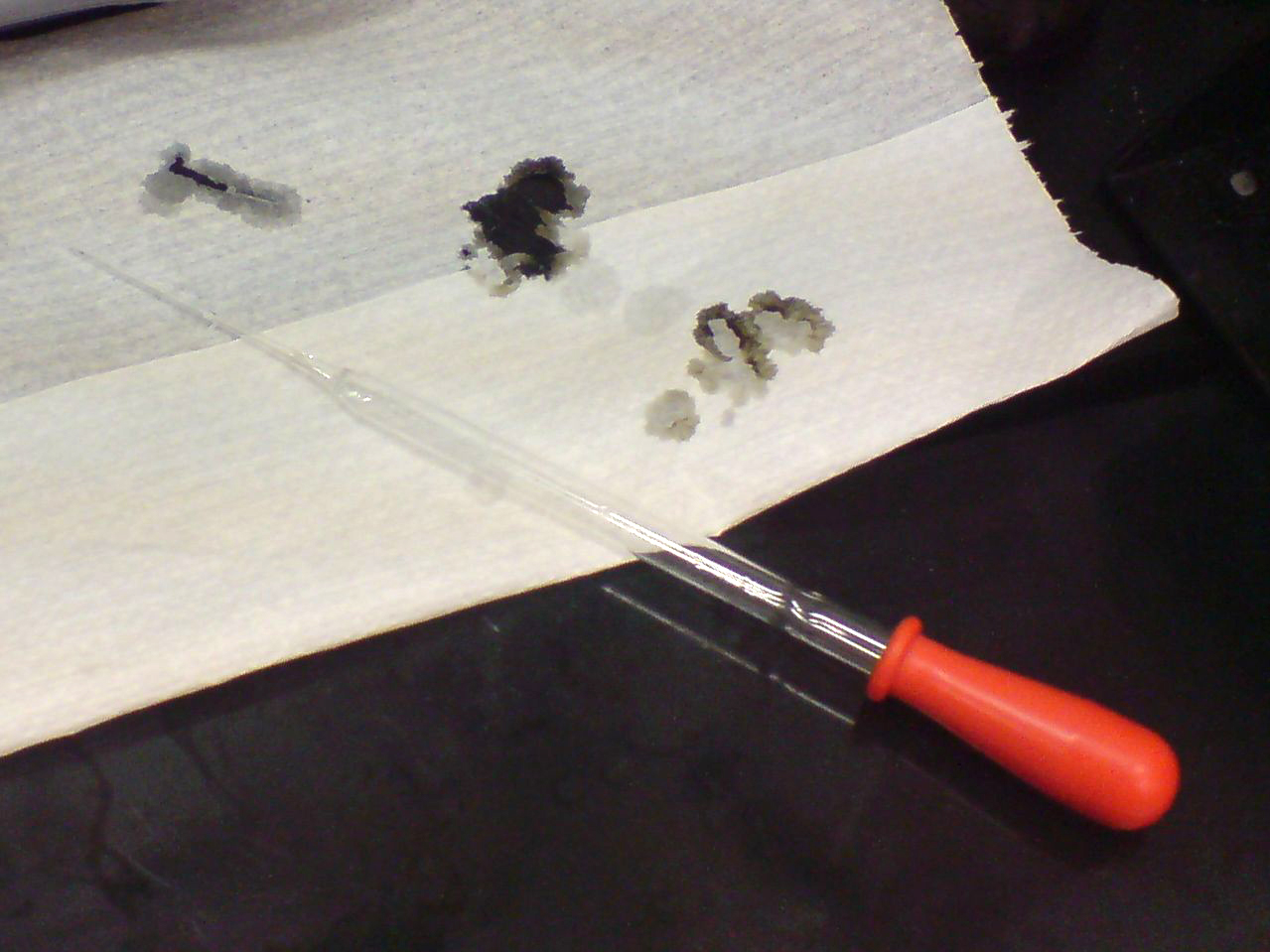
Sulfuric acid is a strong, diprotic acid: it can release two protons in aqueous solution and therefore strongly lowers pH. Concentrated acid is a powerful dehydrating agent and can char organic material by removing water. When mixed with water it releases a large amount of heat, so dilution must be done by adding acid to water slowly. At higher concentrations the acid can act as an oxidizer, especially in the presence of reactive metals or organic compounds.
History and production
Historically known as "oil of vitriol," sulfuric acid has been produced and used for centuries. Modern industrial production mainly uses catalytic conversion of sulfur dioxide to sulfur trioxide followed by absorption to form the acid, commonly called the contact process. Variants and intermediates such as oleum (solutions of sulfur trioxide in sulfuric acid) are used to control concentration and reactivity.
Major uses and examples
- Manufacture of phosphate fertilizers (by converting phosphate rock to soluble forms).
- Production of many industrial chemicals, including sulfate salts and intermediates.
- Petroleum refining, metal pickling and surface treatment to remove oxides.
- Lead–acid battery electrolyte in vehicles and backup power systems.
- Laboratory reagent for acid-base reactions, dehydration, and synthesis.
Forms, concentrations and notable distinctions
Sulfuric acid is supplied in a range of concentrations. "Concentrated" commercial or laboratory acid is typically near the highest stable purity commonly sold, while dilute solutions are used for routine chemical work. Oleum and fuming sulfuric acid contain dissolved sulfur trioxide and are stronger and more reactive than ordinary concentrated acid; they are used when higher sulfonation power or controlled addition of SO3 is required.
Handling, hazards and environmental aspects
The substance is highly corrosive and can cause severe chemical burns on contact with skin or eyes and respiratory harm if inhaled. It reacts vigorously with water and many metals; spills require neutralization and careful cleanup. In the environment, sulfuric acid itself is hazardous, and emissions of sulfur oxides that form sulfuric acid in the atmosphere are a primary cause of acid rain. Proper personal protective equipment, ventilation, and spill procedures are essential when working with this material.
For further technical or regulatory details consult safety data sheets and authoritative chemical references. See also entries on related sulfur oxides and industrial processes for broader context.
Related articles
Author
AlegsaOnline.com Sulfuric acid: properties, production, uses and safety Leandro Alegsa
URL: https://en.alegsaonline.com/art/94717
Sources
- chemistry.about.com : Reaction