
Kerosene (paraffin oil): properties, production, uses, and safety
Kerosene, also called paraffin oil, is a flammable hydrocarbon fuel distilled from crude oil. This entry covers its composition, production, common uses (lighting, heating, aviation), history, and safety issues.
Kerosene, often referred to as paraffin oil in parts of the world, is a clear to pale liquid hydrocarbon fuel obtained primarily by distillation of crude oil. It occupies an intermediate boiling-range fraction between lighter gasoline and heavier diesel fuels and is valued for its relatively low volatility, clean-burning flame, and stability in storage. The term "kerosene" is widely used in North America, while "paraffin" or "paraffin oil" is common in other English-speaking regions.
Image gallery
8 Images




Composition and production
Kerosene is produced by fractional distillation of petroleum, where crude oil is heated and separated into fractions by boiling point. The resulting kerosene fraction is then treated to remove sulfur and other impurities and sometimes blended with additives to improve ignition characteristics or reduce smoke. Historically, similar distillates were made from coal or oil shale in the 19th century before large-scale petroleum refining became dominant.
Physical characteristics
- Appearance: typically colorless or slightly straw-colored.
- Odor and volatility: milder smell and lower volatility than gasoline, which reduces vapor hazards but also makes ignition harder at low temperatures.
- Flammability: combustible with a flash point higher than gasoline; it burns with a relatively steady, non-sooty flame when properly vaporized.
Common uses
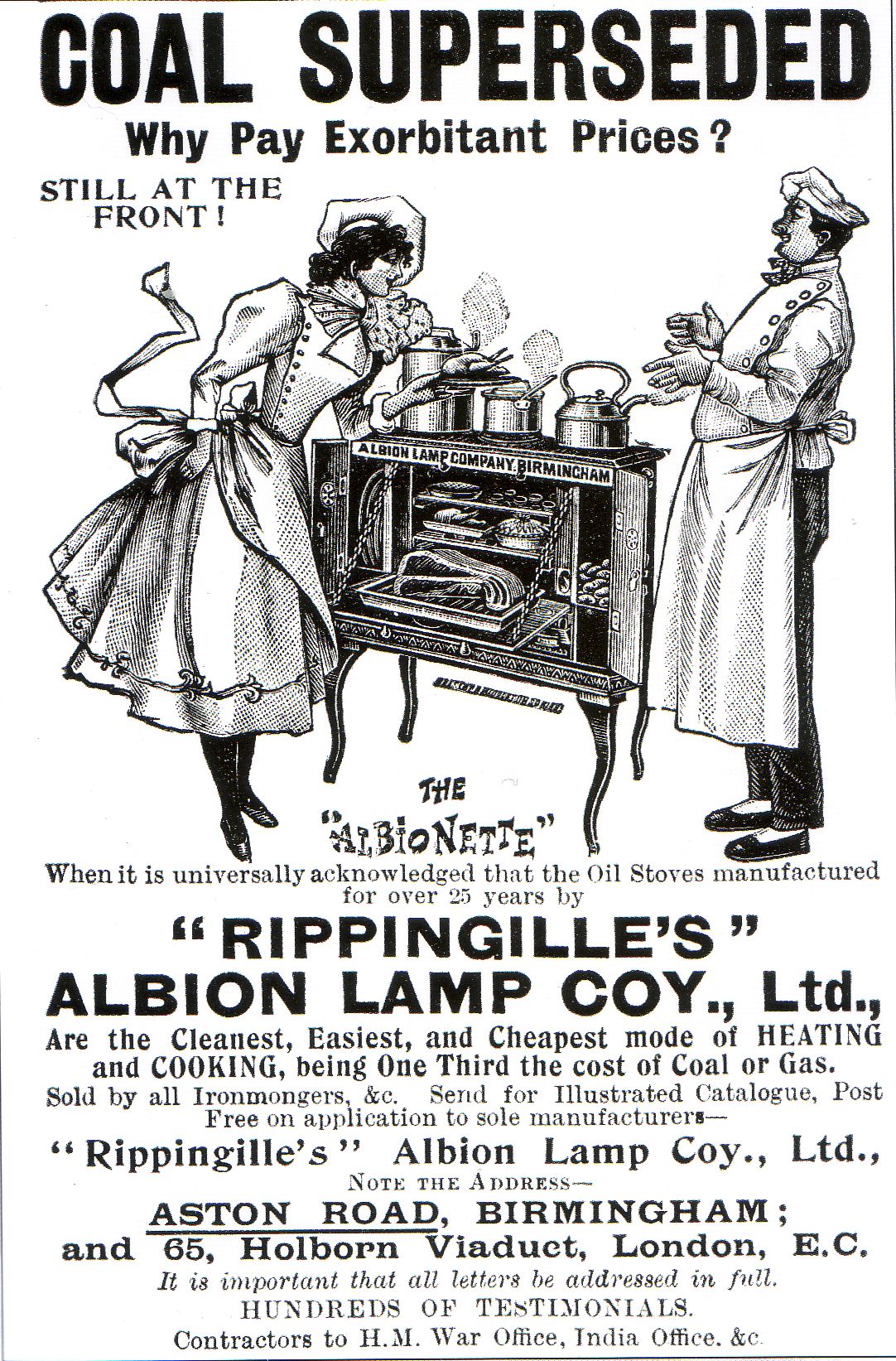
Kerosene has a range of applications across domestic, industrial and transportation sectors. Traditional household uses include fuel for wick lamps, portable heaters, and some types of cooking stoves. In many developing regions kerosene remains an important household fuel where piped natural gas or electricity are unavailable. Industrially, kerosene is a solvent and cleaning agent and is used to store reactive alkali metals such as sodium or potassium because it excludes air and moisture. The aviation sector uses specialized kerosene-based fuels (commonly called jet fuel) for many types of turbine engines.
History and significance
The rise of kerosene in the mid-19th century transformed lighting by replacing whale oil and other poorer-quality fuels, encouraging safer and brighter indoor illumination and contributing to the growth of modern refineries. Over time, advances in refining and regulation reduced impurities and improved safety, while alternative energy sources and electrification have reduced domestic demand in many regions.
Safety and environmental notes
Kerosene is toxic if ingested and can cause respiratory damage if aspirated. Combustion releases carbon dioxide and other pollutants; modern formulations and burners aim to minimize smoke and sulfur emissions. Safe storage requires sealed containers away from heat and open flame, and many jurisdictions regulate its sale and use, particularly for aviation or large-scale commercial applications.
Distinctions and notable facts
Although the words kerosene and paraffin are often used interchangeably, regional naming varies. Kerosene differs from diesel and gasoline mainly in boiling range and volatility; jet fuels are refined kerosenes formulated for cold-flow properties, ignition quality, and additives for engine and fuel-system protection.
Further reading and resources
- General overview of kerosene properties
- Refining processes that produce kerosene
- Domestic and household uses of kerosene
- Fractional distillation explained
- Crude oil and its fractions
- Kerosene lamps and lighting history
- Stoves and cooking with liquid fuels
- Kerosene heaters and safety advice
- Aviation kerosene (jet fuels)
- Regional fuel usage and developing countries
- Storing reactive metals under kerosene
- Health, safety and environmental guidance
Related articles
Author
AlegsaOnline.com Kerosene (paraffin oil): properties, production, uses, and safety Leandro Alegsa
URL: https://en.alegsaonline.com/art/53023