
Wax (organic lipids): properties, types, and common uses
A concise, neutral overview of wax — a class of hydrophobic organic lipids. Covers chemical nature, key properties, natural and synthetic types, historical uses, modern applications, and distinctions.
Overview
Wax is a broad term for a class of organic compounds—primarily long-chain esters, alcohols, or hydrocarbons—that are solid or semi-solid at room temperature and are hydrophobic. As a type of lipid, wax plays biological roles (for example in plant cuticles and animal secretions) and has extensive practical applications, from candles to coatings and cosmetics.
Image gallery
5 Images


Properties and chemistry
Waxes are typically soft and malleable at ambient temperatures and have melting points generally above about 45 °C; the precise value varies with composition. They are insoluble in water and repel it, making them useful as moisture barriers. Chemically, many natural waxes are mixtures of long-chain fatty acid esters, alcohols, and hydrocarbons. They are combustible, chemically stable under normal conditions, and can be refined or blended to adjust hardness, melting range, and appearance. For a technical entry point see melting point references.
Types and sources
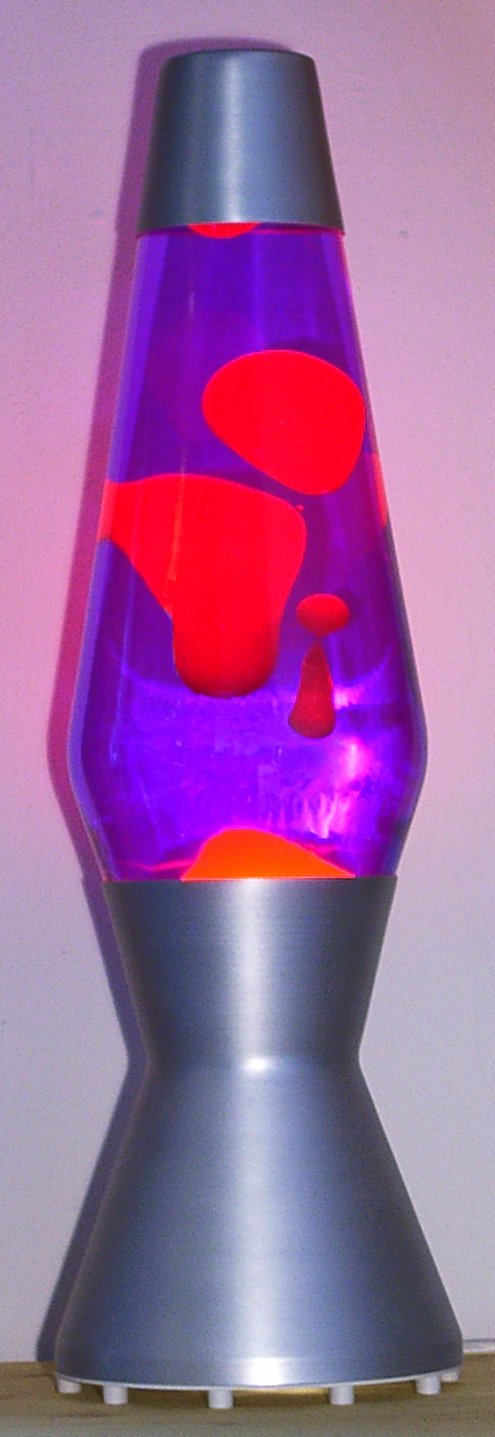
Waxes occur both in nature and as manufactured products. Common natural examples include beeswax produced by honeybees, vegetable waxes such as candelilla and carnauba from plant cuticles, and mineral-derived paraffin wax from petroleum refining. Biological secretions like earwax are specialized waxy mixtures found in animals. Synthetic or modified waxes are made to provide consistent performance in industrial and consumer products.
Uses and examples
Waxes serve many functions because of their water-repellent and film-forming properties. Typical uses include:
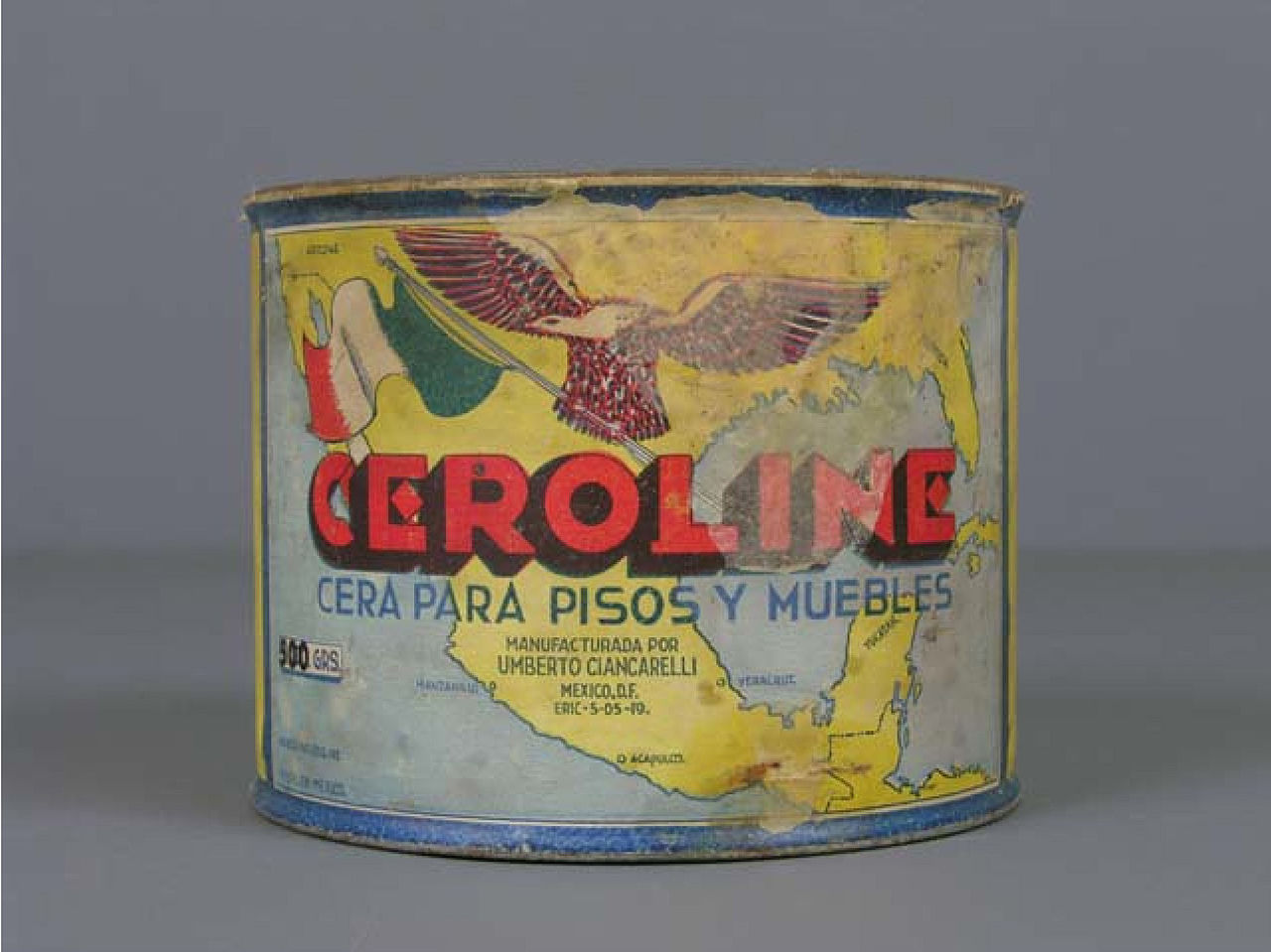
- Surface coatings and polishes for furniture, floors, and automobiles.
- Candles and lighting historically and decoratively.
- Cosmetics and personal-care formulations such as lip balms and creams.
- Food-grade coatings and packaging—e.g., waxed paper and coatings for fruits.
- Writing and record-keeping historically, as with the wax tablet, and contemporary sealing of documents.
- Hair removal and cosmetic procedures, often referred to as waxing.
History, distinctions, and notable facts
Waxes have ancient origins: they were among the earliest widely used materials for sealing, illumination, and surface protection. Different waxes are chosen for specific tasks—beeswax for fine arts and encaustic painting, paraffin for inexpensive candles, and carnauba for high-gloss finishes—because each has distinct hardness, melting range, and gloss. Environmental and safety issues influence selection today: some waxes are renewable and biodegradable, while petroleum-based waxes are derived from nonrenewable resources and require recycling or disposal considerations. When handling waxes, account for flammability at elevated temperatures and follow manufacturer guidance for melting and storage.
Related articles
Author
AlegsaOnline.com Wax (organic lipids): properties, types, and common uses Leandro Alegsa
URL: https://en.alegsaonline.com/art/106942