
Gasoline (Petrol): Properties, Production, Uses, and Safety
Commonly called petrol, gasoline is a volatile petroleum-derived fuel used mainly in spark-ignition engines. This article explains composition, refining, grades, uses, safety and environmental concerns.
Overview
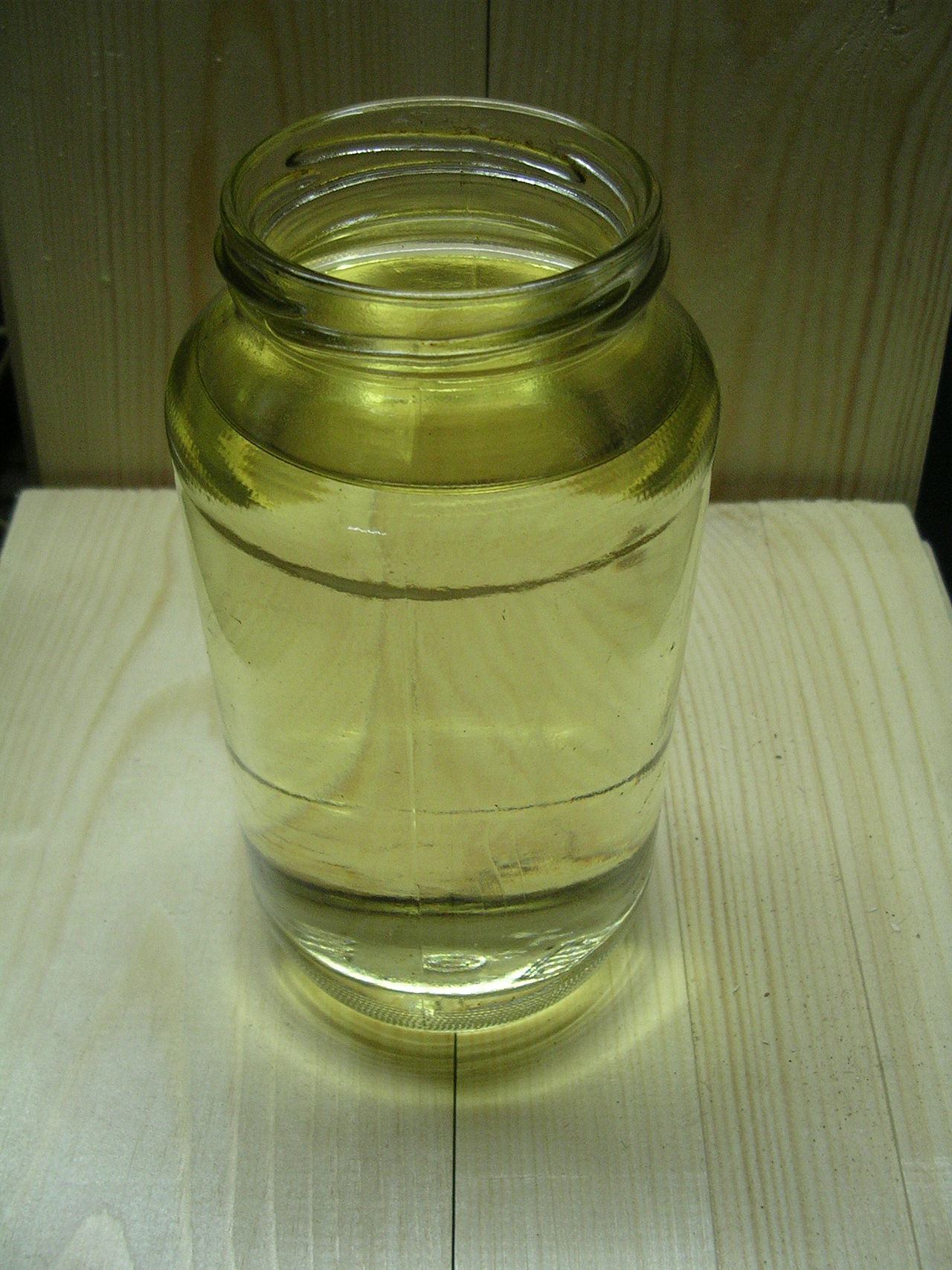
Gasoline, also known as petrol, is a volatile, often toxic clear liquid that serves primarily as a fuel for modern spark-ignition or internal combustion engines. It is a complex blend of hydrocarbons and is valued for its high energy density and ease of vaporization, which make it suitable for transport and small engines.
Image gallery
10 Images







Production and composition
Commercial gasoline is obtained from crude oil through fractional distillation and further refining processes. Crude petroleum, a fossil fuel, is heated to a very high temperature so that components separate by boiling point. The gasoline fraction is then treated, reformed and blended; it contains many molecules including branched and cyclic forms of octane and other hydrocarbon compounds. Exact composition varies by crude source, refinery configuration and seasonal or regulatory requirements.
Grades, additives and distribution
Gasoline is marketed in several grades distinguished by an octane rating, which measures resistance to knock in engines. Common retail grades are often labeled regular, midgrade and premium. Refineries and marketers include chemical additives to control deposits, improve stability and reduce emissions. Consumers buy gasoline at retail gas stations, where prices and formulations can differ by region and season.
Uses and typical examples
The main use of gasoline is to power light-duty vehicles (cars, motorcycles, small trucks) and portable engines such as lawnmowers and generators. It is formulated for rapid vaporization in the intake tract and reliable ignition by a spark. Specialty fuel blends are produced for motorsport, marine engines and some aviation piston engines; each blend balances volatility, energy content and additives for its intended application.
Health, safety and environmental considerations
Gasoline poses multiple hazards: it is flammable and its vapors can form explosive mixtures with air. Direct skin contact or prolonged inhalation can be harmful; proper storage and handling are required to reduce fire and health risks. Environmentally, combustion of gasoline releases carbon dioxide and other pollutants; spillage and leaks can contaminate soil and groundwater. Regulations and technology—such as catalytic converters and vapor recovery systems—aim to mitigate these impacts.
History and notable distinctions
As an automotive fuel, gasoline rose to prominence in the early 20th century with the widespread adoption of spark-ignition engines. Over time, refinements in refining, octane boosting and emission control have changed both composition and regulation. Today gasoline remains central to road transport, though alternatives like electric drivetrains and low-carbon fuels are increasingly prominent in discussions about the future of mobility.
- Key properties: high energy per unit mass, volatility, chemical variability.
- Common concerns: flammability, toxicity, greenhouse gas emissions.
- Consumer tip: follow manufacturer recommendations for octane and use approved storage containers.
For further reading, general resources and technical overviews are available from industry and regulatory bodies; seek materials that explain local fuel standards, storage codes and environmental regulations in detail. More on composition, fuel basics and engine compatibility can provide helpful practical guidance.
Distillation, crude oil, fossil sources, refining temperatures, octane chemistry, hydrocarbon types, retail distribution, additive classes, rating systems — these topics are commonly covered in introductions to fuels and petroleum technology.
Questions and answers
Q: What is gasoline?
A: Gasoline is a toxic, clear liquid that is mostly used as a fuel in internal combustion engines. It is made by boiling petroleum, a fossil fuel.
Q: How is gasoline made?
A: Gasoline is made through a distillation process where petroleum is heated to a very high temperature and then separates into its components, one of which being gasoline.
Q: What are the main components of gasoline?
A: The main component of gasoline is octane (C8H18), which is a hydrocarbon.
Q: Where can you buy gasoline?
A: You can buy gasoline at gas stations or petrol stations.
Q: What are the different grades of gasoline?
A: Gasoline is graded by its octane rating which measures how well it will burn. Most car engines can burn "regular" grade with an octane rating of 87 while precision-made engines require or prefer "premium" grade with an octane rating of 93. Most stations offer three different mixtures with three separate octane ratings and prices.
Q: Is the exact make up of each brand's gasoline the same across all gas stations?
A: No, each brand's make up may be slightly different depending on what additives they include in order to burn properly in high-compression internal combustion engines.
Related articles
Author
AlegsaOnline.com Gasoline (Petrol): Properties, Production, Uses, and Safety Leandro Alegsa
URL: https://en.alegsaonline.com/art/37683
Sources
- cta.ornl.gov : "Appendix B - Transportation Energy Data Book"
- eere.energy.gov : Overview of Storage Development DOE Hydrogen Program
- doi.org : 10.1016/j.fuel.2010.01.032
- www1.eere.energy.gov : "Overview of Storage Development DOE Hydrogen Program"
- worldwatch.org : worldwatch.org/node/5579
- eia.doe.gov : eia.doe.gov/emeu/international/oilconsumption.html
- earthtrends.wri.org : "EarthTrends: Energy and Resources - Transportation: Motor gasoline consumption Units: Million liters"
- tonto.eia.doe.gov : "U.S. Prime Supplier Sales Volumes of Petroleum Products"
- fueleconomy.gov : Fuel Economy.gov, FAQ
- taxfoundation.org : taxfoundation.org
- fhwa.dot.gov : "When did the Federal Government begin collecting the gas tax? - Ask the Rambler - Highway History - FHWA"
- taxfoundation.org : "State Gasoline Tax Rates, as of January 1, 2011"
- consumerreports.org : "Paying for premium gas can be a waste of money"
- philly.com : "Gassing up with premium probably a waste"
- washingtonpost.com : "Brazil's Road to Energy Independence"