
Asphalt (bitumen): composition, uses, history and environmental issues
Asphalt, also called bitumen, is a dark, viscous petroleum product used chiefly in road paving, roofing and waterproofing. This article covers composition, types, history, uses, and environmental considerations.
Overview
Asphalt, commonly known as bitumen in many countries, is a dense, black, highly viscous material derived primarily from petroleum refining or found in natural deposits. It behaves as a liquid over long timescales but appears solid at ordinary temperatures. Because of its adhesive and waterproofing properties, asphalt is widely used as a binder in construction and as a surface material for roads and roofs.
Image gallery
10 Images




Composition and physical properties
At the molecular level, asphalt is a complex mixture of hydrocarbons and their derivatives, including resins and asphaltenes. Its physical behavior depends strongly on temperature: it softens and flows when heated, and becomes brittle when cooled. Key performance characteristics include viscosity, penetration (measure of softness), ductility, and resistance to oxidation. These properties are tailored by blending with polymers or additives to meet specific engineering requirements.
Types and terminology
- Petroleum bitumen: an end product of crude oil refining used in most modern pavements.
- Natural asphalt: occurences in seeps and deposits such as those that created the La Brea tar pits; historically used before large-scale refining.
- Tar and pitch: common colloquial names. 'Tar' more often refers to products from coal or wood carbonization, while 'bitumen' refers to petroleum-based material; the terms are sometimes used interchangeably in everyday speech.
- Tarmac and blacktop: informal names for road surfaces. 'Tarmac' derives from 'tar macadam' and has become a generic term for some surfaced pavements.
Uses and typical applications
The most prominent use of asphalt is in road construction, where it is mixed with aggregates (sand, gravel, crushed stone) to form asphalt concrete. This composite provides a durable, flexible surface that resists water intrusion and distributes traffic loads. Other applications include roofing membranes, waterproofing layers, adhesives, and some industrial coatings. Modifications such as polymer-modified asphalts and warm-mix technologies expand its performance and reduce production temperatures.
Production, recycling and processing
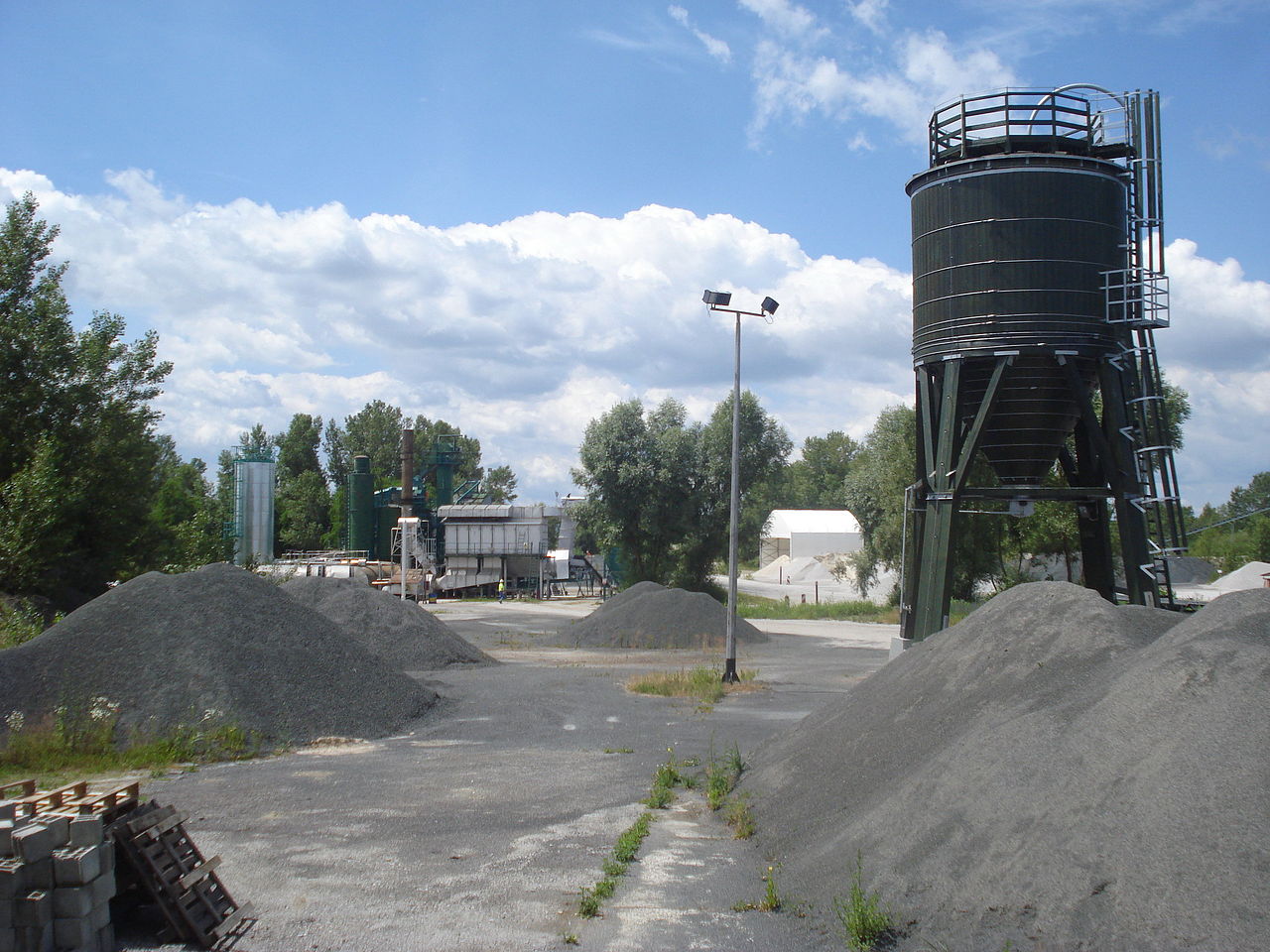
Asphalt for construction is produced by blending bitumen with appropriate aggregates and additives at asphalt plants. Recycling is common: reclaimed asphalt pavement (RAP) can be milled from old pavements and reintroduced into new mixes, reducing raw material use and emissions. Additional processing may include air blowing to alter hardness or blending with polymers to enhance elasticity and longevity.
Environmental, health and safety considerations
Production and laying of asphalt can generate fumes and greenhouse gas emissions, particularly at high temperatures. Modern practices aim to lower environmental impact through warm-mix techniques, increased recycling rates, and emissions controls. Spills of natural asphalt seeps can create ecological hazards, while occupational exposure to fumes is managed by regulations and protective equipment.
History and notable examples
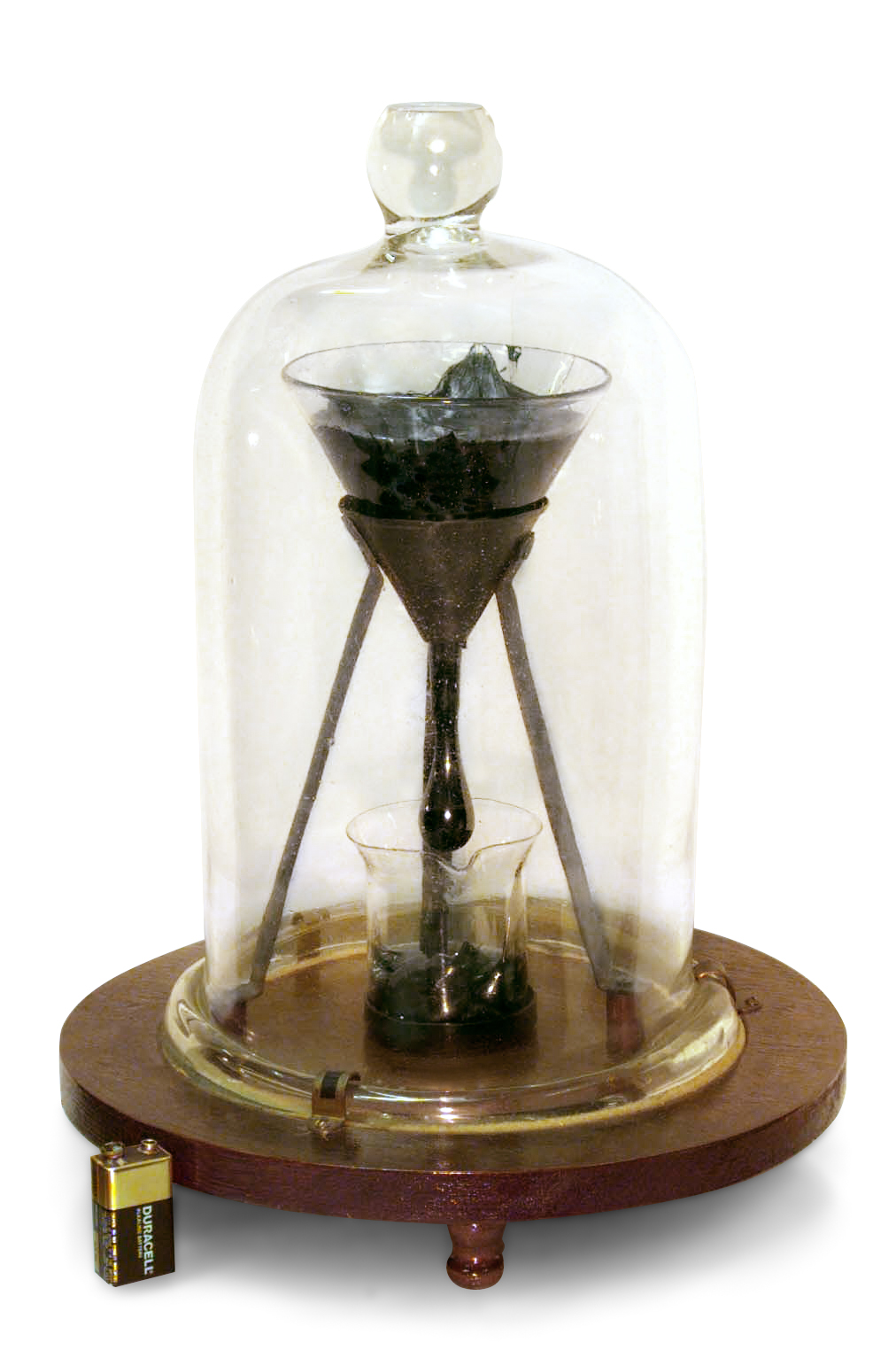
Asphalt has a long history of use in waterproofing and paving that predates industrial refining; ancient cultures used natural bitumen for sealing and construction. Famous natural occurrences such as the La Brea tar pits are reminders of large, exposed asphalt deposits. Scientists have also studied the very slow flow of solidified pitch in classic "pitch drop" experiments begun in the early 20th century to illustrate viscous flow over years.
Further reading and resources
For technical standards, construction guidance, and case studies, consult industry and government publications. General introductions and historical overviews are available through engineering handbooks and museum or university pages. See topics on composition (bitumen chemistry), paving techniques (asphalt pavement), recycling methods (RAP and recycling), safety guidance (occupational safety), historic deposits (natural asphalt sites), and long-term viscosity demonstrations (pitch drop experiments).
Related articles
Author
AlegsaOnline.com Asphalt (bitumen): composition, uses, history and environmental issues Leandro Alegsa
URL: https://en.alegsaonline.com/art/6680