
Fuel: types, uses, history, and environmental impacts
A fuel is a material that releases energy through chemical, nuclear or physical processes. This article explains fuel types, characteristics, history, common uses, and environmental and safety considerations.
A fuel is any material that can be converted to usable energy to produce heat, electricity or mechanical work. In general a substance becomes a fuel when its stored energy is released by chemical reactions—most commonly by combustion—or by nuclear processes such as fission or fusion (nuclear fuel). Fuels vary in form (solid, liquid, gas, or plasma) and in how they are handled, stored and converted into useful power.
Image gallery
10 Images





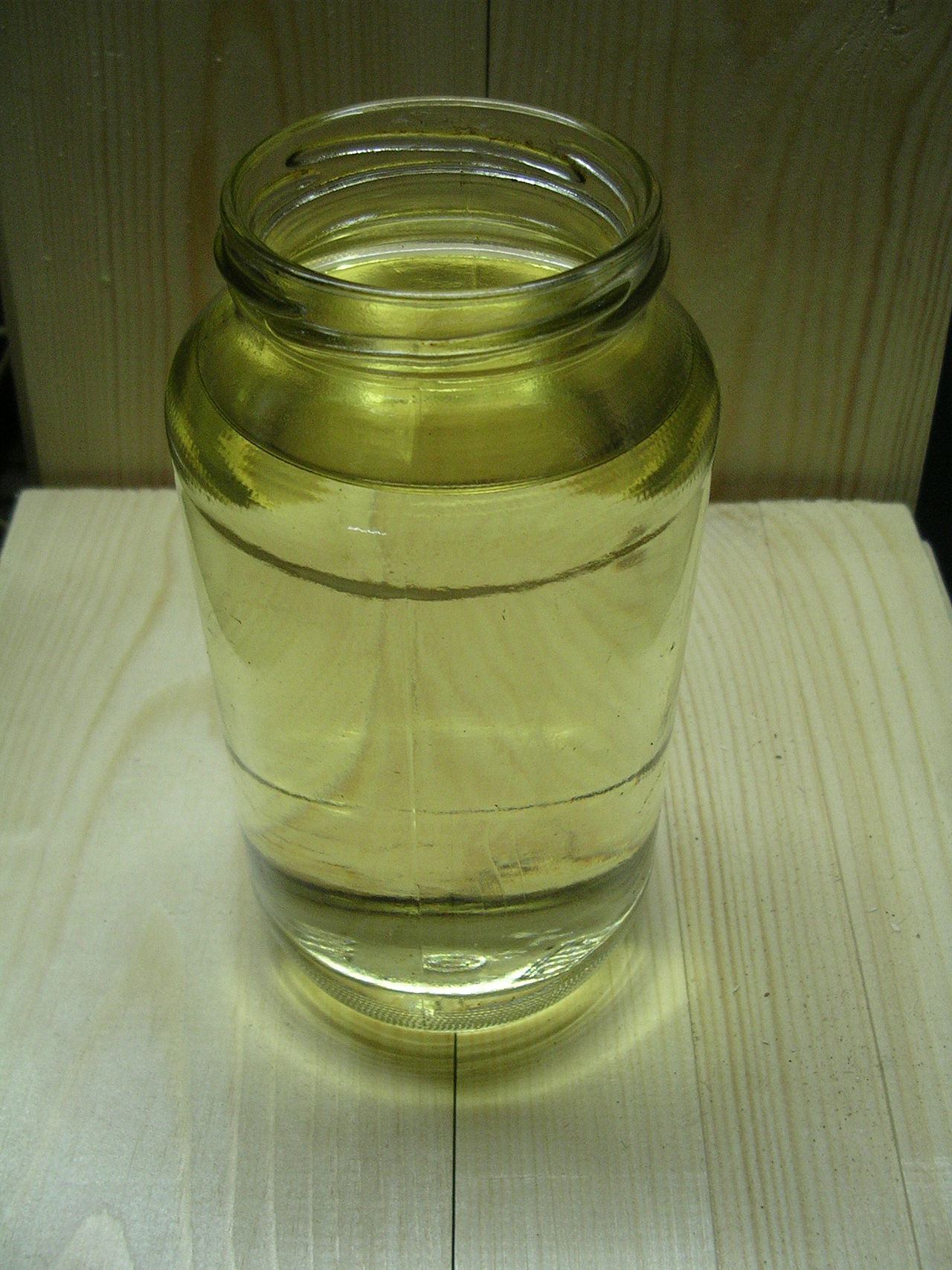

Common types and characteristics
- Fossil fuels: coal, oil and natural gas formed from ancient organic matter; they are energy-dense and widely used in transport, industry and power generation. Fossil fuels dominate many modern energy systems but are associated with greenhouse gas emissions.
- Biomass and biofuels: plant- or animal-derived materials (wood, ethanol, biodiesel) that can be burned or refined to substitute for petroleum products.
- Hydrogen and synthetic fuels: energy carriers produced from other primary energy sources; hydrogen burns cleanly but requires production and storage infrastructure.
- Nuclear fuel: isotopes such as uranium that release energy through fission; they produce large amounts of heat without combustion but raise issues of radioactive waste and safety.
- Electricity as an energy vector: while not a fuel in the chemical sense, electricity conveys energy produced from fuels or renewables and is increasingly used directly in transport and heating.
Key properties
Important fuel characteristics include energy density (how much energy per unit mass or volume), ease of transport and storage, ignition properties, and pollutant emissions when used. The choice of fuel reflects trade-offs between cost, availability, convenience, efficiency, and environmental or regulatory constraints.
History and development
Human use of fuels began with wood and other biomass for warmth and cooking. The industrial era brought a major shift to coal and later oil and natural gas, enabling mechanized transport and electricity grids. During the 20th and 21st centuries, attention has grown on diversifying fuel supplies, improving efficiency, and reducing the environmental footprint through renewables, biofuels and low-carbon technologies.
Uses and examples
- Residential heating and cooking commonly use natural gas, electricity, or biomass.
- Transport relies heavily on liquid fuels (gasoline, diesel) though electric and hydrogen vehicles are expanding.
- Industrial processes use a mix of fuels for high-temperature heat and feedstock in chemical manufacturing.
- Power plants convert fuels into large-scale electricity, using combustion, steam turbines, or nuclear reactors.
Environmental and safety considerations
Burning many fuels produces air pollutants and greenhouse gases; waste management and accident risk are major concerns for nuclear and some chemical fuels. Shifting fuel systems toward lower-emission sources, improving combustion efficiency, and deploying carbon management measures are widely discussed strategies to reduce impacts.
Distinctions worth noting: a primary fuel is naturally occurring or directly harvested, while a secondary fuel or energy carrier (for example hydrogen or electricity) is produced from primary fuels. Understanding these distinctions helps clarify energy policy choices and technology pathways for a more sustainable energy system.
For further technical details and standards, consult specialized sources on fuel classification, combustion chemistry, and energy conversion technologies via authoritative databases and technical references: definition resources, energy overviews, and sector guides linked in research portals (combustion fundamentals, nuclear fuel cycle, fossil fuel impacts).
Questions and answers
Q: What is a fuel?
A: A fuel is a substance that is altered to produce heat, electricity, or other forms of energy.
Q: How is energy produced from fuel?
A: Energy is produced from fuel by burning it, although nuclear fuel is an exception.
Q: What are the two main types of fuel?
A: The two main types of fuel are fossil fuels and other fuels.
Q: Can you provide examples of fossil fuels?
A: Sure, fossil fuels include coal, oil, and natural gas.
Q: What is an example of "other fuels"?
A: Biofuels, hydrogen, and propane are examples of "other fuels."
Q: What is nuclear fuel?
A: Nuclear fuel is a type of fuel that releases energy through a process called nuclear fission.
Q: Why is it essential to have fuels?
A: Fuels are essential because they are the primary source of energy to power machines and vehicles that we use daily.
Related articles
Author
AlegsaOnline.com Fuel: types, uses, history, and environmental impacts Leandro Alegsa
URL: https://en.alegsaonline.com/art/36898