
Tar: production, properties, uses, and risks
Tar is a dark, viscous organic residue formed by heating organic matter. This article explains its origins, composition, production methods, common uses, and health and environmental concerns.
Overview
Tar is a dark, viscous mixture of organic compounds produced when carbon-rich materials are heated in the absence, or near absence, of air. It appears naturally in some petroleum seeps and bituminous deposits and is produced industrially by the thermal decomposition (pyrolysis) of coal, wood, peat or petroleum. Depending on origin and processing, the physical appearance and chemical composition of tar can vary from a pourable liquid to a brittle, semi-solid residue.
Image gallery
5 Images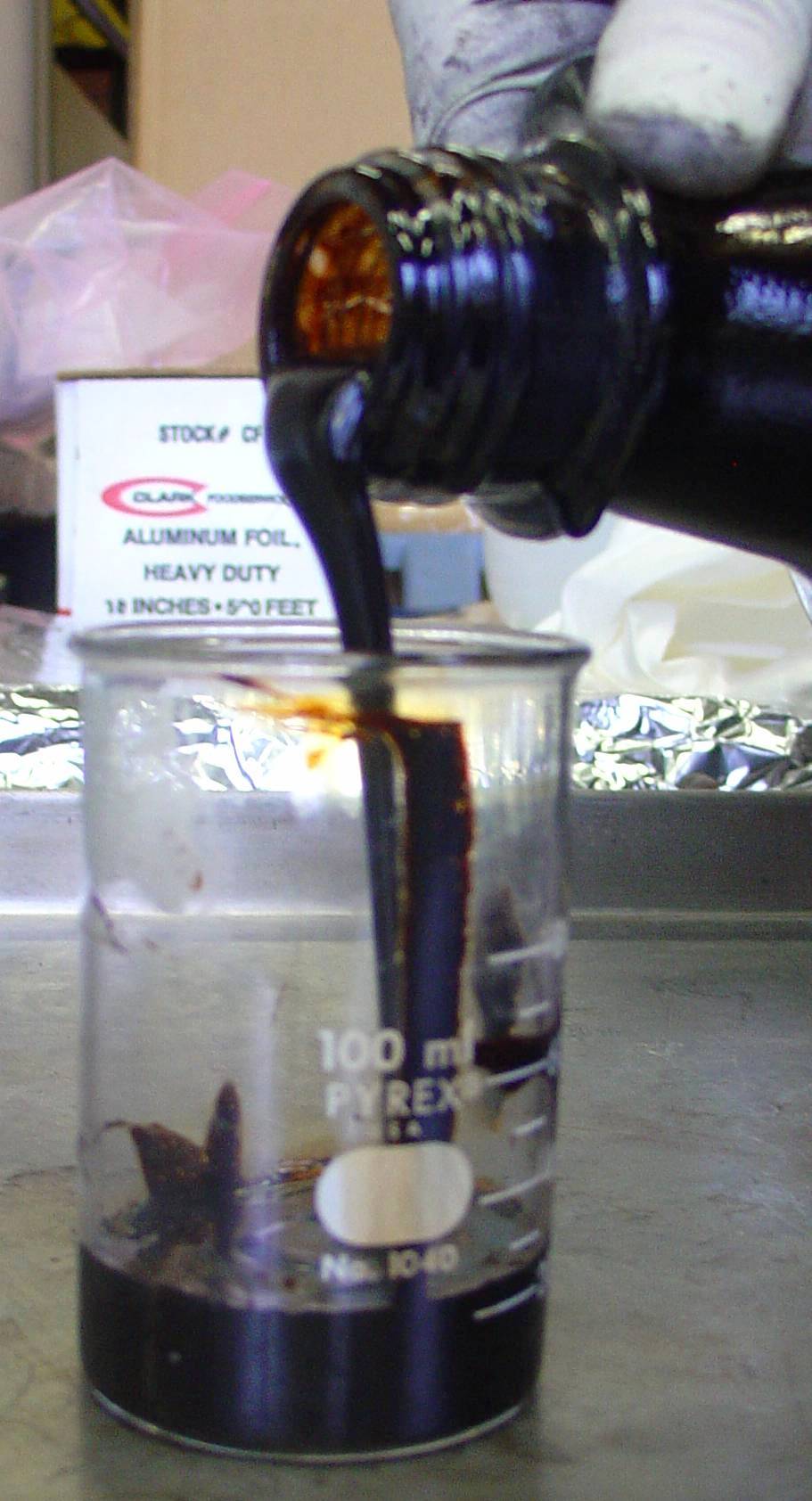


Composition
The composition of tar depends on its feedstock. Coal tar contains a range of aromatic compounds such as phenols, cresols and a class of compounds called polycyclic aromatic hydrocarbons (PAHs). Wood tar and pine tar are richer in resinous and terpene-derived compounds. Petroleum-derived products that are colloquially called "tar"—for example, asphalt or bitumen—are dominated by heavy hydrocarbons and asphaltenes and differ chemically from coal-derived tar. Complex mixtures and contaminants give tar its characteristic color, odor and reactivity.
Production methods
Historically and today, tar has been produced by several processes. Destructive distillation (dry distillation) heats organic material so volatile compounds vaporize and then condense as tar and other liquids. Coal-carbonization in coke or gas works produces coal tar as a byproduct. Wood tar is obtained from low-oxygen carbonization of wood in pits or kilns, while modern petroleum refining produces bitumen or asphalt fractions from crude oil. Each method yields different fractions that are separated and refined for specific uses.
Traditional techniques: tar kilns and pits
Traditional production of wood tar used simple earth kilns, pits or stacked-wood ovens. Wood was cut into small billets, tightly stacked and covered with earth or turf to limit oxygen. A controlled fire at the surface slowly heated the pile so condensable volatiles collected and flowed out through an outlet. This method was practiced in many regions, including Scandinavia, to produce pine tar for waterproofing ropes, hulls and wooden structures.
Uses and applications
- Waterproofing and sealing: historically important for sealing wooden ships, ropes and roofs.
- Construction and paving: coal tar pitch and petroleum-derived bitumen have been used as binders for roads and roofing.
- Industrial feedstocks: certain tar fractions are precursors for dyes, creosotes, carbon materials and specialty chemicals.
- Medicinal and consumer products: dilute preparations of coal or wood tar are used in dermatology for conditions like psoriasis and scalp disorders under medical guidance.
- Scientific interest: natural tar seeps have preserved biological remains and are studied in paleontology and geology.
Health and environmental concerns
Tar can contain hazardous constituents, notably PAHs and volatile aromatics, some of which are known or suspected carcinogens. Occupational exposure in manufacturing and heavy use of coal-tar products have been associated with increased health risks in specific contexts. Environmentally, tar and coal-tar-based sealants or spills can contaminate soil and waterways, prompting regulatory restrictions or replacement by less hazardous alternatives in many jurisdictions.
Distinctions, terminology and substitutes
Terminology around tar, pitch and bitumen can be confusing. Tar often denotes the condensable liquid from pyrolysis, while pitch is a heavier, more solid residue. Bitumen or asphalt typically refers to petroleum-derived binding materials used in modern road construction. Because of health and environmental concerns, many applications that once relied on coal tar now use refined petroleum products, synthetic binders or engineered substitutes.
Handling, regulation and modern trends
Modern handling of tar involves containment, controlled processing and treatment to reduce emissions and occupational exposure. Regulations govern the manufacture, sale and use of coal-tar-based products in several countries or regions. Research and industry practice increasingly emphasize safer formulations, improved emission controls and alternatives for consumer and construction uses.
Further reading and references
- General overview of tar and its forms
- Chemical composition and analytical methods
- Industrial production and pyrolysis processes
- Coal tar byproducts and historic gasworks
- Uses of pitch and coke-related materials
- Petroleum-derived bitumen versus coal tar
- Peat and other alternative tar sources
- Wood tar, pine tar and traditional kilns
- Health risks of aromatic hydrocarbons
- Historical use of tar in Scandinavia and beyond
For specific industrial practices, safety guidance and jurisdictional regulations, consult technical standards and governmental resources. When tar or tar-containing materials are present on a site, professional assessment and controlled remediation are recommended to limit exposure and environmental impact.
Questions and answers
Q: What is tar?
A: Tar is a sticky black liquid made of thick oil. It is a natural substance that can be produced from coal, petroleum, peat or wood.
Q: How is tar usually produced?
A: Tar is usually produced by heating coal inside a chemical apparatus.
Q: What other products are created when producing tar from coal?
A: When producing tar from coal, other products such as coke, liquor ammonia, and coal gas are also created.
Q: Is tar considered toxic?
A: Yes, tar made from coal or petroleum is considered toxic due to its high benzene content. However, in low concentrations it can be used as a medicine on the skin.
Q: What are tar kilns?
A: Tar kilns are dry distillation ovens used in Scandinavia for producing tar from wood. They consist of limestone or primitive holes in the ground with an outlet hole at the bottom to allow the tar to come out.
Q: How do you use a tar kiln?
A: Wood must be split into pieces about the size of a finger and stacked densely before being covered tightly with dirt and moss to prevent air entering. A fire must then be lit on top of this stack and left for several hours until the tar starts pouring out which will continue for several days afterwards.
Related articles
Author
AlegsaOnline.com Tar: production, properties, uses, and risks Leandro Alegsa
URL: https://en.alegsaonline.com/art/96353
Sources
- geotimes.org : "Geotimes - February 2005 - Mummy tar in ancient Egypt"
- prices-candles.co.uk : Details history and uses of "Rangoon Tar"