
Oil refinery (petroleum refinery)
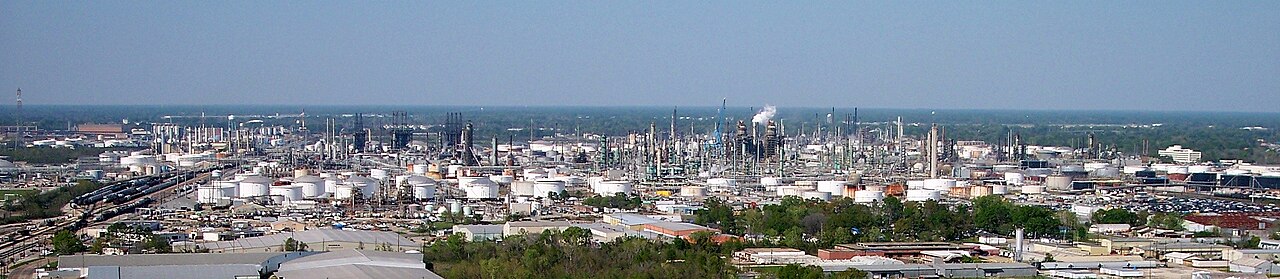
An oil refinery is an industrial complex that converts crude oil into fuels and chemical feedstocks through distillation and refining processes, producing gasoline, diesel, kerosene, asphalt and other products.
Overview
An oil refinery, or petroleum refinery, is an industrial plant that transforms crude oil into a range of useful petroleum products. Refineries separate, convert and treat hydrocarbon mixtures so they can be used as fuels, lubricants, raw materials for chemistry, or construction materials. The operations combine physical separation with chemical reactions to change composition, volatility and impurity levels.
Image gallery
10 Images




Main processes and units
The foundation of refining is fractional distillation, which splits crude oil into fractions by boiling point. That step is followed by catalytic cracking, reforming, hydrotreating and blending, commonly summarized as other processes that upgrade heavy fractions and remove contaminants. Typical processing units include:
- Atmospheric and vacuum distillation columns — initial separation of crude blends.
- Catalytic crackers and hydrocrackers — break larger molecules into lighter fuels.
- Hydrotreaters — remove sulfur, nitrogen and metals to meet product specifications.
- Reformers and isomerization units — improve octane and produce petrochemical feedstocks.
- Blending and storage — create finished fuels with required performance and emissions profiles.
Common products and uses
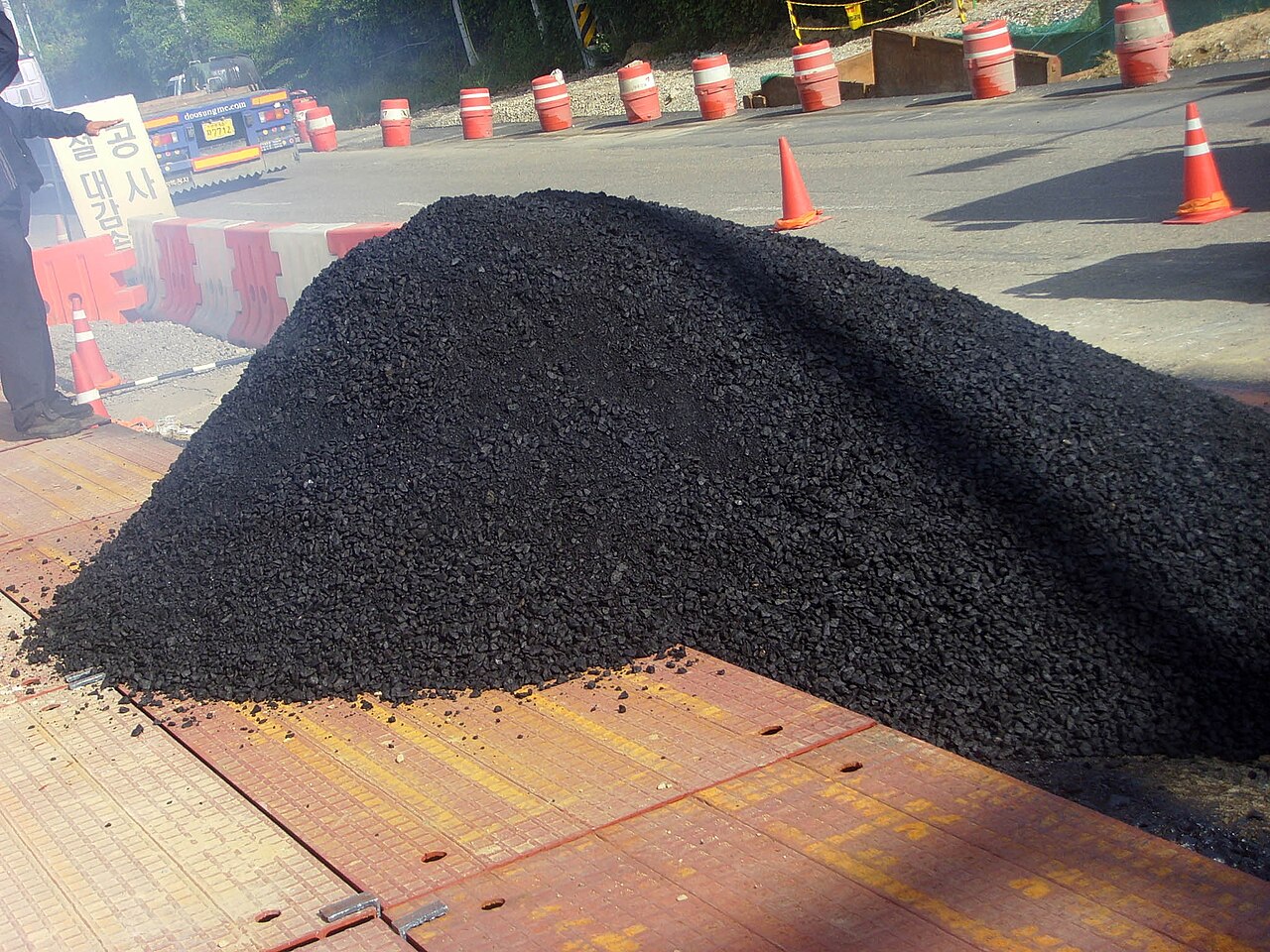
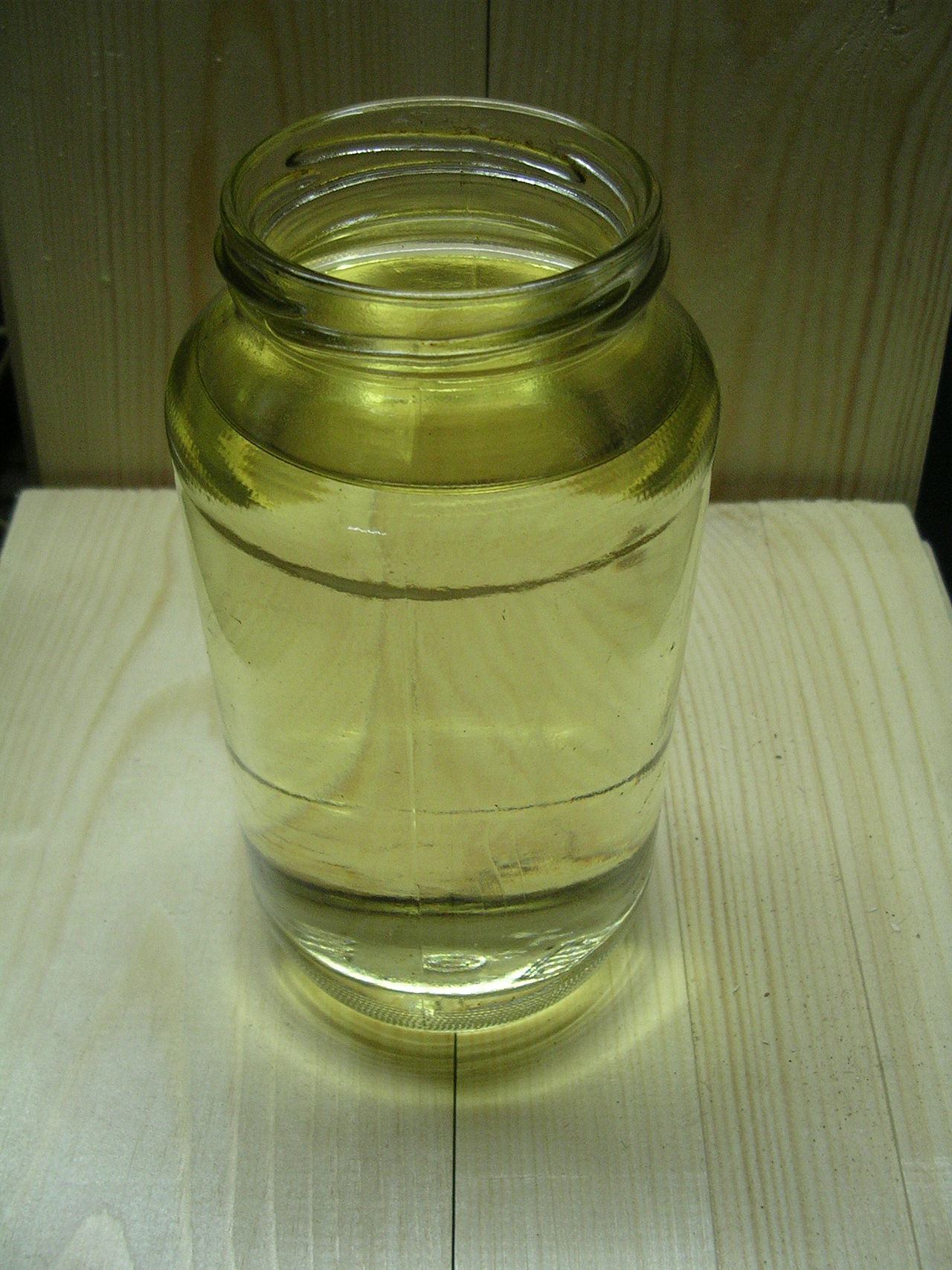
Refineries produce a slate of commercial products with broad economic roles. These include gasoline for road vehicles, diesel fuel for trucks and industry, kerosene for aviation and heating, and liquefied petroleum gas for cooking and feedstock. Heavy residues become asphalt base for paving and roofing, while intermediate streams supply petrochemical plants or are processed into heating oil and marine fuels.
History and development
Large-scale refining grew with the internal-combustion engine in the late 19th and early 20th centuries. Early refineries focused on kerosene for lighting; later demand for motor fuels drove innovations like catalytic cracking and fluid catalytic processes. Over time, refineries became more complex to produce cleaner fuels and to extract higher-value chemicals from crude blends.
Environmental, safety and economic considerations
Refining is energy-intensive and regulated for air and water emissions, sulfur content, and waste handling. Modern plants incorporate emissions controls, hydrodesulfurization and wastewater treatment. Safety is central: refineries manage flammable hydrocarbons, high temperatures and pressures, requiring rigorous process controls and emergency response plans. Economically, refinery output and configuration respond to crude types, local fuel demand and regulatory limits.
Notable facts and distinctions
Refineries differ by complexity (simple topping units versus complex conversion and coking facilities) and by feedstock (light sweet crudes vs. heavy sour crudes). Some refineries are integrated with petrochemical complexes to maximize value. For technical details, operational case studies and regional data, see industry resources: overview, product lists, distillation, process technologies, and product-specific pages for gasoline, diesel, asphalt, heating oil, kerosene and liquefied petroleum gas.
Related articles
Author
AlegsaOnline.com Oil refinery (petroleum refinery) Leandro Alegsa
URL: https://en.alegsaonline.com/art/72147