
Petrochemical: Definition, Feedstocks, Processes and Uses
Petrochemicals are industrial chemicals derived from petroleum, natural gas or other hydrocarbons used to make plastics, solvents, synthetic fibres, detergents, pharmaceuticals and many consumer goods.
A petrochemical is a chemical product made from fossil hydrocarbon feedstocks rather than directly from ores or plant biomass. The principal raw inputs for petrochemical manufacture are crude petroleum, natural gas and other hydrocarbons. These feedstocks are separated and converted in refineries and chemical plants into basic building blocks and intermediates used across many industrial supply chains.
Image gallery
7 Images



Feedstocks and primary chemicals
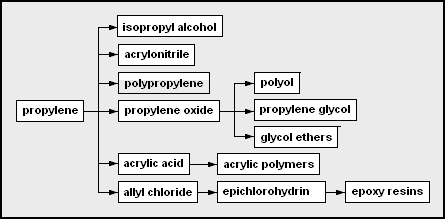
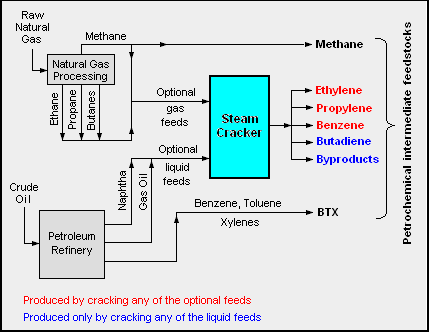
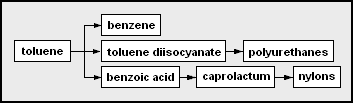
Light fractions of crude oil and components of natural gas are the usual starting points. Processes such as steam cracking and catalytic reforming convert methane, ethane, propane, butane and naphtha into two broad families of primary petrochemicals: olefins (for example ethylene and propylene) and aromatics (for example benzene, toluene and xylenes). These simple molecules are the precursors for thousands of downstream products.
Processes and product categories
Industrial conversion technologies include cracking (thermal and catalytic), reforming, alkylation, separation by distillation and extraction, and polymerization to build large molecules. Petrochemical outputs are commonly classified as basic chemicals (raw monomers and solvents), intermediates (processed monomers and functional chemicals) and specialty chemicals (additives, fine chemicals and performance materials). Integration between refineries and petrochemical units helps to use by-products efficiently and reduce costs.
Major products and uses
Derivatives of primary petrochemicals appear across consumer and industrial applications. Common examples include:
- Alcohols (used as solvents, intermediates and fuel additives)
- Antiseptics and medical solvents
- Artificial rubber for tyres, seals and elastic goods
- Detergents and surfactants for cleaning products
- Drugs and pharmaceutical intermediates
- Food additives and packaging materials
- Plastics, synthetic fibres, paints, adhesives, perfumes and industrial chemicals
Industry structure and importance
The petrochemical industry grew rapidly in the 20th century and remains a central part of modern manufacturing. Major production hubs are often sited where feedstocks are abundant or where large refining complexes exist. The sector supplies essential inputs to automotive, construction, healthcare, electronics, agriculture and consumer goods industries, making petrochemicals integral to contemporary economies.
Environmental, safety and economic considerations
Because most petrochemicals are derived from nonrenewable fossil resources, the industry faces environmental challenges including greenhouse gas emissions, process effluents and plastic waste. Safety issues include flammability of feedstocks, toxic intermediates and the need for careful waste management. Responses include improved process efficiency, greater recycling, development of bio‑based alternatives and regulatory controls to reduce emissions and manage risks.
Outlook and alternatives
Research into circular‑economy approaches, chemical recycling, biobased feedstocks and lower‑emission manufacturing aims to reduce the sector's environmental footprint while preserving its role in supplying essential materials. Transition pathways will vary by region and by product, and will involve technological, economic and policy changes.
Further reading: consult technical reviews and industry summaries for detailed production routes, market trends and regulatory frameworks relevant to petrochemical manufacture and use.
Related articles
Author
AlegsaOnline.com Petrochemical: Definition, Feedstocks, Processes and Uses Leandro Alegsa
URL: https://en.alegsaonline.com/art/76224