
Pewter (tin-based alloy)
Pewter is a low-melting tin alloy traditionally used for tableware and decorative objects. Modern pewter is typically lead-free and hardened with antimony and copper for strength and durability.
Pewter is a malleable metal alloy chiefly composed of tin. Historically prized for its ease of casting and finishing, pewter has been used for centuries to make household items, ornaments and small works of art. The term is often applied to a group of related alloys rather than a single fixed formula; in simpler terms, it is a type of alloy defined by tin as its principal metal.
Image gallery
5 Images


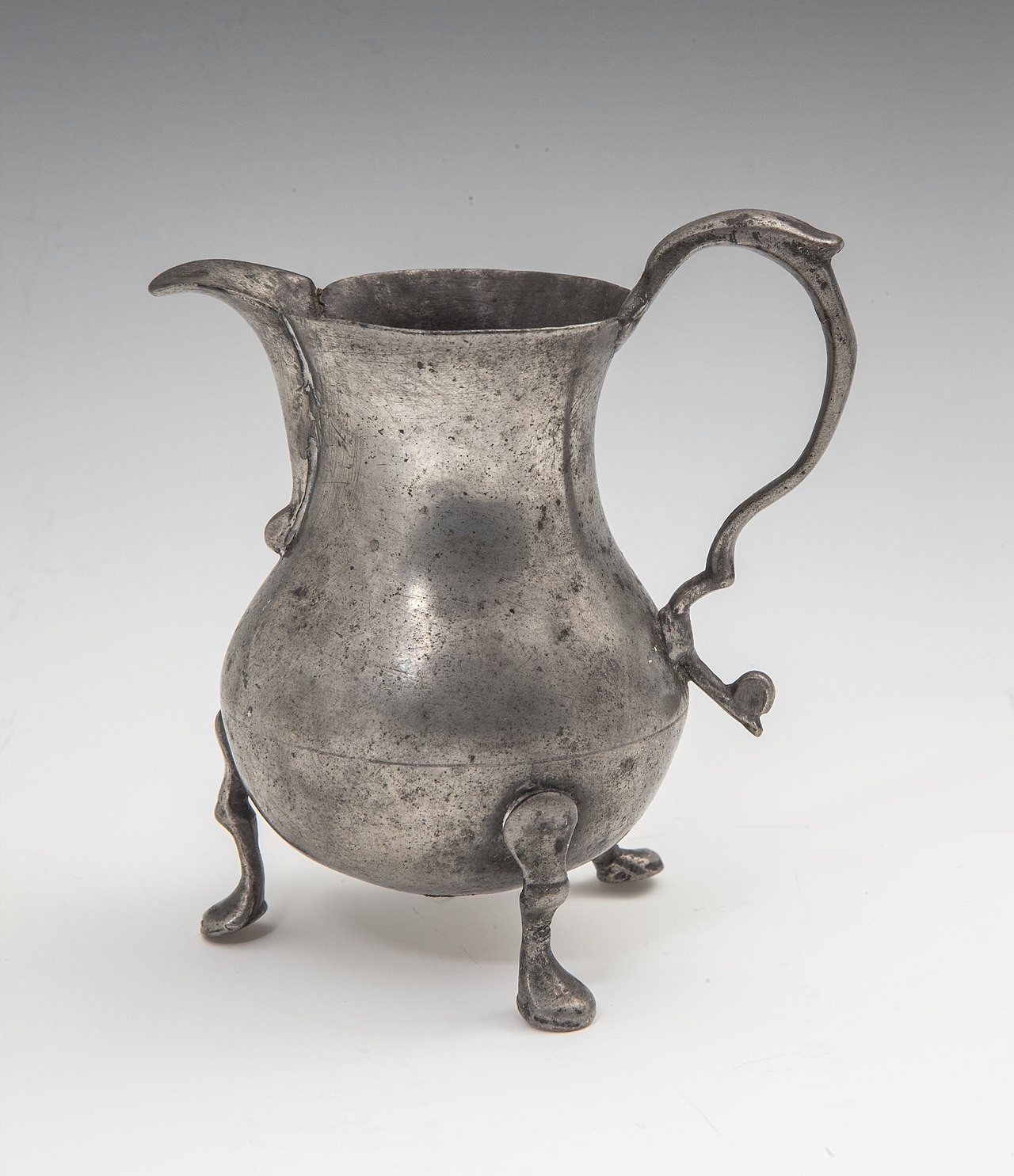

Composition and physical properties
Modern pewter is dominated by tin with modest additions of harder metals to improve durability. Manufacturers commonly add small amounts of tin-compatible elements such as antimony and copper to reduce softness and increase resistance to deformation. Because of its tin-rich nature, pewter has a relatively low melting range compared with steel or bronze, is non-magnetic, and has a dull silvery-gray appearance that patinates rather than rusts.
Chemistry and corrosion
Pewter’s behavior in acids reflects the chemistry of its components. For example, tin dissolves in dilute hydrochloric acid to form soluble tin(II) species such as tin(II) chloride, while other alloying metals are often less soluble and may remain as residues. Direct chemical exposure and prolonged contact with acidic foods or harsh cleaners can damage traditional or antique pewter.
History and development
Pewter has a long history reaching back to antiquity and the Middle Ages, when it was a common material for plates, tankards and cutlery. Historically, some pewter alloys included lead to lower cost and ease casting, but the health risks associated with ingesting lead became clear over time. Modern hobbyists and manufacturers avoid lead in pewter used for tableware or jewelry because lead is poisonous and was once deliberately added as lead metal in older recipes.
Uses and examples
Pewter remains popular for decorative arts, costume jewelry, collectible figurines, and reproduction historic items. Because it is easy to melt and recast, it is favored by artisans for small castings and handwork. Typical uses include candlesticks, picture frames, badges, and novelty items; pewter is also used for components in musical instruments and model making where a soft, workable metal is desirable.
Practical considerations and distinctions
- Care: Pewter can be polished but will develop a muted patina; abrasive cleaners should be used cautiously.
- Modern vs. historical: Contemporary pewter is usually lead-free and alloyed for strength, whereas older pieces may contain lead and require careful handling.
- Variability: Because there is no single standardized pewter recipe, composition and properties vary between producers and historical periods.
Pewter continues to bridge craft and utility: it is accessible for small-scale casting and repair, historically significant in domestic life, and valued today for its appearance and ease of working by silversmiths and hobbyists alike. For more technical details on alloy standards and care recommendations, consult specialized metallurgy sources or conservation guides available through reference collections and craft associations.
Hydrochloric acid and other reagents are sometimes mentioned in analytical descriptions of pewter, and readers should approach chemical testing only with appropriate training; laboratory methods and safety guidance are covered in technical literature and institutional protocols (see alloy references).
Further reading and purchasing information can be found via craft organizations and metallurgical references (tin sources, antimony information, copper references), and conservation advice is available from museum specialists who handle historic pewter items.
For additional introductory material, explore overview pages and practical guides (health notes, lead history) or technical datasheets (tin(II) chloride chemistry, acid handling).
Related articles
Author
AlegsaOnline.com Pewter (tin-based alloy) Leandro Alegsa
URL: https://en.alegsaonline.com/art/76268