
Optics: The Science and Technology of Light
Overview of optics: basic principles, key phenomena, historical development, common devices and modern applications including fibers and imaging technologies.
Optics is the branch of natural science that studies how light behaves, how it is produced and detected, and how it interacts with matter. By treating light as electromagnetic radiation that can travel as waves or, in some contexts, as particles, optics explains many everyday and technical phenomena. Basic questions in the field address why rainbows form, how images appear in mirrors, and how refraction changes the apparent position of objects seen through glass or water.
Image gallery
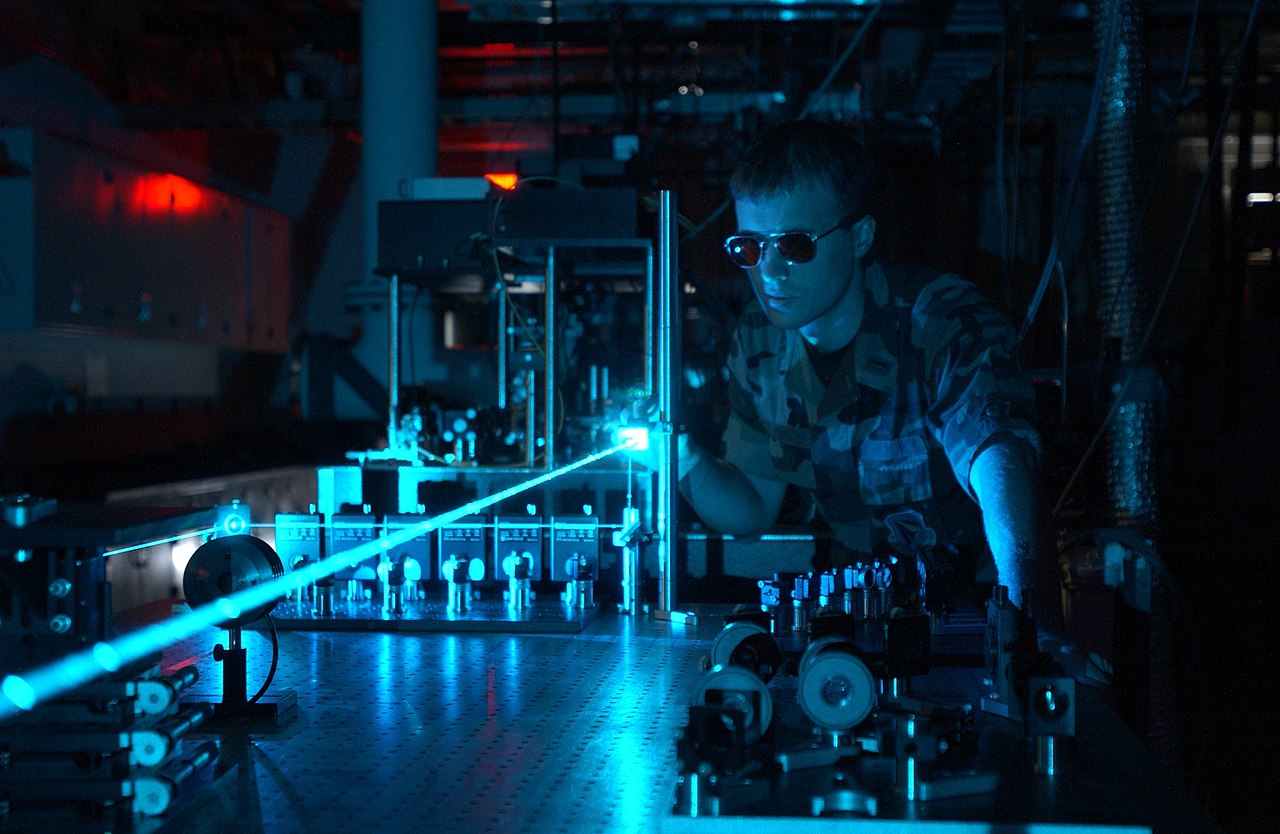
10 Images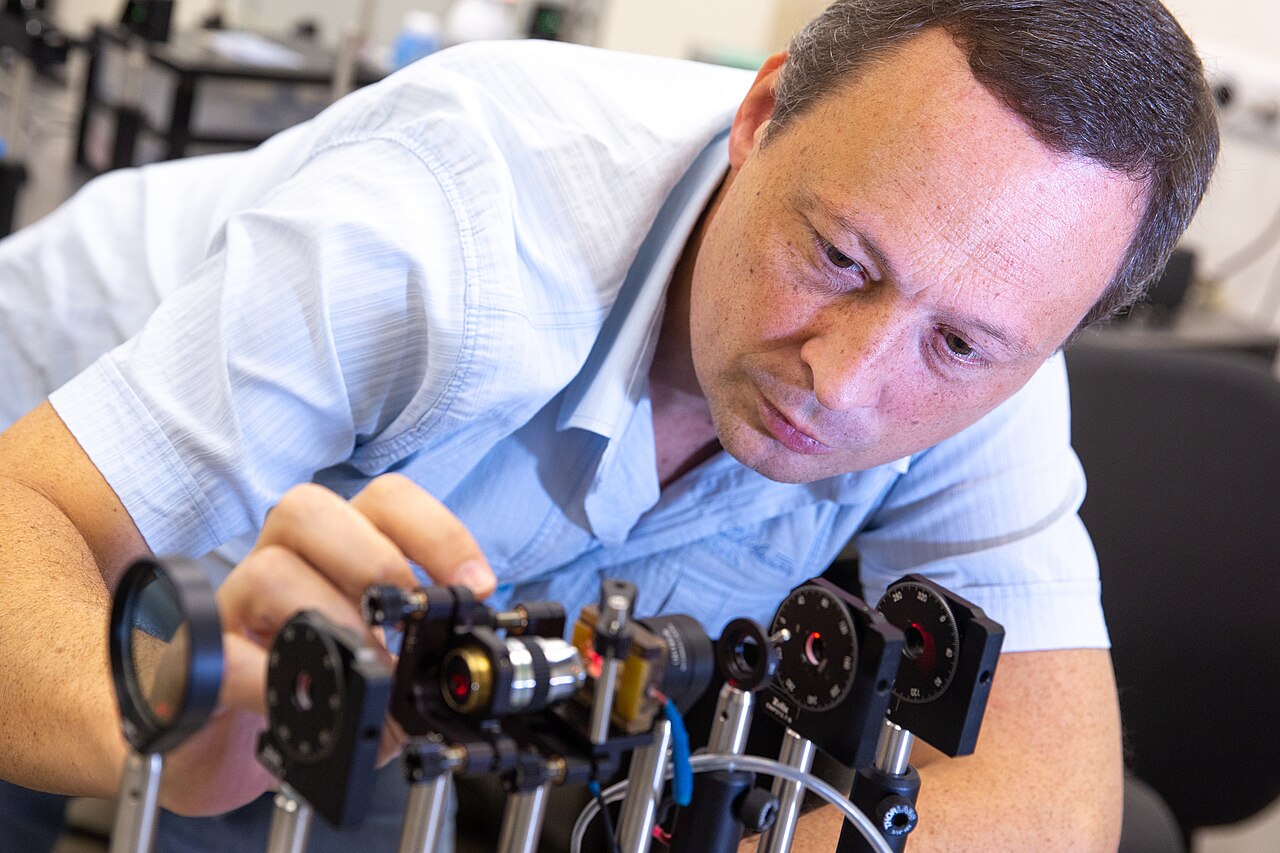






Fundamental concepts
One central idea is that white light can be separated into different wavelengths that make up a visible spectrum. This visible portion is commonly remembered by its constituent colors: red, orange, yellow, green, blue, indigo, and violet. Optics also treats light beyond visible wavelengths as part of the broader electromagnetic spectrum, including ultraviolet and infrared, which are important in science and industry.
Phenomena and components
Classic optical effects include reflection, refraction, diffraction and interference. Simple components studied and used in optics are lenses that focus or diverge light, mirrors that redirect it, and prisms that separate wavelengths. These elements underpin many instruments and experiments. Historically, scientists developed theories and practical designs that turned optical principles into reliable tools.
The subject lies at the intersection of pure science and applied engineering, and this dual nature has driven sustained innovation. For centuries, lenses enabled better vision through eyeglasses and higher-resolution observation in devices such as cameras, telescopes, and microscopes. Each of these applications manipulates light to form images that are larger, smaller, or clearer than the unaided eye would produce.
Applications and modern developments
- Imaging and measurement: photographic and scientific cameras, medical endoscopes, and high-resolution microscopes employ optical design and precise lenses.
- Communication: light guided through optical fiber carries signals over long distances, forming the backbone of modern telecommunications and parts of the Internet.
- Everyday devices: corrective glasses and contact lenses improve vision, while mirrors and prisms are ubiquitous in instruments and safety equipment.
Contemporary optical research explores fields such as photonics, laser physics and quantum optics. Progress has enabled miniaturized components, high-speed data transmission in fibers, and novel imaging techniques. Advances often come from collaborations between experimentalists and theoreticians, and from translating insights from laboratory scientists into practical engineering systems.
Notable distinctions within optics include geometric optics, which treats light as rays for lens and mirror design; wave optics, which explains interference and diffraction; and quantum optics, which addresses the particle-like properties of light at very small scales. As both a fundamental scientific discipline and a field of technological development, optics continues to shape how we observe, communicate, and manipulate the world around us.
For introductory material on specific topics such as the visible spectrum, color components like red to violet, the behavior of light in glass and water, or the construction of devices such as cameras and telescopes, consult standard references or educational resources represented here: general overview, engineering perspectives, and technical pages from research institutions and manufacturers represented by portals such as optical fiber technology hubs.
Related articles
Author
AlegsaOnline.com Optics: The Science and Technology of Light Leandro Alegsa
URL: https://en.alegsaonline.com/art/72893