
Engineering: Principles, branches, history, and applications
An accessible overview of engineering: its core principles, major branches, history, educational pathways, and how engineers design, build, and solve technical problems across industries.
Engineering is the disciplined application of science and mathematics to conceive, design, analyze, and produce structures, systems, machines, and processes. People who practice engineering are called engineers, and many receive formal training at a college or university. While design and construction are central activities, engineering also includes testing, maintenance, optimization, and the continuous improvement of technical solutions.
Image gallery
10 Images
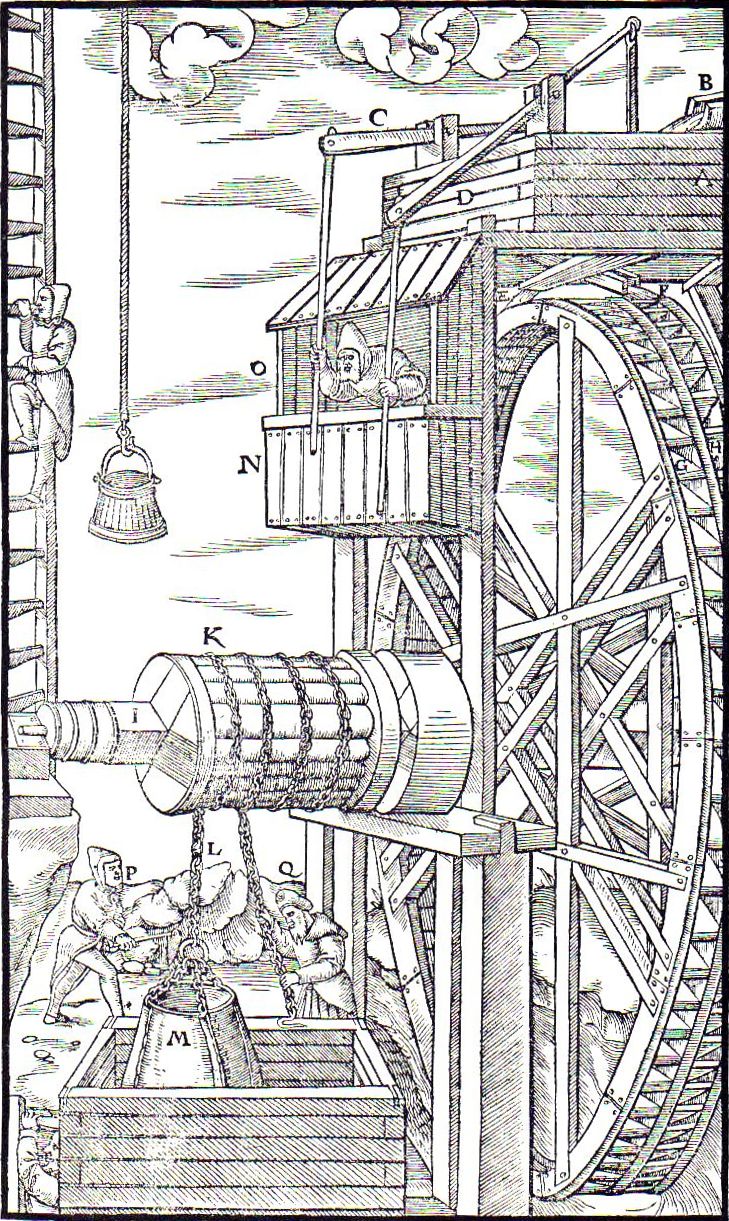
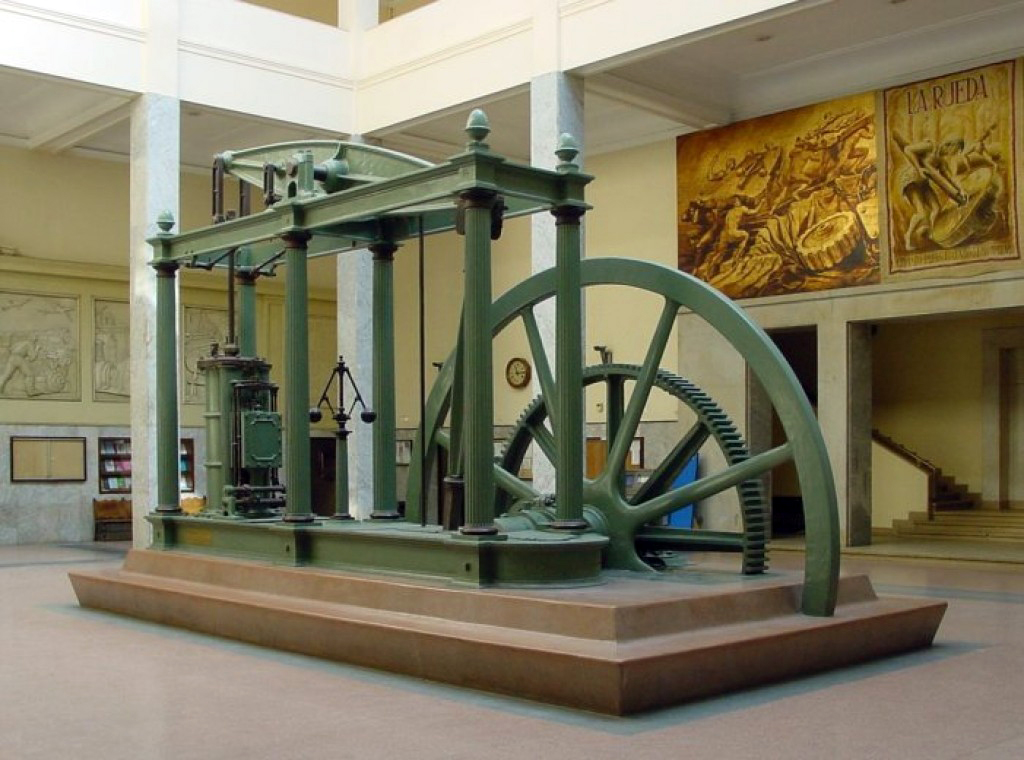


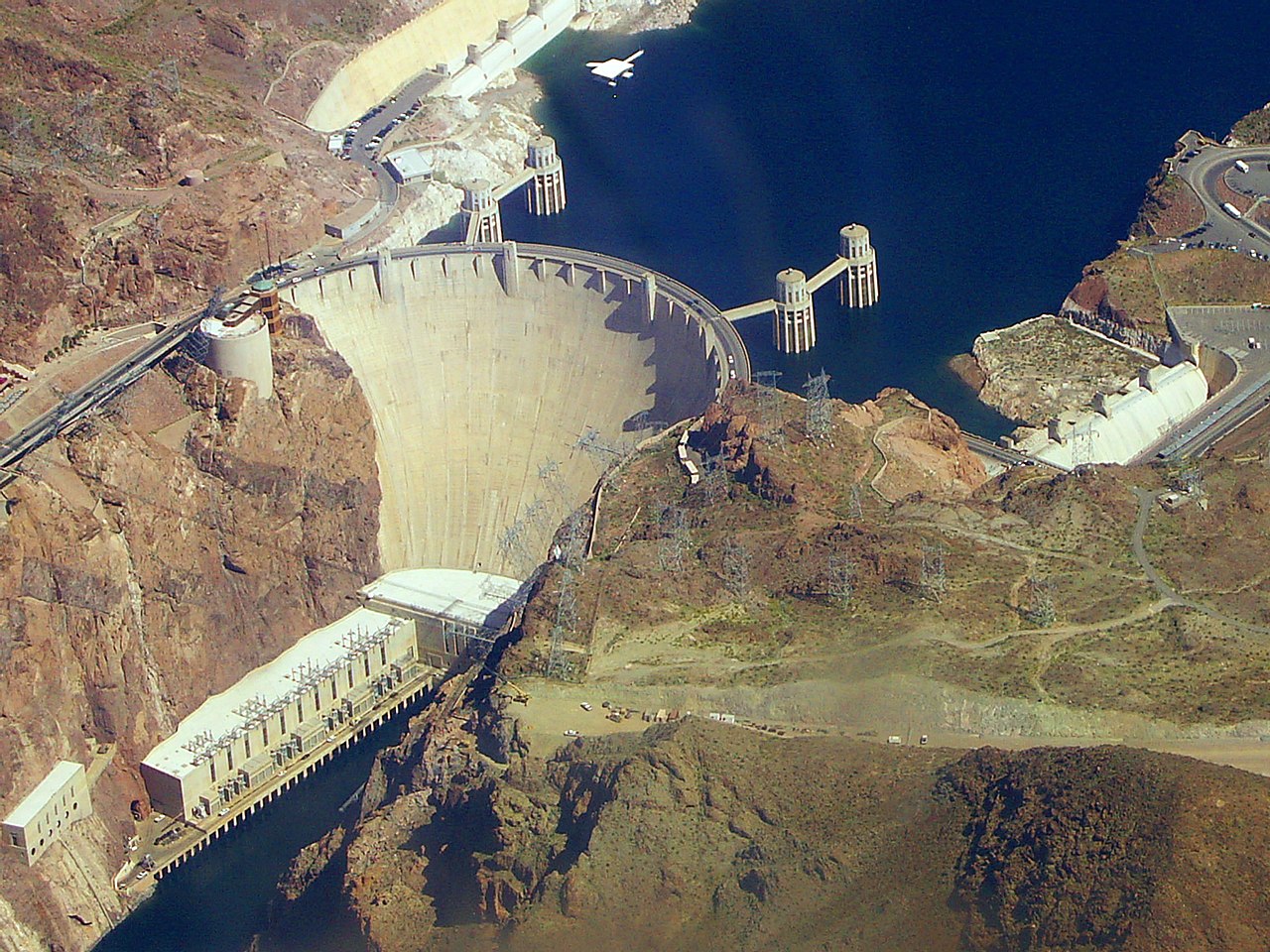



Core principles and activities
At its core, engineering turns scientific knowledge into practical outcomes. Typical activities include problem definition, modeling, materials selection, prototyping, and verification. Engineers rely on standards, metrics, and safety factors when they design components or systems. They also draw on interdisciplinary methods and tools such as simulation, control theory, and project management.
Branches and roles
Engineering subdivides into many branches that focus on different physical domains or tasks. Common categories include:
- Mechanical, dealing with forces, motion, and energy conversion.
- Civil and structural, focused on buildings, infrastructure, and geotechnics.
- Electrical and electronic, covering power, circuits, and communications.
- Software and systems, addressing algorithms, data, and user-facing products.
- Chemical and materials, working on processes, reactions, and new materials.
Across these areas, engineers apply technical skills and judgment to solve practical and often technical problems.
History and development
Engineering has ancient roots in activities such as irrigation, masonry, shipbuilding, and toolmaking. Over centuries it evolved from craft-based knowledge into a profession grounded in scientific methods and formal education. Industrialization, the rise of modern laboratories, and advances in mathematics and materials science expanded both the scope and impact of engineering.
Applications, impact, and distinctions
Engineers shape everyday life: they design bridges and energy systems, develop medical devices, create software and communications networks, and optimize manufacturing. Distinctive features of engineering work include attention to constraints (cost, safety, sustainability), iterative testing, and a responsibility to public welfare. Ethical practice, licensure in some regions, and multidisciplinary collaboration are notable aspects of the field.

Definition
The German Academy of Science and Engineering (Acatech) gives the following definition:
Technical sciences create cognitive prerequisites for innovation in technology and the application of technical knowledge and lay the foundations for reflection on their implications and consequences.
Whereby technology is defined as artificial, purposeful objects and processes possessing material as well as immaterial elements.
Disciplines
See also: List of engineering disciplines and Category:Engineering science
The engineering sciences form a group of numerous individual sciences. As with other scientific groups, there are many cross-references to other sciences. This concerns the numerous connections within the engineering sciences as well as transitions to other scientific groups.
Questions and answers
Q: What is engineering?
A: Engineering is the application of science and mathematics to design or make things.
Q: Who are engineers?
A: Engineers are people who apply their skills and knowledge to design or build things, or to solve technical problems.
Q: Where do engineers learn engineering?
A: Engineers learn engineering at a college or university.
Q: What do engineers usually design or build?
A: Engineers usually design or build things, ranging from computers and buildings to watches and websites.
Q: Are there different types of engineers?
A: Yes, there are different types of engineers that specialize in designing a variety of products and solutions.
Q: How long have people been creating engineering things?
A: People have been creating engineering things for thousands of years.
Q: Can engineers also use their skills to solve technical problems?
A: Yes, some engineers also use their skills to solve technical problems.
Related articles
Author
AlegsaOnline.com Engineering: Principles, branches, history, and applications Leandro Alegsa
URL: https://en.alegsaonline.com/art/31445
Sources
- niee.org : Principles of Ethical conduct in Engineering Practice Under The North American Free Trade Agreement